In Belgium, lighting is not merely a functional utility; it is a critical component of architectural preservation, urban identity, and aggressive carbon-reduction policies. Across historic cultural centers in Flanders and Wallonia, and within the sleek commercial offices of Brussels, lighting requirements have shifted. The European Union's Energy Performance of Buildings Directive (EPBD) enforces strict parameters on energy efficiency, requiring projects to deploy fixtures that achieve optimal lux levels while drastically minimizing systemic energy draw.
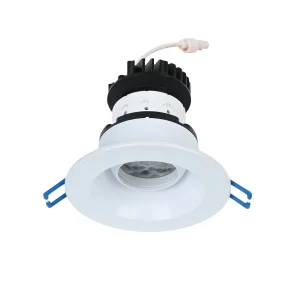
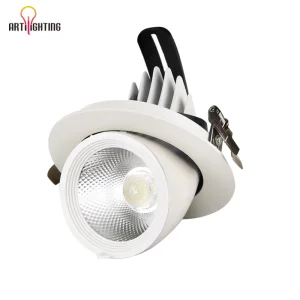
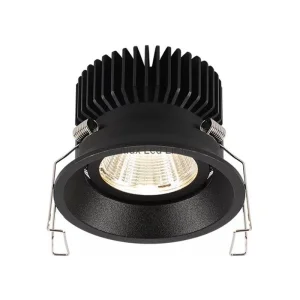
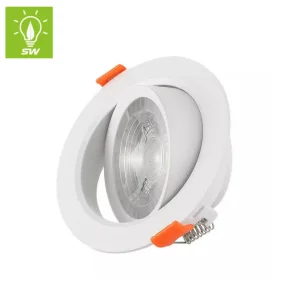
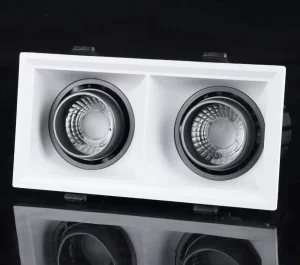
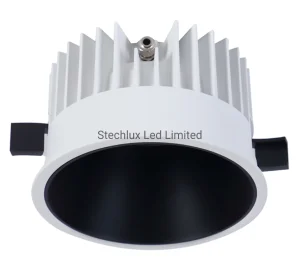
The modern Belgian specification landscape favors flexible lighting fixtures. Adjustable beam angle downlights have transitioned from niche artistic tools to baseline specification standards in luxury retail spaces, art galleries, high-end office lobbies, and public museums. This shift is driven by the dynamic nature of retail floor plans and gallery installations. By allowing designers to alter beam patterns manually or electronically, a single mechanical luminaire accommodates changing exhibits, product displays, or layout reconfigurations without necessitating rewiring or physical fixture replacement.
Preserving centuries-old ceilings in Bruges and Brussels requires minimal physical cutouts. Zoomable and variable-focus downlights provide multiple optical distributions from a single fixture size, avoiding invasive structural alterations.
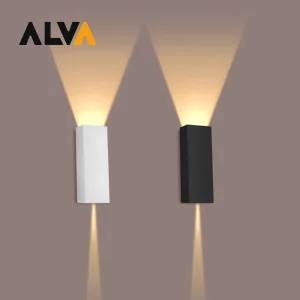
Belgian offices focus heavily on UGR (Unified Glare Rating). Precision mechanical adjustability limits light spill and keeps glares below UGR 19, maximizing visual comfort in open-plan corporate headquarters.
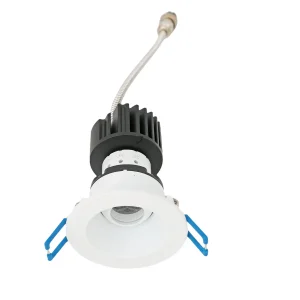
True adjustable beam angle downlights achieve variable beam spreads via the mechanical displacement of optical components. Moving a collimating PMMA lens relative to the chip-on-board (COB) light source shifts the focal point, focusing or dispersing light rays cleanly. High-end variants, such as CREE LED downlights, use precision-threaded internal helices. Users can twist the bezel to adjust beam spreads from narrow spotlights (e.g., 24 degrees) for high-intensity accentuation, to wide floodlights (e.g., 60 degrees) for ambient distribution.
Additionally, modern multi-CCT (Correlated Color Temperature) engines provide field-selectable color choices (ranging from 2700K ultra-warm to 5000K daylight). By combining adjustable optics with tunable color outputs, professional suppliers give distributors a single stock-keeping unit (SKU) that fits diverse architectural designs. This dynamic versatility reduces inventory overheads and streamlines project commissioning.
Our facility features a dedicated mold research and development center, housing injection molding, blister molding, and compression molding workshops. Controlling the tool design stage allows us to optimize raw material usage, iterate housing designs rapidly, and reduce unit costs while keeping build quality high.
Every batch of adjustable downlights undergoes testing within our in-house darkroom. Using integrating sphere spectrometers and IP waterproof testers, we verify color consistency, luminous efficacy, and moisture ingress protection to ensure product performance matches design spec.
Located 38 kilometers from Ningbo Port, our factory ships high-volume orders efficiently. By utilizing direct maritime routes to the Port of Antwerp-Bruges, we maintain a resilient global supply chain, minimize logistics costs, and keep transit times predictable for European distributors.
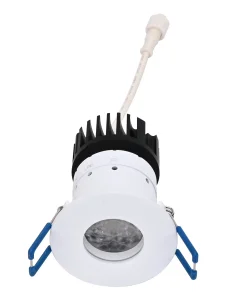
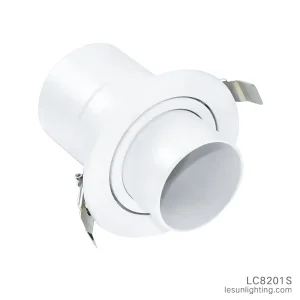
Lighting projects in Belgium require compliance with a range of technical safety codes. In historic sites like Ghent and Bruges, where medieval structures are repurposed into boutiques or museums, lighting systems must adapt to architectural constraints. Designers use mini adjustable beam downlights to illuminate display cases and retail focal points, highlighting intricate details without exposing exhibits to damaging levels of heat or UV radiation.
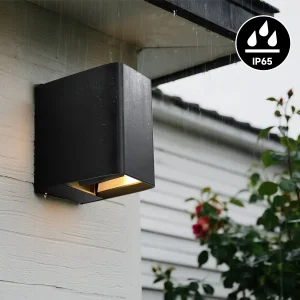
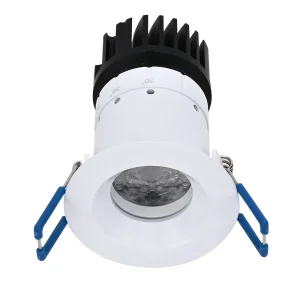
In public sectors, including municipal halls, hospitals, and transit hubs across Brussels, environmental moisture and dust present ongoing operational challenges. For these demanding settings, our IP65 and IP66 tri-proof lights and moisture-resistant adjustable recessed ceiling lamps are deployed. These fixtures provide reliable ingress protection in wet environments, including public facilities, food processing workshops, commercial kitchens, and underground parking facilities, ensuring consistent performance under variable conditions.
| Certification Type | Target Application Field | Strategic Project Importance |
|---|---|---|
| CE / RoHS / SAA | All Indoor & Outdoor Buildings | Essential for importing and operating commercial lighting across the EU. |
| TUV GS / EMC | Public Infrastructures & Corporate Spaces | Ensures electrical safety and low electromagnetic interference levels. |
| IP65 / IP66 Ratings | Pools, Tunnels, Outdoor Facades | Guarantees ingress protection against dust, moisture, and low-pressure jets. |
Adjustable beam downlights allow on-site tuning of light distributions, matching accent lighting to evolving store layouts or gallery exhibits. This adjustability limits light spill, helps control unified glare ratings (UGR), and aligns with energy-efficiency goals by focusing light only where required.
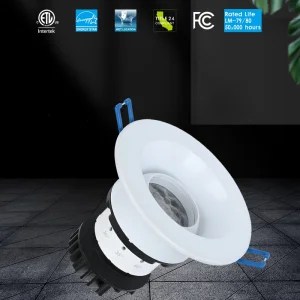
Yes. Our products are built to meet EU lighting standards and carry TUV GS, CE, RoHS, LVD, and EMC certifications. These approvals ensure safe, reliable integration into municipal, commercial, and residential projects across Belgium.
Our quality assurance system is ISO9001:2000 certified, supported by an in-house photometrics darkroom. For logistics, our facility is located 38 kilometers from Ningbo Port, allowing us to load containers and ship directly to Antwerp-Bruges or other international shipping hubs.
Yes, our engineering team manages tooling and product customization. Working from customer-supplied CAD drawings or physical samples, we design, prototype, and manufacture custom aluminum housings and optical arrays to meet specific project criteria.