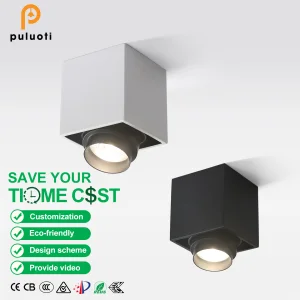
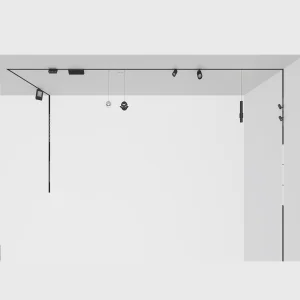
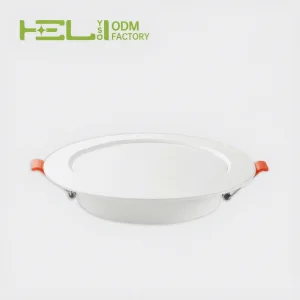
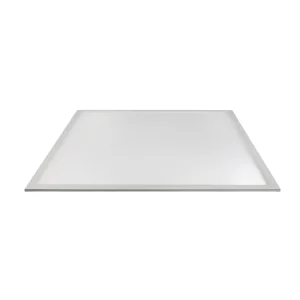
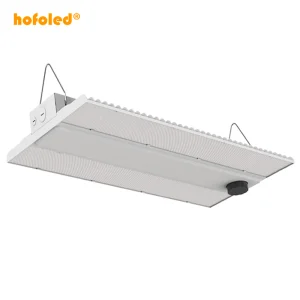
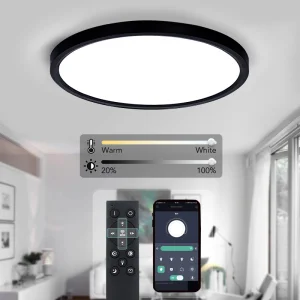
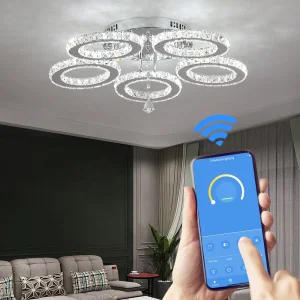
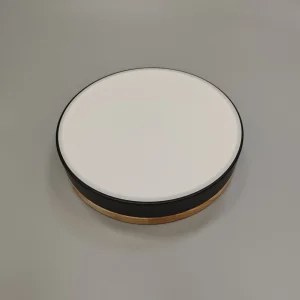
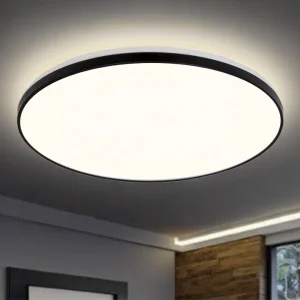
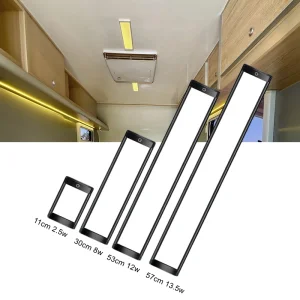
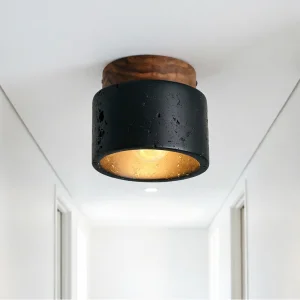
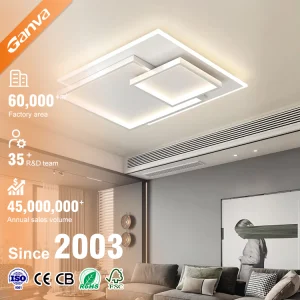
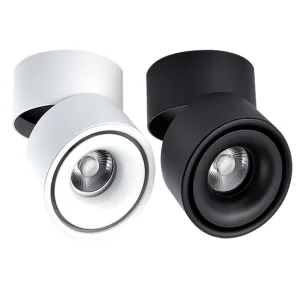
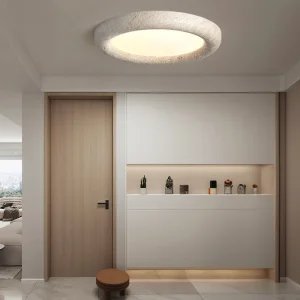
In modern structural design, the selection of luminaires dictates not only the aesthetic environment but also structural compliance, lifecycle carbon output, and operational safety. As global building standards shift rapidly toward energy efficiency and decarbonization, the industrial demand for surface mounted ceiling lights and IP65/IP66 Tri-proof lights has surged. Unlike recessed fixtures, which compromise ceiling integrity and insulation values, surface-mount designs eliminate architectural thermal bridging, maintain acoustic performance, and ensure simple installation across diverse substrates, including solid concrete, wood timber structures, and structural metal panels.
As a leading architectural LED lighting manufacturer, we specialize in bridging the gap between high-end design aesthetics and heavy industrial durability. Our manufacturing ecosystem integrates automated assembly with a dedicated internal molding facility, ensuring absolute mechanical precision. With an annual manufacturing threshold scaling up to 3 million sets and consolidated annual sales exceeding 100 million, our supply pipeline supports commercial projects, municipal builds, high-hazard chemical facilities, cleanroom production lines, and distribution networks across Europe, North America, Southeast Asia, Australia, and the Middle East.
In specialized commercial environments, ordinary indoor ceiling lighting fixtures fail due to ingress from particulate matter, moisture, or chemical vapors. Our manufacturing roadmap focuses on delivering ruggedized, high-tolerance lighting systems built to handle harsh environments. These solutions are categorized under two main portfolios: IP65/IP66 Tri-proof lights and specialized flat panel luminaires designed for commercial, scientific, and heavy industrial use.
Sterile cleanroom laboratories require specialized sealing to maintain negative or positive air pressure boundaries. Our cleanroom luminaires feature an IP67 rating, dust-proof sealing, and chemical-resistant acrylic diffusers. These surface-mount flat light fixtures withstand aggressive cleaning cycles, vaporized hydrogen peroxide (VHP) decontamination, and alcohol-based sterilizing sprays without compromising optical transmittance or housing seals.
Industrial metalworking, electronics assembly, and general manufacturing spaces subject luminaires to elevated ambient temperatures, airborne oil mist, and constant physical vibrations. Our heavy-duty surface-mounted ceiling lamps are engineered with structural cast-aluminum bases or high-impact polycarbonate outer housings, protecting integrated LED drivers from thermal failure and voltage variations.
Our IP65/IP66 Tri-proof luminaires provide reliable performance in spaces exposed to constant water spray and steam. They are extensively used in bathrooms, saunas, kitchens, canteens, military barracks, and bakeries. Beyond indoor use, they are certified for tunnels, subways, underground parking facilities, bridge walkways, camping sites, coal mines, and coastal docks with high humidity and salt spray.
True quality assurance in LED manufacturing requires direct, end-to-end control over every step of production. Our facility operates an independent mold research and development center, housing advanced machinery for custom tooling fabrication. Unlike competitors that source off-the-shelf plastic housings, we manage in-house injection molding, blister molding, and compression molding processes. This vertically integrated model lets us control housing wall thicknesses, modify polycarbonate and PMMA materials for ultraviolet stability, and adjust thermal conductive additives to meet strict project specs.
To verify electrical safety and optical metrics, our testing facilities are equipped with professional photoelectric diagnostics. This includes a certified darkroom for luminous intensity distribution testing, an integrating sphere spectrometer for luminous flux and spectral power measurements, and specialized machines to verify IP waterproof ratings. These internal testing capabilities ensure that every batch meets global standards for color temperature consistency, luminous efficacy, and water protection before leaving the factory.
We design, modify, and machine custom injection molds based on client drawings or physical samples. This allows us to offer unique lengths, circular profiles, and specialized mechanical mounting arrangements for various ceiling configurations.
Our production facility is certified to ISO9001:2000 and has successfully passed BSCI audits. Product lines carry international safety certifications, including TUV GS, CE, RoHS, LVD, EMC, and SAA, to ensure smooth customs clearance worldwide.
Located only 38 kilometers from Ningbo Port, our factory benefits from direct, cost-efficient shipping access. This proximity minimizes inland freight times, reduces carbon footprints during transport, and lowers overall FOB or CIF shipping costs.
The global LED ceiling light industry is evolving beyond basic illumination to focus on intelligence, connectivity, and human-centric design. Our engineering roadmap targets four key technical developments over the next three years:
Integration of wireless control protocols, including Tuya Smart, Zigbee, Casambi, and DALI-2 systems. These technologies allow facilities to automate dimming schedules, harvest daylight, and set up dynamic zoning, helping commercial spaces reduce energy consumption by up to 40% compared to traditional on/off installations.
Focusing on human-centric lighting with a high color rendering index (CRI ≥ 90, R9 > 50) and low glare performance (Unified Glare Rating UGR < 19). By using custom diffusion layers and micro-prismatic optical plates, we eliminate pixelation and deliver smooth, uniform light distribution that helps reduce eye strain in office and school environments.
Transitioning from standard FR4 laminates to high-conductivity metal core printed circuit boards (MCPCBs). When paired with high-performance aluminum thermal pads and custom housing vents, these substrates lower the operating temperature of the LED chips. This design helps slow down lumen depreciation and ensures a longer product lifespan (L80B10 > 50,000 hours).
Developing modular, easy-to-disassemble luminaires using recyclable materials. By avoiding permanently glued housings, we allow easy access to internal drivers and LED boards. This modular design makes maintenance simple, reduces landfill waste, and helps commercial projects qualify for LEED and BREEAM certifications.
A: Our Tri-proof luminaires are built using high-impact polycarbonate or PMMA housings that are resistant to common industrial acids, bases, and oils. The seals are made with co-extruded silicone gaskets that maintain flexibility and water resistance over years of thermal cycling. This construction makes them ideal for demanding environments, including commercial saunas, public swimming pools, industrial canteens, and chemical storage warehouses.
A: Our in-house mold R&D center and plastics plant can design, prototype, and manufacture custom profiles. We offer injection molding, blister molding, and compression molding for lamp housings, letting you customize housing wall thickness, mechanical lengths, mounting tabs, and light transmission properties to match your project requirements.
A: Yes, we supply smart surface-mounted luminaires that integrate with Tuya APP controls, 0-10V dimmers, and digital addressable lighting interfaces (DALI). These drivers are designed with active power factor correction (PFC > 0.95) and low total harmonic distortion (THD < 15%) to ensure stable operation on commercial electrical grids.
A: Our factory holds ISO9001:2000 and BSCI certifications. Depending on the model, our luminaires are certified to TUV, GS, CE, RoHS, LVD, EMC, and SAA standards, ensuring compliance with importing regulations in Europe, Australia, and other global markets.
A: Located just 38 kilometers from Ningbo Port, we minimize inland transit times. For standard catalog models, production lead times are typically 25 to 30 days. Custom OEM/ODM orders requiring mold modifications or custom casting are scheduled based on tool development timelines.