In the rapidly evolving industrial and commercial lighting space, specifying high-power RGB LED flood lights demands a comprehensive understanding of manufacturing quality, heat dissipation engineering, and optical precision. This guide covers how top manufacturers build high-efficiency, water-resistant lighting solutions, utilizing modern automated testing, certified laboratories, and integrated injection molding facilities to deliver high-quality luminaires worldwide.
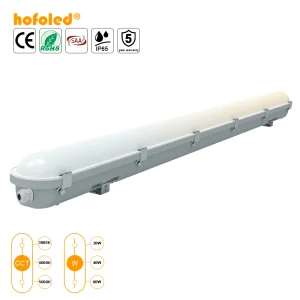
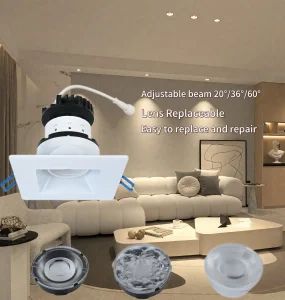
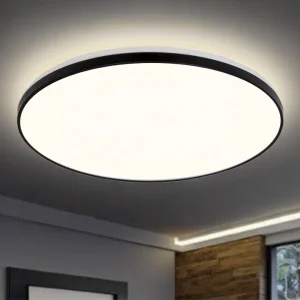
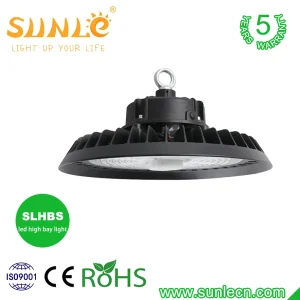
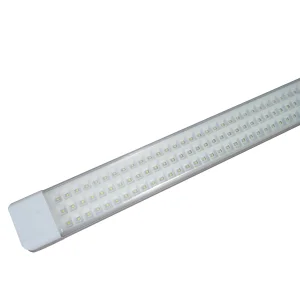
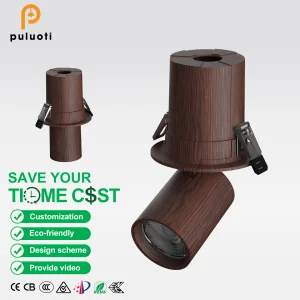
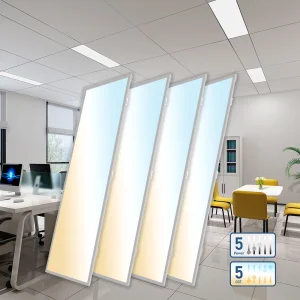
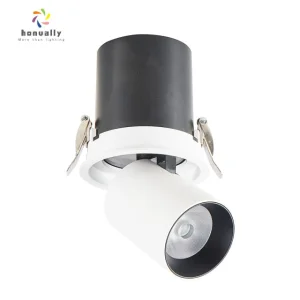
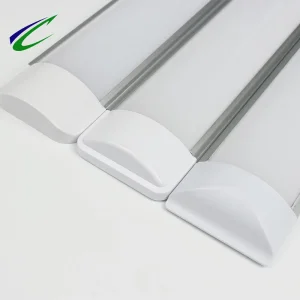
Explore our top-tier selections of high-performance indoor and outdoor luminaires, including IP65/IP66 batten fixtures, commercial high bays, and adjustable downlights engineered for demanding architectural contexts.
The global outdoor illumination sector is undergoing an unprecedented technological transition. Historically, high-intensity discharge (HID) and metal halide fixtures dominated commercial high-power flood lighting. However, the modern paradigm requires not only high luminous efficacy but also dynamic chromatic control, intelligent power management, and long-term environmental resistance.
In commercial, architectural, and municipal landscape environments, RGB and RGBW (Red, Green, Blue, White) LED flood lights have evolved from simple aesthetic enhancements to highly functional assets. Municipalities use them to highlight structural features and boost local tourism. Industrial complexes use them for dynamic warning systems, high-visibility loading docks, and adaptive workplace lighting. The growth of smart cities has driven demand for floodlights compatible with protocols like DMX512, Dali-2, and wireless architectures (Wi-Fi, Zigbee, Bluetooth Mesh), transforming outdoor lighting into connected, responsive systems.
Replacing legacy discharge lamps with high-efficacy LED chipboards cuts utility costs by 50% to 70%. Integrated CCT and RGB selection further optimizes performance, delivering light only in targeted spectrums to reduce environmental light pollution.
Heavy-duty outdoor installations face harsh weathering. Engineered RGB floodlights utilize high-conductivity aluminum alloys and custom thermal interfaces to lower junction temperatures, keeping L70 ratings well above 50,000 operation hours.
Modern controllers adjust red, green, blue, and cool/warm white parameters to generate millions of color variations. This precise spectral tuning supports circadian-friendly designs and customizable architectural statements.
An industrial-grade RGB floodlight is more than just light-emitting diodes in a box. It requires precise balance across thermal, electrical, and optical systems. Without robust engineering, high-power LEDs degrade rapidly, leading to color shift, moisture ingress, or driver failure.
LED light paths are inherently directional. To project light across long distances—such as bridge piers or high-rise facades—manufacturers design customized optical lenses. Using PMMA (polymethyl methacrylate) or high-durability polycarbonate materials, these lenses shape light into narrow spot beams (15° to 30°) or wide floods (60° to 120°). Precision optics reduce waste and direct output exactly where needed, avoiding unwanted glare in adjacent urban areas.
Thermal management is a critical factor in LED longevity. High-power RGB arrays generate significant heat at the chip junction. Premium manufacturers utilize die-cast aluminum housings featuring high thermal conductivity. The back of the enclosure is cast with vertical cooling fins, using convective air currents to pull heat away from the PCB. In addition, high-performance thermal grease or phase-change pads are applied between the metal-core printed circuit board (MCPCB) and the housing to minimize thermal resistance.
Fluctuations in utility grids can easily damage sensitive solid-state electronics. Industrial lighting requires isolated, constant-current LED drivers with high power factors (PF > 0.95) and low total harmonic distortion (THD < 15%). Furthermore, outdoor installations must include robust surge protection devices (SPDs) rated up to 10kV or 20kV to withstand lightning strikes and switching transients common in heavy-industrial environments.
Selecting an OEM or ODM lighting partner requires looking beyond unit pricing. Procurement managers, engineering firms, and distributors must evaluate manufacturers based on their engineering capabilities, quality control systems, and supply chain vertical integration. Here is the framework used to assess the industry's top manufacturers:
Manufacturers with dedicated tool and die facilities can design custom housings, modify optics, and optimize designs faster than companies relying on third-party suppliers. In-house design ensures tighter tolerances and better heat sink integration.
Top suppliers maintain fully equipped testing labs featuring integrating sphere spectrometers, goniophotometers for luminous distribution tracking, thermal shock chambers, and dedicated water ingress testing setups.
Verify that your manufacturing partner holds international certifications, such as ISO9001 for quality systems and BSCI (Business Social Compliance Initiative) for ethical labor standards and supply chain transparency.
Ledlot Lighting (Zhengning Lighting) stands out by integrating in-house manufacturing with advanced R&D. With an independent injection molding shop, specialized blister/compression capabilities, and a fully equipped photoelectric testing lab, we ensure every batch of IP65/IP66 fixtures meets strict commercial standards.
Ledlot Lighting is a specialized lighting enterprise focused on the development, production, and sales of IP66 and IP65 tri-proof lights, as well as high-performance indoor and outdoor ceiling luminaires. Guided by our core philosophy—"Credit from Sincerity, Business from Quality, People First"—we continuously drive innovation through scientific research and process modernization.
Our manufacturing facility features an advanced, independent mold R&D center alongside automated assembly lines and specialized inspection equipment. By controlling the entire manufacturing process—from initial CAD modeling and polymer injection molding to final optical and electrical testing—we deliver high-reliability fixtures with favorable, controlled pricing.
Our in-house R&D center designs custom injection, blister, and compression molds. This allows us to manufacture lamp housings in various shapes, lengths, and engineered materials to meet unique customer specifications.
Our facility includes a dedicated darkroom, integrating sphere spectrometers for color analysis, and specialized IP waterproof testers. Every design is validated under simulated harsh conditions before mass production.
Our quality systems are ISO9001:2000 and BSCI certified. Our products carry international approvals, including TUV, GS, CE, RoHS, LVD, EMC, and SAA, ensuring smooth compliance in global markets.
With an annual output capacity of 3 million sets and annual sales reaching 100 million RMB, we support distributors, contractors, and OEM partners worldwide with reliable, high-volume production.
Procurement timelines are highly sensitive to shipping efficiency and port logistics. Lead times directly affect project scheduling and overall costs. Ledlot Lighting's production facility is located just 38 kilometers from Ningbo Port—one of the world's premier deep-water shipping terminals.
This geographical location offers significant logistical advantages, including fast container loading, streamlined customs handling, and daily ocean freight connections to major global ports. In addition to fully assembled fixtures, we support CKD (Completely Knocked Down) and SKD (Semi-Knocked Down) shipping models. This flexibility allows international buyers to optimize assembly processes, reduce import tariffs, and lower transportation costs.
Industrial and architectural lighting must perform reliably in challenging settings, from high-humidity areas to high-dust industrial environments. Our IP65/IP66 tri-proof and flood lighting products are engineered to withstand diverse, demanding locations worldwide:
Designed to resist moisture and steam in bathrooms, saunas, kitchens, canteens, bakeries, and healthcare facilities where routine washdowns and sanitization are required.
Heavy-duty construction for subways, railway tunnels, pedestrian aisles, underground parking decks, bridges, and river docks exposed to constant vibration and moisture.
Reliable operation in assembly shops, materials warehouses, military barracks, and coal processing facilities where airborne dust and physical impacts are common.
The lighting industry is moving rapidly toward intelligent, connected systems. Future RGB LED installations will focus heavily on adaptive control architectures. By integrating Wi-Fi, Bluetooth Mesh, and Matter protocols, users can adjust colors and dimming schedules dynamically via smartphones or centralized building management systems (BMS).
In addition, sustainability remains a key focus. Development priorities include improving luminous efficacy beyond 150 lm/W and using recyclable, eco-friendly materials. Transitioning to modular designs allows components like LED engines and drivers to be replaced easily, extending the service life of the fixture and reducing electronic waste.
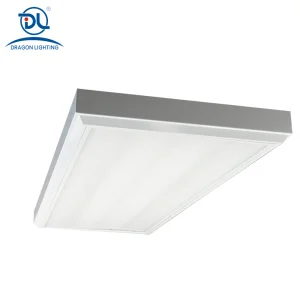
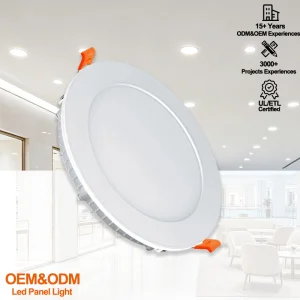
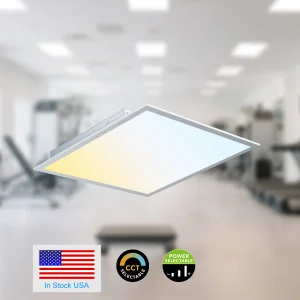
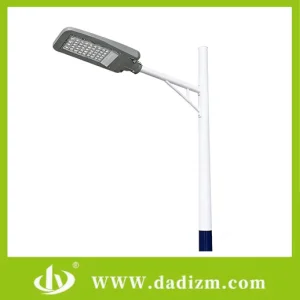
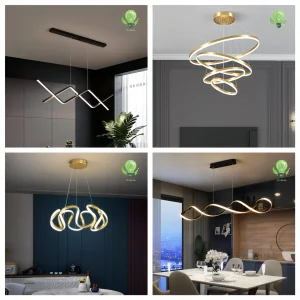
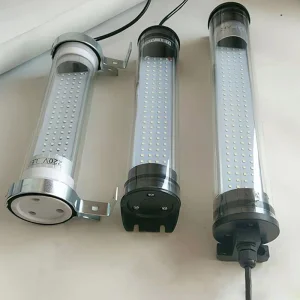
Browse our additional high-reliability fixtures, including outdoor streetlights, smart pendant fixtures, thin panel lights, and specialized explosion-proof workshop illumination.