China Best LED Portable Spotlight Manufacturers & Exporters
Industrial-Grade Illumination Whitepaper: Supply Chain Resilience, Engineering E-E-A-T Excellence, and Global Sourcing Intelligence for Heavy-Duty and Harsh Environments.
Featured Spotlight & Precision Downlight Configurations
Global Specifier's Selected Products - Series I
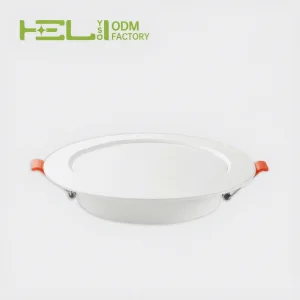
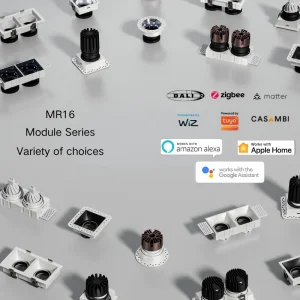
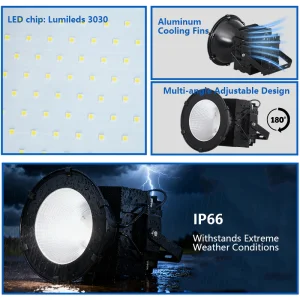
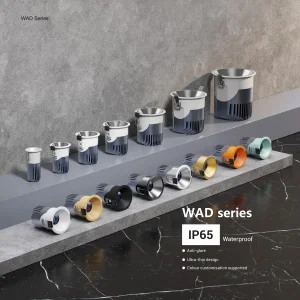
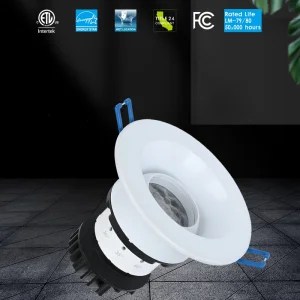
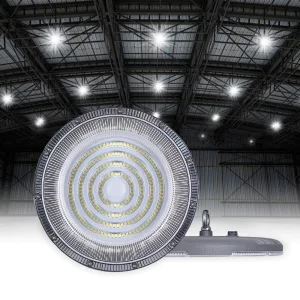
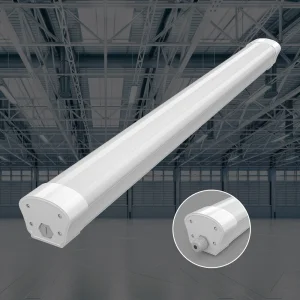
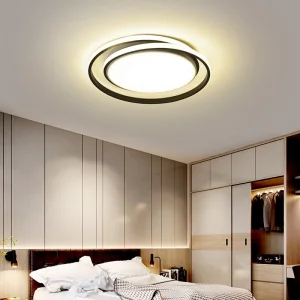
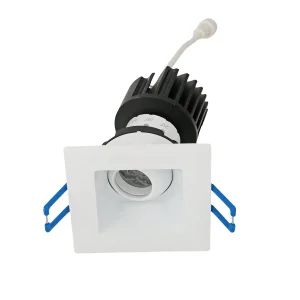
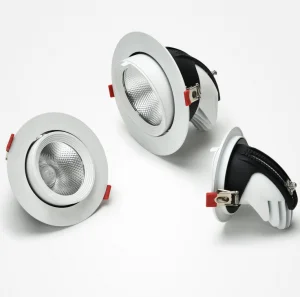
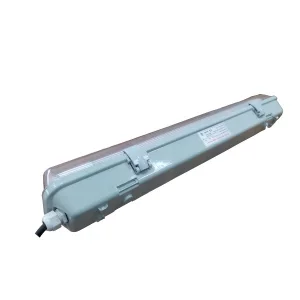
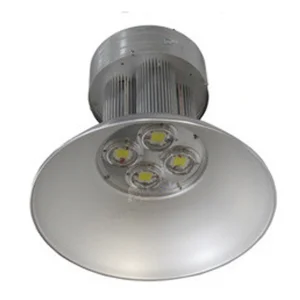
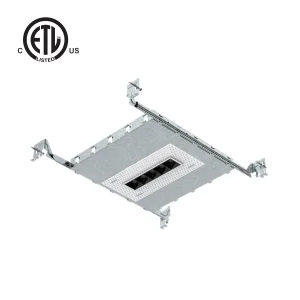
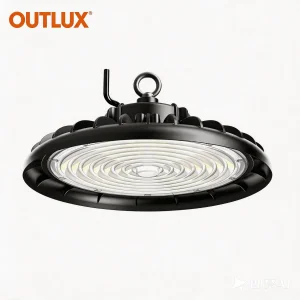
Engineered to comply with stringent European, American, and Australian standards. The initial selection showcases our foundational downlighting, extreme weather high-bays, and high-IP-rated smart ceiling lights.
The Evolution of Portable & Specialized Industrial Illumination
The industrial illumination sector has transitioned from standard incandescent task lighting to highly complex, solid-state LED systems. Historically, portable spotlights were simple, battery-operated halogen lamps characterized by low runtime, heavy housings, and high heat generation. Today, the global commercial sector demands durable, lightweight, energy-efficient, and explosion-proof portable spotlighting solutions. This shift is driven by advancements in LED chips (SMD and COB technologies), improvements in lithium battery energy density (such as LiFePO4 chemistry), and smart control integration.
From an architectural and facility perspective, lighting is no longer treated as a static utility. Facility managers and procurement teams now prioritize structural resilience (IK ratings for impact resistance, IP ratings for ingress protection) and smart dimming capabilities (Zigbee, DALI, and 0-10V dimming) over basic lumen-per-watt efficiency. This development aligns with the shift toward automated systems where portable and localized task lights must seamlessly interface with smart-building ecosystems or perform reliably in harsh environments.
"True quality in modern optical engineering is defined by how well a lighting fixture maintains its spectral output and IP structural seal under thermal load and mechanical stress."
— Lead Optical Laboratory Engineer, Ledlot Lighting
Extended Battery Life & Smart Output
By leveraging advanced driver designs and thermal management, modern LED portable spotlights dynamically scale their output based on temperature and remaining charge, tripling the functional runtime on remote industrial sites.
Adaptive Optics & Beam Adjustability
Technological advancement allows for stepless zoom optics (from tight spots to broad floods) using PMMA lenses that maintain high transmission without yellowing over years of continuous outdoor use.
Intrinsically Safe & Explosion-Proof Designs
Our heavy-duty lighting is engineered to meet ATEX and IECEx standards, allowing secure operation in explosive atmospheres, such as coal mines, petroleum processing facilities, and grain silos.
China Factory 4.0: Supply Chain Resilience and Technical Efficiency
Modern global procurement requires partnerships that balance low production costs with advanced technological capabilities. As an established lighting enterprise, we specialize in the development, production, and sales of high-performance IP66 and IP65 Tri-proof lights, as well as indoor and outdoor ceiling fixtures. Our operations are guided by our scientific management concept: "Credit from Sincerity, Business from Quality, People First". We continuously invest in technological upgrades to ensure our production processes meet evolving global standards.
Our manufacturing complex includes an independent mold R&D center and a photoelectric testing facility. By maintaining an in-house injection molding, blister molding, and compression molding workshop for lamp housings, we control structural quality, lead times, and unit costs. This vertical integration allows us to customize housing shapes, lengths, and materials according to precise engineering drawings or client samples, bypassing third-party delays.
3,000,000
Annual Production Capacity (Sets)
100M+
Annual Sales Revenue (RMB)
38 KM
Proximity to Ningbo Port
100%
In-House QA (Integrating Sphere Testing)
Quality control is sustained by our advanced inspection equipment. We operate a dedicated darkroom and employ measuring instruments including integrating sphere spectrometers and specialized IP waterproof level testers. This ensures that every lighting system we ship matches its rated luminous flux, color rendering index, and ingress protection class. We hold certifications from BSCI and ISO9001:2000, and our lighting solutions are approved by TUV GS, CE, ROHS, LVD, and EMC, ensuring compliance with global regulatory standards.
Localized Application Matrix
Industrial, Commercial, and Extreme Environment Applications
Our IP66 and IP65 Tri-proof lighting and portable spot solutions are designed for environments with high humidity, dust, and corrosive elements. Standard fixtures often fail under these conditions due to condensation, dust ingress, or thermal stress. Our systems are built to withstand these challenges, providing reliable illumination in demanding environments.
Damp & Wet Areas (Bathrooms, Saunas, Kitchens) Sterile & Clean Zones (Hospitals, Canteens, Bakeries) Heavy Logistics (Material Warehouses, Assembly Workshops) Municipal Infrastructure (Squares, Public Parks, Aisles, Tunnels, Subways) Rugged Outdoor/Maritime (Bridges, River Banks, Docks, Swimming Pools, Camping) High-Risk Sectors (Military Barracks, Coal Mines)
Chemical and Mechanical Resilience
Our housings are made from high-grade polycarbonate (PC) and PMMA, with optional anti-corrosion finishes. This construction resists alkaline and acidic vapors, making them suitable for sanitization cycles in hospitals and canteens.
IP65/IP66 Waterproof & Hermetic Seals
Using continuous polyurethane sealing gaskets combined with robust end-caps, our luminaires prevent moisture ingress under high-pressure spray, qualifying them for outdoor docks, river banks, and subways.
Vibration Resistant Industrial Mounts
For applications near high-vibration machinery, bridges, or mining corridors, our heavy-duty brackets reduce structural resonance, preventing electrical failures and extending the life of the internal LED driver.
E-E-A-T Sourcing Guidelines
Technical Specification and Customization Capabilities
We design and manufacture high-efficiency lighting systems tailored for mid-to-high-end global markets, prioritizing safety, longevity, and ease of installation.
Custom OEM/ODM Engineering
Our dedicated R&D engineering team designs custom structural models to fit client parameters, offering rapid prototyping and production based on physical samples or engineering drawings.
Comprehensive Optical Integrity
Using high-efficiency SMD and COB arrays, we optimize beam distribution patterns to ensure uniform ground lux levels, reduce glare indices (UGR), and maximize light extraction efficiency.
Thermal Dissipation Engineering
By using copper PCBs and thermal-conductive aviation aluminum backings, our spotlights manage heat dissipation effectively, keeping junction temperatures low and extending product lifetime.
FAQ - Technical Sourcing Queries
LED Industrial Lighting FAQ: Procurement Intelligence
1. What is the operational difference between IP65 and IP66 ratings for high-bay and tri-proof lights?
IP65-rated fixtures are protected against dust ingress and low-pressure water jets from any direction. IP66-rated fixtures provide protection against dust and high-pressure water jets or heavy seas. In environments subject to high-pressure cleaning cycles (such as food processing facilities or marine docks), IP66-rated protection is recommended to prevent internal moisture accumulation and prolong service life.
2. How does the in-house injection and mold shop lower procurement costs for global buyers?
Maintaining an in-house tooling and molding workshop eliminates the markups charged by third-party suppliers. It also allows us to verify structural dimensions and material purity during the raw material stage, reducing batch defects and speeding up prototype revisions for custom commercial projects.
3. What processes does the factory use to verify the safety and electrical compliance of lighting fixtures?
Every production batch undergoes testing, including high-voltage insulation tests, earth leakage checks, integrating sphere colorimetric verification, and water ingress testing. Our products are certified by TUV GS, CE, ROHS, LVD, and EMC, ensuring compliance with European, Australian, and American safety standards.
4. Why is the 38-kilometer proximity to the Ningbo Port advantageous for supply chains?
Close proximity to a major shipping hub reduces domestic container transport times and logistics costs. This allows us to load containers at the facility and dispatch them quickly to the port, helping clients meet tight project schedules and reduce port delays.
Heavy-Duty and Specialized Illumination - Series II
Global Specifier's Selected Products - Series II
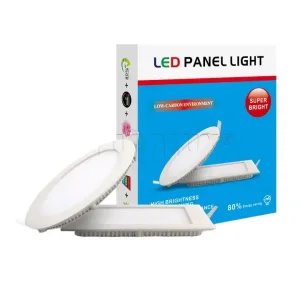
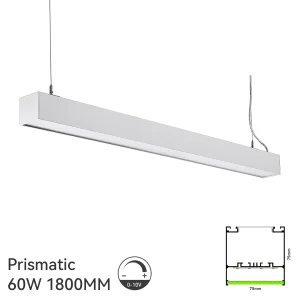
Explore our range of dimmable systems, adjustable-angle spot downlights, industrial warehouse high-bays, and linear configuration panels designed for heavy commercial use.
 Ledlot Lighting