Top Trusted LED Light Bar Supplier & Suppliers

Precision Engineering, Global Certifications, and End-to-End OEM/ODM Solutions for Industrial and Commercial Environments

Ledlot Lighting: Manufacturing Powerhouse

A proven record of performance, compliance, and industrial-scale manufacturing capability.

100M+ Annual Sales (RMB)
3M+ Annual Production (Sets)
38 km Proximity to Ningbo Port
100% Independent R&D Molds

Whitepaper: The Strategic Evolution of Industrial LED Light Bars

In modern industrial and commercial operations, lighting systems are no longer treated as passive utilities. They have evolved into critical components that directly impact operational efficiency, human safety, and energy consumption. As a premier LED light bar supplier, Ledlot Lighting presents this comprehensive analysis of contemporary industrial lighting architecture, focusing on high-durability linear solutions, technical roadmaps, and the nuances of global supply chain management.

1. Technological Transitions in Industrial Linear Lighting

The global shift from conventional fluorescent T8 tubes and metal halide high-bays to advanced linear LED light bars is driven by two main factors: thermal efficiency and optical control. Unlike omnidirectional legacy lighting, LED light bars offer directional light distribution, allowing optical engineers to target exact surfaces with custom beam angles (using asymmetric, elliptical, or wide-distribution lenses).

Furthermore, contemporary systems integrate smart sensing structures. Tunable Correlated Color Temperature (CCT) systems and Dali/0-10V dimmable protocols are becoming standard in modern facilities. These technologies adapt to diurnal human biological patterns, boosting worker productivity while reducing energy consumption by up to 70% when paired with occupancy sensors.

2. Sourcing Requirements of Global Procurement Officers

When selecting an LED lighting partner, procurement managers face challenges related to compliance, longevity, and total cost of ownership (TCO). High-quality commercial lighting demands rigorous component screening:

  • Thermal Management: Solid-state lighting generates heat at the junction. Quality LED bars utilize high-grade extruded aluminum (such as 6063-T5) to act as heat sinks, maintaining the junction temperature below 85°C to protect the silicon chips.
  • Structural Rigidity: In environments like food processing, saunas, and marine docks, luminaires must resist physical impact (IK08-IK10 ratings) and environmental ingress (IP65, IP66, and IP69K ratings).
  • Driver Reliability: The LED driver is often the first component to fail. Enterprise-level installations require drivers with high power factors (PF > 0.95), low Total Harmonic Distortion (THD < 15%), and robust surge protection (up to 4kV-6kV).

Our Core Manufacturing Capabilities

How we address the complex requirements of high-end global markets through vertical integration.

Customization & R&D

We feature an in-house R&D division capable of engineering, developing, and manufacturing custom profiles based on client blueprints or physical samples.

Cost Control

Equipped with an independent injection molding facility, we manage pricing and lead times directly, offering stable pricing without middleman markups.

Quality Assurance

Our facility houses advanced testing systems, including integrating spheres, darkrooms, goniophotometers, and IP dust/water testers to verify every batch.

Diverse Processes

We support injection, blister, and compression molding for luminaire housings, allowing us to produce custom designs in various shapes, lengths, and materials.

Scale & Capacity

With an annual production capacity of 3 million lighting sets and steady growth, we easily support large-scale commercial programs.

Mid-to-High End Markets

Our design process complies with strict global benchmarks. All products conform to international certification standards, including CE, RoHS, and SAA.

3. Macro-Industry Lighting Solutions

Different commercial settings require specialized lighting configurations. A one-size-fits-all approach often leads to higher operational costs, safety hazards, or premature system failure. We design custom systems tailored to distinct environments:

A. Heavy Industrial & Manufacturing Facilities

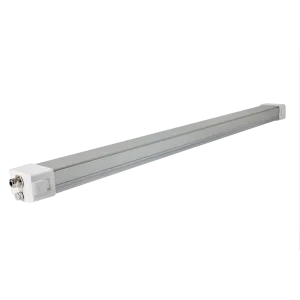
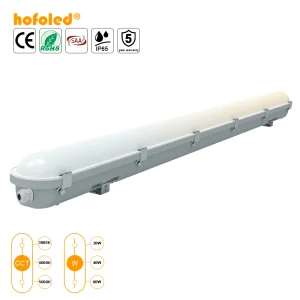
Industrial assembly lines, CNC workshops, and manufacturing plants require constant, glare-free lighting to maintain safety and assembly precision. Our high-lumen, anti-glare linear systems deliver high illuminance without causing eye strain. These systems are constructed with aluminum backplates for optimal heat dissipation and high-transmittance polycarbonate diffusers that spread light evenly.

B. Hazardous & Explosive Atmospheres

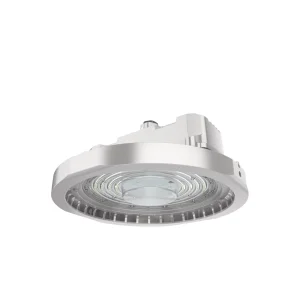
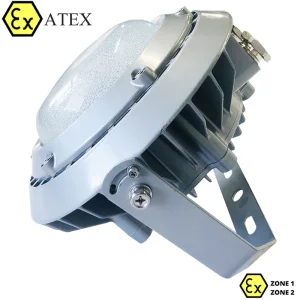
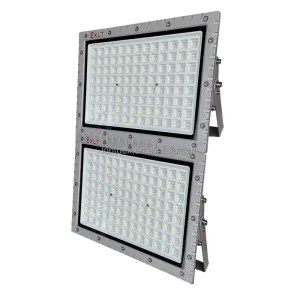
Petrochemical plants, grain silos, and paint booths are high-risk zones where standard lights can trigger explosions. For these areas, we offer ATEX and CE-certified explosion-proof high bays and linear fixtures. These rugged luminaires are housed in heavy-duty aluminum alloy casings with tempered glass lenses, designed to isolate potential sparks and withstand high external pressures.

C. Cleanrooms, Cold Storage & Food Processing

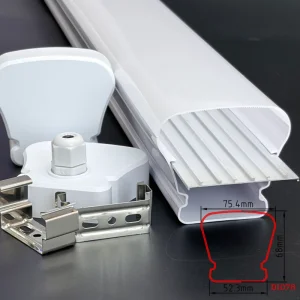
Cleanroom environments demand airtight, easy-to-clean structures that don't collect dust. Our IP65/IP66 Tri-proof lights resist moisture, dust, and corrosion, making them suitable for sub-zero cold storage warehouses and food processing areas that undergo high-pressure washdowns. They are built with impact-resistant housings that do not degrade or yellow when exposed to chemical cleaning agents.

D. High-End Commercial & Smart Administrative Zones

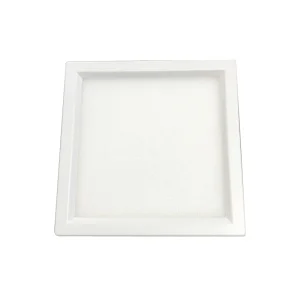
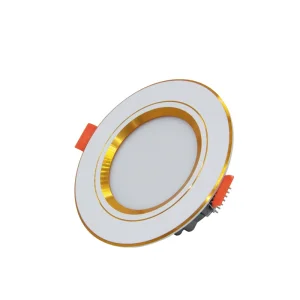
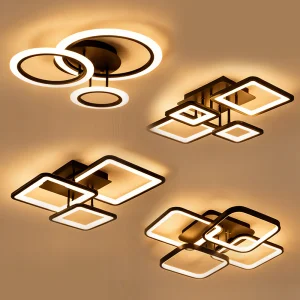
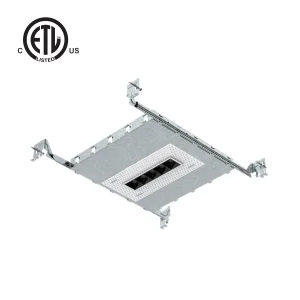
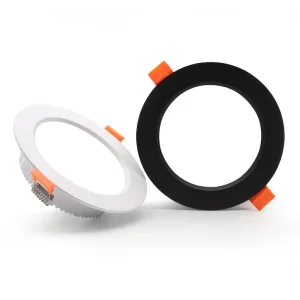
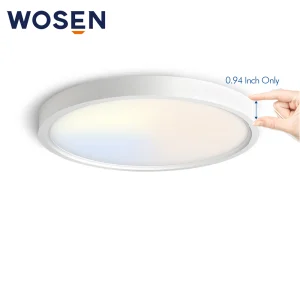
Modern office complexes, retail stores, and hotels require aesthetic versatility. For these spaces, we provide ultra-thin recessed downlights, CCT-tunable flush mount ceiling lamps, and Alexa-compatible smart panels. These systems integrate dimming controls to adjust brightness dynamically based on available natural daylight, lowering energy costs in commercial spaces.

Technical Roadmap & Future Outlook

How we integrate testing, materials science, and smart controls to build next-generation lighting solutions.

Phase 1: Advanced Testing

Integrating Sphere Spectrometry

Every lighting design undergoes precise testing in our integrating spheres to verify color rendering index (CRI), luminous efficacy, and color consistency across production runs.

Phase 2: Ingress Protection

Waterproof and Thermal Chambers

Our IP level chambers test components against high-pressure water jets and extreme thermal cycles, ensuring they maintain IP65 and IP66 ratings in real-world conditions.

Phase 3: Material Development

Custom Polycarbonate Extrusions

We develop high-performance UV-stabilized plastics to prevent discoloration in outdoor settings, ensuring long-term optical clarity.

Phase 4: Smart Control Systems

IoT and Smart Protocols

We are integrating IoT modules into our product lines, including Wi-Fi, Zigbee, and Bluetooth mesh technologies, supporting automated building management systems.

4. Localized Compliance & Global Supply Chain Safety

Sourcing from overseas factories requires careful logistics planning. We streamline the delivery process through two major advantages:

A. Proximity to Ningbo Port

Our manufacturing facility is located just 38 kilometers from Ningbo Port, one of the busiest cargo hubs in the world. This close proximity reduces local transport times, lowers emissions, and cuts container drayage costs, ensuring efficient container loading and reliable shipping timelines to destinations worldwide.

B. Robust International Certifications

To support global supply chains, we maintain an extensive set of international certifications. Our manufacturing facility operates under the ISO9001:2000 quality framework and is BSCI-audited to ensure ethical labor standards. Our lighting fixtures have earned certifications including TUV GS, CE, RoHS, LVD, and EMC. We continuously update and expand our compliance credentials to simplify import clearance in European, American, Australian, and Middle Eastern markets.

Industrial Lighting FAQ

Answering common questions about technical specifications, custom manufacturing, and global shipping.

What is the difference between IP65 and IP66 ratings in industrial lighting?

An IP65 rating indicates the fixture is dust-tight and protected against water jets from any angle. An IP66 rating offers higher protection, preventing ingress from powerful water jets. IP66 fixtures are recommended for outdoor areas, marine docks, and washdown environments.

How do you handle custom R&D requests and sample runs?

We feature a dedicated mold research center and an injection molding shop. We can design and produce custom components based on your drawings or physical samples, providing rapid prototyping and validation testing in our in-house laboratories.

Which certifications do your products carry for European and US markets?

Our products hold ETL certification for North America, alongside TUV GS, CE, RoHS, LVD, and EMC approvals for Europe. We also supply SAA-certified products for the Oceania region, and our manufacturing facilities are BSCI-audited and ISO9001 certified.

What is the logistics process for bulk shipping from your factory?

Our facility is located 38 kilometers from Ningbo Port, allowing us to quickly transfer loaded containers to the port. This minimizes overland transport fees and enables flexible shipping arrangements to global destinations.