Engineered for High-Efficacy, Durability, and Strict Compliance Standards
The global illumination market is undergoing a structural transition. Architectural, commercial, and industrial landscape designers are rapidly moving away from traditional, fragile glass-neon structures toward high-performance, solid-state LED Neon Flex materials. Driven by advancements in silicone extrusion technologies, modern LED neon structures present remarkable resistance to UV radiation, thermal stresses, and environmental moisture, earning them a permanent place in premium outdoor facade detailing and indoor task lighting designs.
In parallel, the rise of "Smart Cities" and the adoption of IoT-enabled building protocols have propelled the demand for addressable and controllable linear lighting systems. Integration with protocols such as DALI (Digital Addressable Lighting Interface), 0-10V analog dimming, and wirelessly enabled smart hubs (such as Tuya WiFi RGB and Bluetooth mesh) has allowed commercial spaces to scale illumination dynamically based on occupancy, utility hours, and aesthetic demands. Consequently, sourcing from verified, CE-certified exporters and manufacturers has become a baseline operational requirement for global electrical contractors and sourcing networks.
"Modern architecture demands a convergence of raw functional efficacy and absolute physical flexibility. High-performance, CE-certified LED Neon and IP66/IP65 tri-proof lighting fixtures stand at this crossroads, offering unparalleled safety parameters alongside flexible form factors."
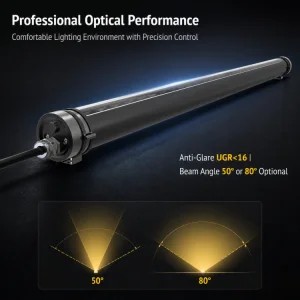
Furthermore, modern spectral design now emphasizes human-centric factors. High Color Rendering Index (CRI > 90), strict binning management, and the control of spatial glare (UGR < 16) are critical elements that distinguish low-grade ornamental imports from premium, engineered architectural systems. As environmental guidelines like EU RoHS and EcoDesign directive compliance tighten, the emphasis on circular materials and high luminous efficiency (measured in lumens per watt) drives the procurement decisions of sophisticated enterprise buyers.
Translating Scientific Management into High-Fidelity Architectural and Industrial Lighting
Operating under rigorous scientific management guidelines, our systems are certified under ISO9001:2000 and BSCI, guaranteeing ethical labor operations, consistent manufacturing pipelines, and verifiable traceability.
Equipped with our own darkroom and advanced measuring devices, including Integrating Sphere Spectrometers and IP Waterproof Level Testers, ensuring precise lumen maintenance and chromatic consistency.
Featuring independent injection, blister, and compression molding workshops. We offer extensive custom-profile development based on physical samples or CAD/BIM architectural drawings.
3,000,000
Annual Set Capacity
100M+
Annual Sales (RMB)
38 KM
Proximity to Ningbo Port
100%
TUV GS CE RoHS Compliant
In the procurement of LED Neon and commercial luminaires, international contractors must balance strict safety, electrical, and structural parameters. Importing into highly regulated territories such as the European Union, North America, and Australia demands compliance validation from recognized testing bodies. Certifications such as TUV GS, CE, ROHS, LVD, and EMC serve as non-negotiable proof of safety, verifying that electrical components do not present shock hazards, electromagnetic interference, or fire risks under continuous load conditions.
Furthermore, commercial buyers focus heavily on thermal management. A poorly designed linear light or downlight can quickly suffer from phosphor degradation or early driver failure due to excessive heat build-up. Sourcing networks prioritize manufacturers that manage internal R&D through dedicated optical labs and integrating spheres. Understanding these thermal characteristics enables project managers to confidently deploy luminaires across extreme environments, ranging from high-humidity bath areas and commercial kitchens to low-temperature warehousing and coastal infrastructural docks.
| Certification / Metric | Standard Parameters Required | Relevance to Sourcing Projects | Testing Infrastructure Utilized |
|---|---|---|---|
| CE (LVD / EMC) | EN 60598, EN 55015 compliant | Mandatory European safety and electromagnetic compatibility compliance. | EMC Anechoic Chamber, High-voltage insulation testing devices. |
| IP65 / IP66 Ratings | Dust-tight; protected against water jets | Ensures longevity in wet, dusty, or outdoor locations. | Rain/Dust chamber test protocols. |
| Color Consistency (SDCM) | < 3 MacAdam Ellipses | Ensures uniform color representation across large-scale linear runs. | Spectroradiometer & Integrating Sphere. |
| CRI / UGR | CRI > 90 / UGR < 16 (for office spaces) | Human-centric visual comfort, preventing eye strain. | Goniophotometer measurement system. |
For large-scale architectural projects, standardized linear runs present an installation challenge: voltage drop. A professional LED neon exporter must design strips with heavy duty PCB copper traces (typically 3oz or more) or integrate internal constant current ICs to ensure uniform brightness from the input power point to the very end of the run. This attention to mechanical engineering ensures that when a wholesale buyer places a large order, the field installation is straightforward and free of costly troubleshooting.
Under the blueprint of Factory 4.0, our manufacturing facility merges automated injection molding, precision profile extrusion, and rigorous photoelectric validation. We operate specialized workshops dedicated to housing fabrication: injection molding, blister molding, and compression molding. This diverse capability allows us to produce lamp housings in varying lengths, complex geometries, and distinct material requirements (such as flame-retardant PC, high-durability PMMA, or marine-grade silicone). By handling housing production internally, we keep costs manageable while maintaining close control over quality.
Our manufacturing model relies heavily on automated assembly lines that execute component soldering, silicon potting, and continuous testing with minimal human error. Our factory's R&D center features an advanced darkroom and high-end testing devices, including an Integrating Sphere Spectrometer and specialized IP waterproof testers. Every manufacturing batch undergoes thorough burn-in runs and spectroradiometric analysis before shipment.
"Located just 38 kilometers from the Port of Ningbo, our facility streamlines shipping timelines for international buyers. This strategic geographic proximity cuts domestic transit costs, simplifies customs processes, and provides an efficient gateway to global markets."
This strong logistics backbone, paired with an annual capacity of 3 million sets, gives us the agility to handle high-volume enterprise orders without extending lead times. It allows us to serve mid-to-high-end markets in Europe, America, Southeast Asia, Australia, the Middle East, and Africa. As geopolitical challenges require greater supply chain resilience, our structured raw material pipeline and nearby port location make us a stable partner for distributors worldwide.
High-performance lighting fixtures must adapt to varying environmental conditions. Our IP66 and IP65 tri-proof lights and LED neon linear profiles are engineered to perform in challenging spaces. The integration of high-reliability silicone jackets makes these fixtures suitable for the following scenarios:
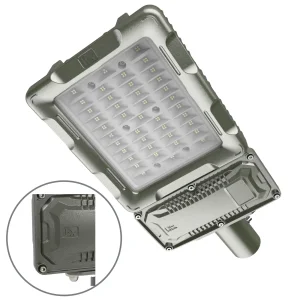
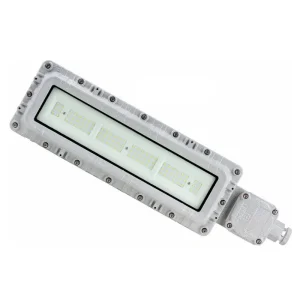
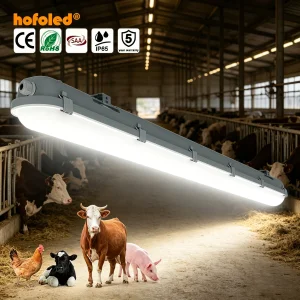
Ammonia-resistant batten lights and dustproof explosion-proof fixtures protect circuitry in demanding zones like poultry farms, chemical processing facilities, mine shafts, and paint-booth workshops.
Our waterproof structures are built to withstand exposure to salt, humidity, and UV rays in outdoor spaces like bridges, docks, riverbanks, underground transit tunnels, and parking garages.
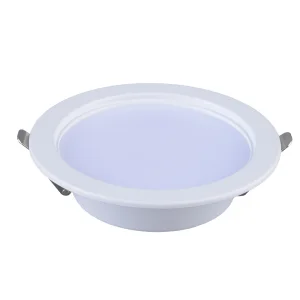
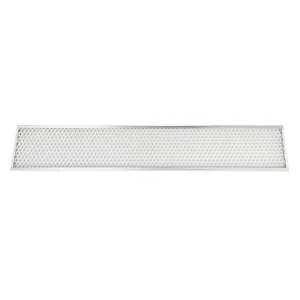
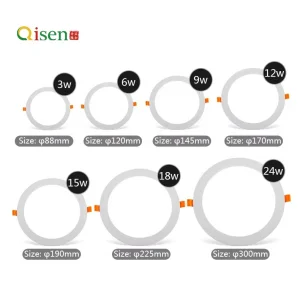
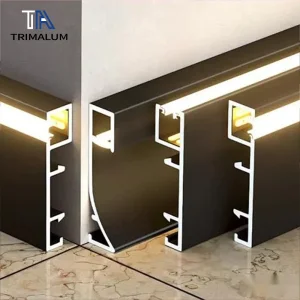
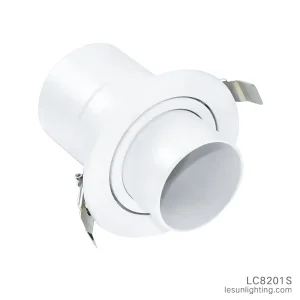
Ultra-slim downlights, modern panel lights, and aluminum skirting baseboards with integrated light channels deliver clean, indirect illumination for hotels, offices, and residential spaces.
By adjusting raw material formulations—such as choosing between flexible silicone or impact-resistant polycarbonate—our engineering team tailors the product line to match specific project requirements. This versatility ensures that whether a project calls for corrosion-resistant lighting in a public swimming pool or glare-controlled panel lights for an office, we can deliver a suitable option.
Answering common engineering, sourcing, and implementation questions
Optimized for Precise Design, Energy Efficiency, and Reliable Performance