In the rapidly changing landscapes of global industrial production, automotive servicing, aerospace maintenance, and precision assembly lines, mobile illumination systems—often classified as LED Cart Lights or portable lighting systems—have become indispensable. Global sourcing agents, facility managers, and engineering leads seek rugged lighting configurations that combine mobility, high luminous efficacy, and maximum survival capacity in demanding environments. This industry whitepaper analyzes the manufacturing architecture, supply chain logistics, and technology integration that define China's leading role in exporting high-performance industrial lighting products.
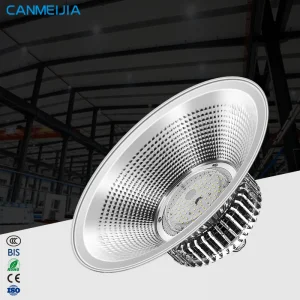
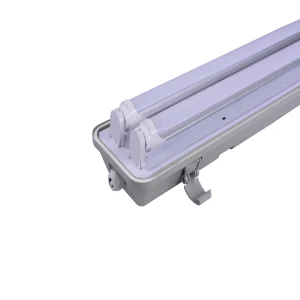
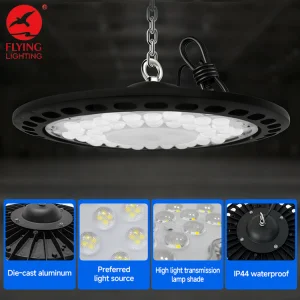
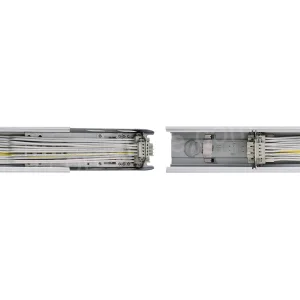
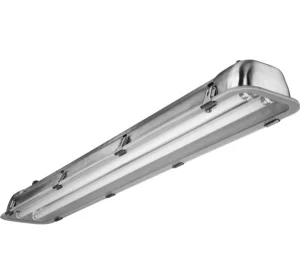
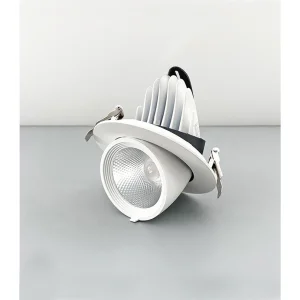
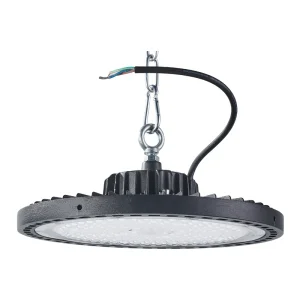
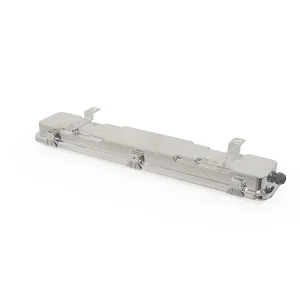
Historically, task illumination relied on heavy, inefficient halogen or fluorescent systems. These devices posed structural challenges: high energy draw, extreme heat signature generation, and physical vulnerability to impacts and liquids. Modern LED cart lights address these issues by combining solid-state lighting arrays with heavy-duty mobile carts. These cart lights require specialized luminaires—such as robust IP66 and IP65 Tri-proof lights, high-performance linear fixtures, and high-output UFO high bay systems—as their core engines. Understanding the structural properties of these luminaires is key to choosing a reliable Chinese manufacturing partner capable of delivering high return on investment (ROI).
A primary driver for selecting a Chinese manufacturing partner is the concentration of supply chain resources in industrial zones. The industry cluster in Ningbo and Guangdong provinces offers significant structural benefits:
Leading manufacturers maintain in-house raw material workshops, including specialized injection molding, blister molding, and compression molding workshops. This vertical setup enables cost control and exact dimensional consistency. Building custom molds and lamp housings under one roof protects the design integrity of the product and reduces time-to-market.
To meet international energy and performance standards, high-quality manufacturers invest in testing hardware. Advanced facilities house photoelectric testing labs, integrating sphere spectrometers, and darkrooms for accurate luminous flux and polar curve measurements, alongside mechanical test chambers like IP waterproof level testers.
Geographic proximity to deepwater container ports is critical. Operating only 38 kilometers from the Ningbo Port ensures rapid transport, reduced double-handling, and minimized drayage costs, which translates directly to lower freight-on-board (FOB) prices and faster delivery times.
These combined advantages allow manufacturers to maintain an annual capacity of 3 million sets of industrial lighting products. This volume handles large procurements while keeping unit economics favorable for standard configurations and custom OEM orders alike.
When importing LED cart light engines or industrial fixtures, compliance is a non-negotiable requirement. According to the Google Search Quality Rater Guidelines, content demonstrating high levels of Experience, Expertise, Authoritativeness, and Trustworthiness (E-E-A-T) must detail real-world regulatory certifications and testing methods. Professional manufacturers do not simply claim quality; they verify it through third-party certifications.
A reliable supplier maintains strict corporate compliance audits. Leading companies are certified under the BSCI (Business Social Compliance Initiative) and the ISO9001:2000 Quality Management System. These credentials ensure ethical labor practices, safe working conditions, and traceably standardized manufacturing processes.
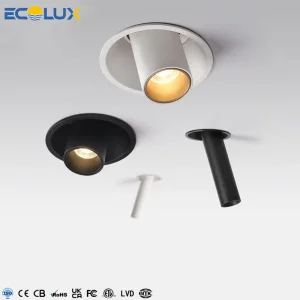
For international markets, products must carry safety marks. High-quality lighting products comply with TUV GS, CE, ROHS, LVD, EMC, and SAA requirements. These certifications assure engineers and importers that the luminaires comply with safety guidelines for electro-magnetic interference, low-voltage operation, and hazardous substance restriction.
This rigorous compliance framework ensures that the products are ready for deployment in highly regulated jurisdictions, including the European Union, Australia, and North America. This reduces the risk of customs border delays or project liability issues.
Industrial lighting systems must operate reliably in environments characterized by dust, moisture, chemical vapor, and physical impact. The versatility of IP66 and IP65 Tri-proof lighting units, along with heavy-duty ceiling and high bay fixtures, allows them to be used in various applications:
Tunnels, subways, aisles, and underground parking lots require continuous illumination in high-humidity environments. Tri-proof systems resist continuous vibration and moisture ingress, preventing premature electrical failure.
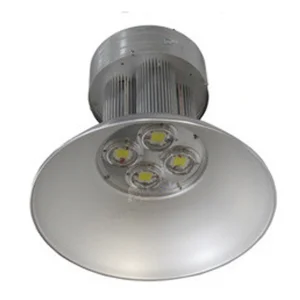
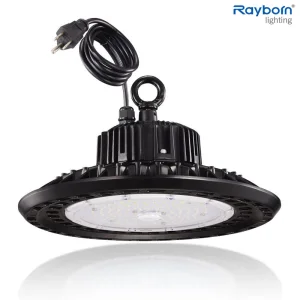
Assembly workshops, production workshops, and material warehouses need high-output, low-glare luminaires to ensure employee safety and visibility. 200W high bay fixtures provide uniform lux distributions to reduce fatigue and errors.
Saunas, bathrooms, kitchens, canteens, and bakeries subject lighting fixtures to airborne grease, steam, and high ambient temperatures. Specially sealed housings prevent moisture accumulation within the optical cavity.
Coal mines, petrochemical sites, and military barracks require explosion-proof classifications. Stainless steel linear tube designs with IK10 impact ratings protect against physical shocks and explosive gas mixtures.
Docks, river banks, bridges, squares, parks, and camping grounds expose fixtures to rain, salt spray, and extreme weather. Durable powder coats and silicone seal gaskets protect the internally integrated electronics.
Hospitals and sterile pharmaceutical warehouses demand smooth, easy-to-sanitize luminaire profiles that do not collect dust or contaminants, and can withstand chemical cleaning cycles.
Global sourcing managers must address several critical requirements when choosing an LED Cart Light manufacturer. High-value procurement decisions rely on customizability, pricing structures, quality testing, and capacity:
1. Customization (OEM/ODM): Global markets require highly differentiated configurations. An active R&D division must design and produce fixtures based directly on client-provided technical drawings or physical samples. Whether adjusting physical casing lengths, implementing particular drivers (e.g., MeanWell, Inventronics), or choosing specific CCT/wattage adjustable dip-switches, rapid prototyping is essential.
2. Cost & Optimization: By running dedicated injection, blister, and compression molding workshops, factories maintain close control over direct raw material costs. This structural efficiency translates to competitive pricing for high-end products, allowing purchasing agents to bypass intermediate traders and source directly from the factory.
3. Quality Verification: To ensure reliable field performance, buyers require validation metrics. Suppliers must verify output specs using on-site goniophotometer test files (.IES), thermal imaging, and IP testing.
4. Supply Stability: An annual production capacity exceeding 3 million sets ensures that supply lines remain open, even when sourcing for large municipal upgrades, multi-site distributions, or seasonal industrial demands.
As the industrial sector works to reduce carbon emissions and optimize operational efficiency, the mobile utility lighting segment is shifting toward several core technologies:
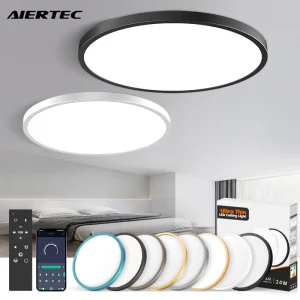
Intelligent Power Management & IoT Controls: Modern LED cart lights are moving toward integrating smart battery management systems (BMS) for cordless utility carts, alongside Bluetooth or Zigbee-enabled dimming controls. This allows operators to scale their power draw based on actual workflow needs.
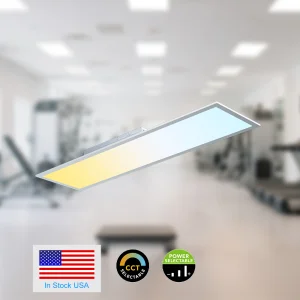
Multi-CCT and Variable Output Fixtures: Rather than stocking multiple fixtures for different tasks, installers prefer single-unit solutions featuring internal dip-switches. These switches allow field adjustment of color temperatures (3000K, 4000K, 5000K, 6500K) and wattage profiles. This versatility simplifies inventory management for global distributors.
High Efficacy and Environmental Safety: Standard 100 lm/W fixtures are increasingly replaced by premium high-efficiency units delivering up to 180 lm/W and 140 lm/W. Higher conversion efficiency means less heat generation and lower total energy consumption, aligning with ESG corporate goals.