A Comprehensive Industry Whitepaper on Global Procurement, Smart Integration, and Commercial Lighting Solutions
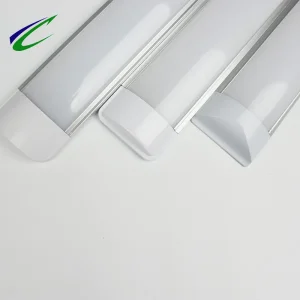
Featured High-Efficiency Lighting Solutions
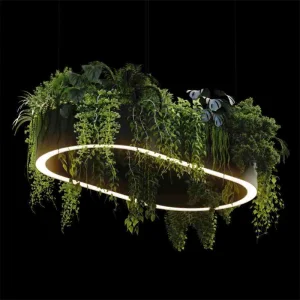
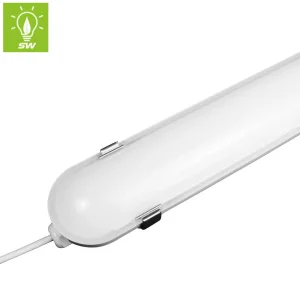
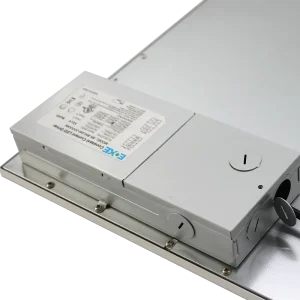
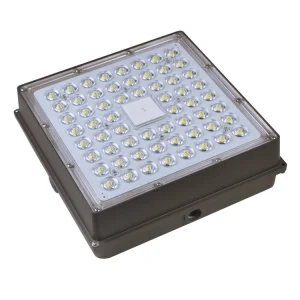
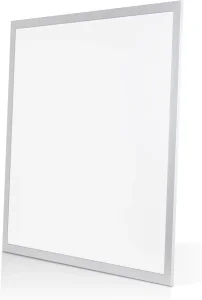
Discover our primary selection of industrial, architectural, and smart commercial LED products engineered for superior luminous efficacy and long-term durability.
An In-Depth Analysis of Technical Standards, Manufacturing Ecosystems, and Procurement Frameworks for Global Buyers
The global shift toward sustainable, high-efficiency commercial architecture has accelerated the deployment of solid-state lighting (SSL) technologies. Among these innovations, LED Panel Lights and heavy-duty Tri-proof linear lights represent the cornerstone of modern illumination infrastructure. Providing uniform visual layouts, reducing Unified Glare Ratings (UGR), and minimizing operational expenditures through enhanced thermal dissipation, these fixtures have become absolute requirements for corporate offices, healthcare facilities, warehouses, and hazardous industrial locations globally.
This whitepaper details the critical variables procurement directors, electrical engineering firms, and municipal developers must analyze when evaluating leading global exporters. By navigating core quality control benchmarks, examining regional manufacturing clusters, and mapping architectural application parameters, this guide serves as an authoritative framework to secure long-term procurement partnerships.
1. Evaluating Criteria for Top LED Panel Lighting Exporters
Choosing an industrial-grade supplier requires deep verification across several metrics that extend beyond simple unit costs. A world-class manufacturer must display continuous competency in the following areas:
Optical Performance and Luminous Efficacy: High-quality panel lights should achieve a minimum of 120 lm/W (lumens per watt), with premium variants exceeding 140 lm/W. Visual comfort dictates the integration of micro-prismatic diffusers to achieve UGR < 19, preventing visual fatigue and satisfying workplace safety standards.
Drivers and Semiconductor Durability: The lifespan of an LED system is directly correlated to the reliability of its driver unit. Top exporters provide certified flicker-free drivers (supporting 0-10V, DALI, or Zigbee/Tuya smart dimming protocols) that feature robust over-temperature, over-voltage, and short-circuit protections.
Thermal Management: Efficient heat dissipation prevents early chromaticity shift and maintains lumen maintenance (L70/B10 parameters). Die-cast aluminum frames and thick metal backing sheets act as optimized heat sinks, maintaining junction temperatures below critical levels.
China continues to lead the global supply chain for SSL components and complete luminaire assemblies. This dominance is not simply due to scale, but rather to highly specialized, vertically integrated industrial clusters. In provinces like Zhejiang and Guangdong, raw material processors, precision plastic injection molders, optical lens designers, and automated assembly plants operate in close proximity. This geographic density enables rapid product prototyping, tight quality control, and unparalleled logistics efficiency.
For example, our manufacturing hub located just 38 kilometers from the Port of Ningbo leverages this structural ecosystem. This strategic proximity reduces domestic transit delays, protects delicate electronic assemblies from extended inland transport vibrations, and enables direct maritime pathways to major hubs in Europe, the Americas, and the Asia-Pacific region. By utilizing automated surface-mount technology (SMT) and keeping raw component inventories close at hand, production lines can adjust dynamically to custom design alterations, ensuring quick lead times even for large B2B orders.
Vertical Integration
In-house injection molding, blister molding, and metal stamping lines optimize structural component yields, keeping defect rates near zero.
Advanced Photometrics
Darkroom facilities equipped with integrating spheres, spectrometers, and IP rating testers ensure precise, certified photometric files.
Global Certifications
Full compliance with international standards, backed by BSCI, ISO9001, TUV GS, CE, ROHS, SAA, and LVD certifications.
3. Customization & Technological Excellence
Standard off-the-shelf catalog fixtures are rarely sufficient for large architectural contracts. Custom spacing, retrofitting constraints, and variable environmental demands require a manufacturer with flexible engineering capabilities. Our R&D facility has developed extensive tooling processes, supporting customized solutions based directly on client drawings or physical samples:
Housing Fabrication Versatility: Using integrated injection molding, blister molding, and compression processes, we fabricate custom polycarbonate and aluminum housings in various shapes, lengths, and ingress protection levels.
Advanced Optical Design: We utilize advanced light guide plates (LGP) to ensure excellent light distribution, avoiding yellowing and maintaining color consistency.
Comprehensive Lab Testing: All structural and electrical configurations undergo rigorous validation in our state-of-the-art testing facility. This includes darkroom goniophotometer analyses, integrating sphere spectrum checks, and simulated high-pressure water testing to verify IP ratings.
4. Application Scenarios and Macro Industry Solutions
Modern commercial and industrial facilities present diverse environmental challenges. A one-size-fits-all lighting design often leads to early fixture failures and high maintenance costs. Understanding the physical layout of each space is essential when drafting lighting layouts:
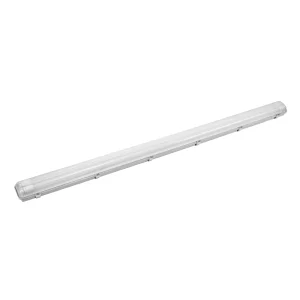
Industrial & High-Humidity Locations: Environments such as commercial kitchens, commercial saunas, chemical warehouses, and food processing plants expose fixtures to continuous moisture and airborne dust. In these spaces, IP65 and IP66 Tri-proof lights are critical. Their sealed structures prevent internal condensation, while smooth outer housings prevent dust accumulation, making cleaning and maintenance simple.
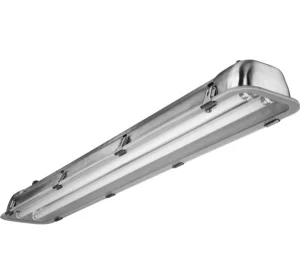
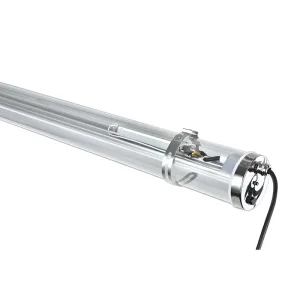
Hazardous Environments: Oil refineries, gas stations, mining corridors, and paint booths contain volatile gases or dust particles. Here, explosion-proof linear and high-bay fixtures are required. Engineered with impact-resistant glass, IK10 polycarbonate, and sealed internal electronics, these units contain any internal electrical spark, protecting the surrounding environment from potential ignition.
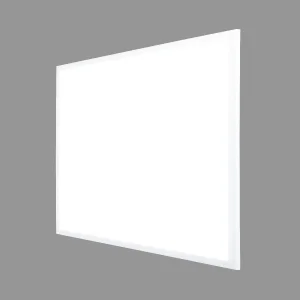
Commercial & Office Environments: Office spaces, educational institutions, and healthcare lobbies demand comfortable, high-quality light. Flickering light or high glare can reduce productivity and cause visual strain. Recessed edge-lit panel lights featuring low glare (UGR < 19) and high color rendering indexes (CRI > 80) provide comfortable, uniform illumination. Smart, integrated dimming options also allow facilities to align lighting outputs with natural daylight patterns, saving energy and supporting occupant well-being.
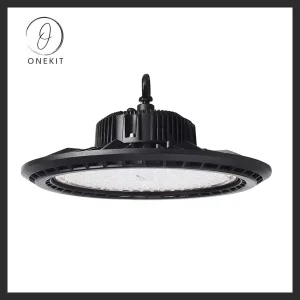
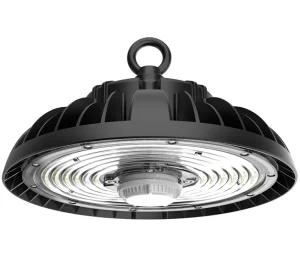
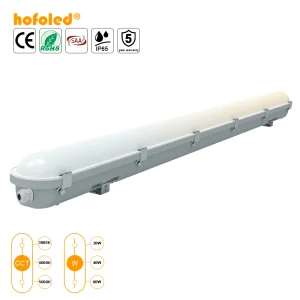
Industrial, Heavy-Duty & Smart Lighting Portfolio
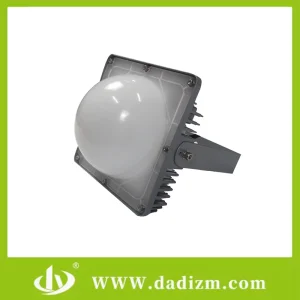
Examine our highly specialized fixtures designed to withstand harsh industrial conditions and integrate smoothly with modern smart building controls.
5. Future Technological Trends in commercial LED Architectures
The commercial lighting industry is moving beyond basic energy efficiency toward smart, integrated building ecosystems. We are tracking several key trends shaping this evolution:
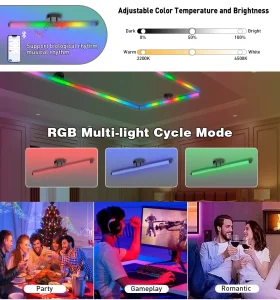
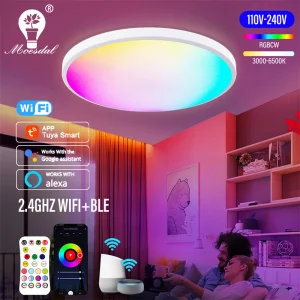
Smart Control Integration: Commercial lighting is increasingly integrated into wider Building Management Systems (BMS). Using wireless protocols like Tuya WiFi, Zigbee, or Bluetooth Mesh, facilities can group fixtures, schedule dimming, and track real-time energy usage through cloud dashboards.
Human-Centric Lighting (HCL): Research shows that adjusting light spectrums and color temperatures to match natural circadian rhythms improves worker focus and well-being. Modern panel fixtures feature tunable white technologies, allowing them to cycle from warm white (2700K) to cool white (6500K) throughout the workday.
Material Sustainability: Global environmental regulations are driving demand for fully recyclable, non-toxic components. Manufacturers are shifting to halogen-free wires, bioplastics, and easily disassembled designs to simplify recycling at the end of the fixture's life.
6. Global Procurement Requirements and Rigorous Quality Systems
Procuring lighting equipment for major infrastructure projects requires strict compliance with regional safety and quality certifications. Failing to verify these credentials can lead to project delays, customs rejections, or safety liabilities.
Our production facilities maintain comprehensive certifications, ensuring compliance with global regulatory standards:
BSCI (Business Social Compliance Initiative) audits verify ethical and fair labor conditions across our manufacturing lines, while our quality management system is certified to ISO9001:2000 standards. At the product level, our fixtures hold recognized testing marks, including TUV GS, CE, ROHS, LVD, and EMC. This complete set of certifications ensures smooth entry into European and international markets. Our annual sales reach 100 million RMB, demonstrating the consistent capacity and reliability of our manufacturing and supply chain systems.
7. B2B Procurement Q&A (FAQ)
What is the difference between IP65 and IP66 ratings in practical applications?
An IP65 rating indicates the fixture is dust-tight and protected against water jets from any angle, making it suitable for standard wet areas like commercial kitchens. An IP66 rating offers higher protection, resisting high-pressure water jets and heavy seas, which is essential for washdown zones, outdoor industrial yards, and marine environments.
How does your factory control housing quality and customization costs?
By operating our own injection, blister, and compression molding workshops, we eliminate third-party markup costs and maintain direct control over quality. This integration allows us to offer cost-effective customization for unique sizes, shapes, and materials while meeting strict quality requirements.
Why is a UGR < 19 rating important for office and educational environments?
Unified Glare Rating (UGR) measures the psychological glare of luminaires in an indoor space. A rating below 19 indicates minimal glare, which reduces eye strain, prevents headaches, and creates a more comfortable environment for long office shifts or classroom learning.
How does shipping location affect the overall cost and timeline of global orders?
Our location just 38 kilometers from Ningbo Port significantly reduces domestic transportation costs and loading times. This direct port access helps prevent transit delays, lowers export shipping costs, and ensures more reliable delivery schedules to international destinations.
 Ledlot Lighting