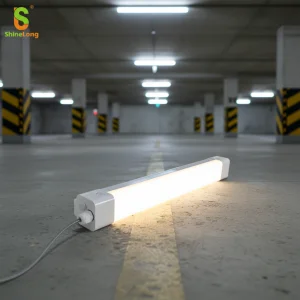
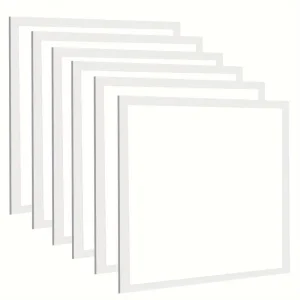
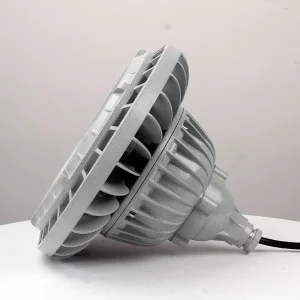
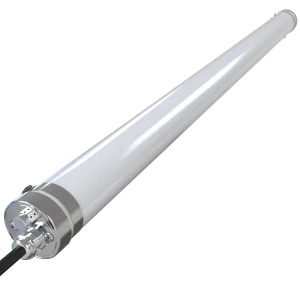
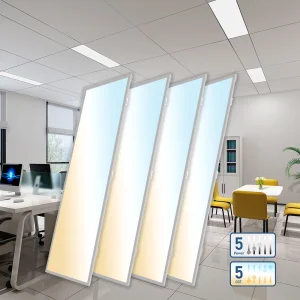
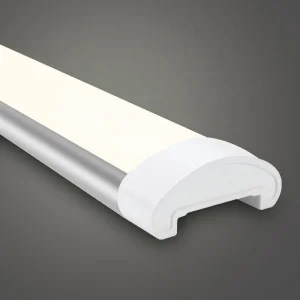
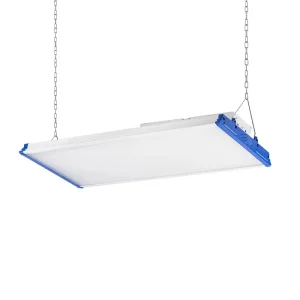
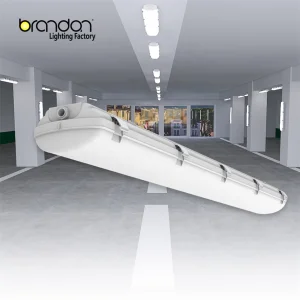
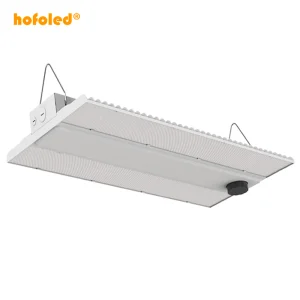
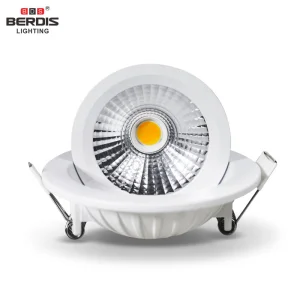
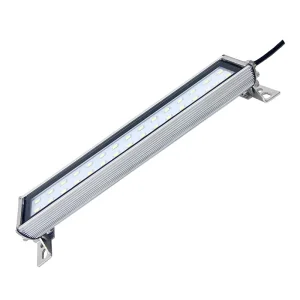
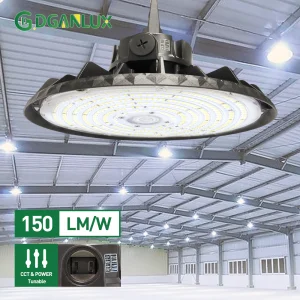
As infrastructure investments surge globally, architectural and industrial environments demand lighting solutions that merge operational durability with visual excellence. We represent a leading edge of Chinese lighting enterprises specializing in the research, development, custom tooling, and international distribution of advanced IP66 and IP65 Tri-proof luminaires, alongside high-performance indoor and outdoor architectural systems.
By aligning scientific management principles under our core philosophy—"Credit from Sincerity, Business from Quality, People First"—we inject persistent technological refinement into every luminaire we manufacture. Backed by a passionate, multi-disciplinary engineering team and automated testing structures, we serve the high-end commercial, hazardous industrial, and municipal infrastructure sectors globally.
3M+
Annual Sets Produced
$100M+
Annual Turnovers
38km
To Ningbo Port
UGR < 19
Visual Comfort Target
Vertical Manufacturing & Photometric Verification
Uncompromised reliability is not claimed; it is measured. Our high-tech manufacturing campus features an independent mold design and R&D center alongside fully integrated production lines. We control quality vertically through proprietary injection molding, blister molding, and heavy compression tooling processes. This allows us to craft custom luminaire housings of varying shapes, lengths, and highly specialized polymers depending on project requirements.
To guarantee optical precision and thermal longevity, we utilize our state-of-the-art laboratory facility. Equipped with an in-house darkroom, integrating sphere spectrometers, and high-precision goniophotometers, we test color rendering indexes (CRI), color consistency (SDCM), and luminous efficacy under strict ambient conditions. Furthermore, our environmental stress chambers conduct real-time IP waterproof testings, salt spray anti-corrosion validations, and thermal shock profiles to guarantee that every batch thrives under pressure.
BSCI & ISO9001 Audited
Our operations comply with global supply chain ethical standards and quality management systems, assuring supply chain transparency.
Rigorous Testing Protocol
In-house integrating spheres, darkrooms, and advanced IP chambers ensure LDT/IES data precision and physical structural reliability.
TUV GS & CE Certified
Fully certified under international regulatory frameworks including CE, ROHS, SAA, LVD, and EMC for seamless project deployment.
Architectural LED lighting must adapt to the physical constraints and chemical exposures of real-world installations. Our specialized IP65 and IP66 product portfolios are engineered to deliver targeted illuminance inside diverse architectural microclimates and rugged industrial zones.
Designed to comply with sanitization protocols, our NSF-certified tubular PMMA lights utilize 316 marine-grade stainless steel components. They resist biological accumulation, withstand aggressive high-pressure washdowns (IP69K), and inhibit chemical etching from chlorine-based cleaning agents.
Heavy Transit Infrastructure (Tunnels, Subways, Bridges, Underpass Vaults)
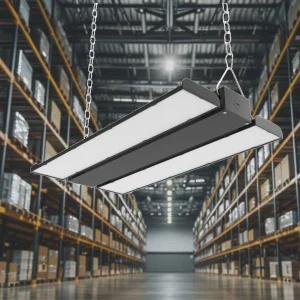
Subjected to exhaust soot and high-frequency structural vibration, municipal traffic arteries require heavy-duty linear lighting. We build linear systems with custom-extruded engineering plastics and silicone seals that absorb shock, resist moisture ingress, and offer asymmetrical optics to optimize driver vision index.
Corrosive & Heavy Moisture Zones (Swimming Pools, Saunas, Marine Docks)
Chlorinated atmospheres and saline moisture accelerate corrosion in typical fixtures. We deploy hermetically sealed polycarbonate structures featuring anti-UV stabilizers and high-tensile fasteners to protect the LED chips and power drivers from humidity-induced thermal decay.
Industrial & Hazardous Facilities (Coal Mines, Chemical Depots, Heavy Assembly Workshops)
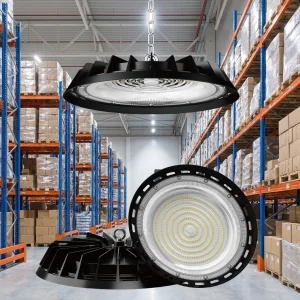
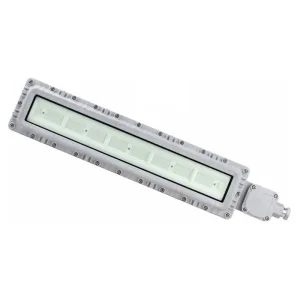
Equipped with explosion-proof linear emergency technology and high-power UFO high bays, these systems feature advanced heat dissipation pathways (thermoelectric separation) to lower surface operating temperatures, preventing ignition risks in volatile dust or vapor areas.
Future Horizons: Technical Megatrends in Architectural LED Systems
The global lighting industry is moving beyond basic illumination to prioritize digital energy conservation, ecological protection, and human comfort. We actively integrate these macro industry trends within our core engineering practices:
1. Human-Centric Lighting (HCL) and CCT Tunability: By developing CCT tunable and dimmable engines, our fixtures adjust their color spectrum dynamically. This mimics natural light rhythms, supporting health and productivity in commercial offices and clinical spaces.
2. Smart System Integration & IoT protocols: Modern luminaires function as nodes in building automation. We offer smart drivers compatible with DALI-2, 1-10V, Zigbee, and Casambi interfaces, enabling daylight harvesting, occupancy sensing, and predictive maintenance.
3. Ultra-High Optical Efficiency: As energy costs rise, achieving higher lumen-per-watt ratios is critical. By combining high-grade SMD2835 and COB light sources with optimized thermal paths, we deliver up to 180 Lm/W efficiency, slashing energy draw by up to 60%.
Architectural & Special Purpose Lighting Systems
Explore our custom backlit panel systems, linear office installations, and emergency illumination solutions.
Key insights to guide engineers, lighting designers, and global procurement managers.
Q1:
What parameters differentiate IP65, IP66, and IP69K classifications in architectural settings?
IP65 ensures protection against low-pressure water jets from any direction. IP66 elevates this protection to withstand high-pressure water jets, making it suitable for exposed bridge structures and subways. IP69K is designed for high-pressure, high-temperature washdowns (up to 80°C and 100 bar pressure), typically required in food processing and pharmaceutical cleanrooms to maintain strict hygiene standards.
Q2:
How does your R&D team optimize thermal management for high-bay and linear lighting systems?
We use specialized heat sinks made of extruded aluminum (ADC12) and configure advanced thermal separation pathways on the metal-core PCBs. By placing the LED driver in a separate compartment, we prevent cumulative heat buildup. This design limits junction temperatures to below 75°C, ensuring a stable, 50,000-hour operational lifespan.
Q3:
What customization options are available for your LED fixtures?
Thanks to our in-house injection, blister, and compression molding capabilities, we offer extensive OEM and ODM services. Clients can customize housing materials (PC, PMMA, or Stainless Steel), input voltage ranges (100-277Vac or 24Vdc), dimming interfaces (DALI-2, 1-10V), beam angles (asymmetric or symmetric), and color indices (CRI > 80 or 90).
Q4:
How do you guarantee international compliance for exports to Europe and the Americas?
Our company is ISO9001:2000 and BSCI audited. Our full product line is certified under major international frameworks, including TUV GS, CE, ROHS, SAA, LVD, and EMC. These certificates are renewed and updated annually to align with changing environmental regulations and low-voltage directives.
Q5:
What materials are selected for luminaires installed in highly corrosive environments?
For chemical storage facilities, pools, and marine environments, we construct housing covers using PMMA or UV-stabilized polycarbonate polymers. This prevents yellowing and resists chemical erosion. We also use 316-grade stainless steel clips and brackets, which offer superior resistance to salt spray and chlorine gas compared to standard steel.
Q6:
How does your factory location benefit international logistics?
Our factory is located just 38 kilometers from Ningbo Port, one of the world's primary shipping hubs. This proximity simplifies inland logistics, shortens shipping times, lowers overall freight costs, and allows for rapid customs processing and container loading.
Q7:
Can you provide photometric profiles (IES/LDT files) for architectural planning?
Yes. Our in-house laboratory features a darkroom and integrating sphere spectrometer that generate precise photometric profiles, which we distribute in standardized IES and LDT formats. Lighting engineers and architects can integrate these profiles directly into Dialux or Relux software to run light level calculations and ensure project compliance before ordering.
Q8:
What is your annual manufacturing capacity for large-scale projects?
We maintain an annual production capacity of 3 million sets of luminaires, with annual sales reaching 100 million. This high capacity allows us to fulfill large commercial orders while keeping lead times consistent, even during peak production seasons.
 Ledlot Lighting