Decarbonization, Safety Compliance, and the Structural Logic of Linkable LED Technology in New Zealand
Industrial sectors in New Zealand are experiencing a profound transition driven by both rising electricity tariffs and the government's ambitious Net Zero 2050 commitments under the Climate Change Response Act. Consequently, the demands placed on commercial lighting systems have advanced far beyond basic illumination. Today, system designers, project managers, and procurement leads must identify building solutions that maximize luminous efficacy while strictly complying with the rigorous regulatory frameworks of Australia and New Zealand (AS/NZS).
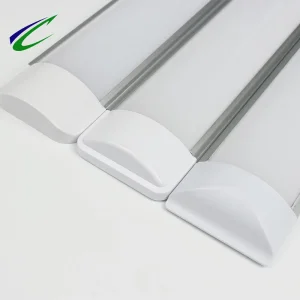
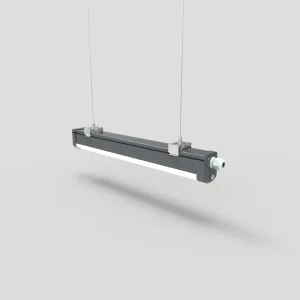
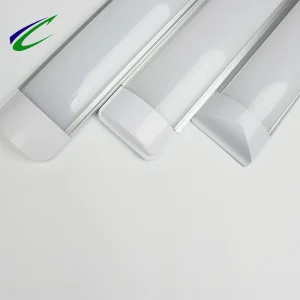
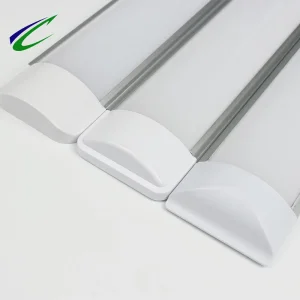
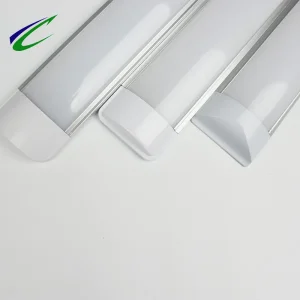
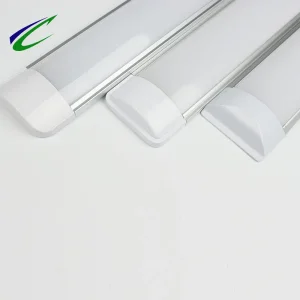
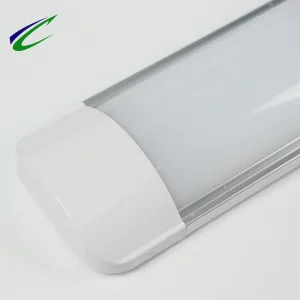
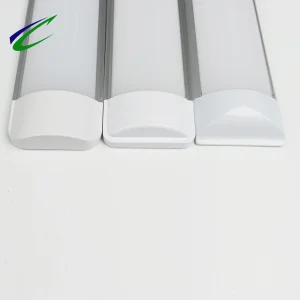
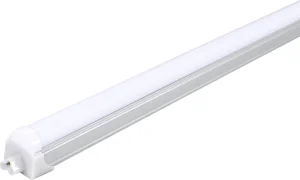
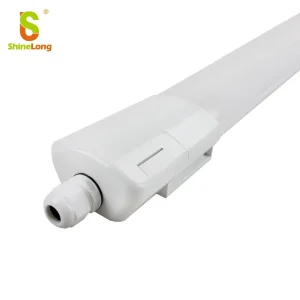
Linkable LED Tri-proof Tubes represent the state of the art in tough, dustproof, and moisture-resistant fixtures. Engineered to form continuous runs of linear lighting from a single power source, these systems bypass the costly wiring procedures that typically burden large-scale developments. In New Zealand, where electrical labor costs command a substantial premium, selecting a highly optimized linkable linear luminaire directly influences the financial viability and payback speed of capital upgrade programs.
1. The New Zealand Industrial Lighting Landscape & Operational Realities
New Zealand's commercial and primary production spaces operate under specific geographic and climatic conditions. High humidity, coastal salinity, extreme UV indices, and constant dust exposure represent typical operational challenges. For instance, the dairy processing plants of the Waikato, the aquaculture facilities in Marlborough, and the cold storage spaces in Canterbury demand fixtures that are structurally resilient against corrosive atmospheres, high-pressure sanitization washdowns, and ambient temperatures spanning from -30°C up to +50°C.
Furthermore, New Zealand's building designs must consider seismic safety (NZS 4219). Lightweight, continuous-line lighting setups reduce the load on suspended ceilings and simplify the structural wire rigging required to withstand seismic motion. Our linkable series incorporates high-tensile mounting clips, durable polycarbonate housings, and reinforced wiring pathways to prevent mechanical failure during earth movements.
2. Engineering Compliance: AS/NZS Standard Optimization & Safety Rulings
Entering the New Zealand distribution loop requires absolute adherence to local electrical standards. As a premier exporter, our research and development center prioritizes certifications that confirm reliability and ease regional compliance steps for local engineers:
AS/NZS 60598.1 & 60598.2.1: Design standards validating the physical safety, electrical insulation, and impact resistance of linear batten luminaires.
SAA Approval & RCM Mark: Fully certified driver configurations ensuring mains-power compatibility across the standard Oceania 230V/240V 50Hz grid systems.
EMC & LVD Compliance: Low electromagnetic emission designs that prevent interference with farm telemetry, wireless communication equipment, and sensitive food-grade automation machinery.
IP65 & IP66 Classifications: Real-world protection against high-pressure water jets and ultra-fine particulate ingress, verified through internal dust chambers and automated water pressure test bays.
3. Slashing Installation Labor Costs via Loop-Through Architecture
Electrician labor rates in major New Zealand cities average between $80 to $120+ NZD per hour. Traditional point-to-point lighting layouts require individual junction boxes, extensive conduit runs, and individual cable stripping for every single light fixture. This approach is highly inefficient for large logistics depots or multi-level underground parking zones.
Our quick-connect loop-through system completely reimagines this process:
Integrated Double-Ended Wiring: Pre-wired internal links allow daisy-chaining of up to 15-20 fixtures (depending on total wattage) from a single active circuit breaker.
Toolless Internal Terminal Blocks: Push-in connection systems eliminate the need for screwdrivers and reduce the time required to secure wiring configurations.
Sub-3-Minute Installation Times: Field tests show that our linkable fittings cut total installation time by up to 70% compared to traditional single-unit waterproof fixtures. This provides direct capital cost savings for developers.
4. Material Integrity & Chemical Resistance in Agricultural & Marine Environments
The chemical makeup of standard lighting materials can fail rapidly in demanding environments. Standard Polycarbonate (PC) shell designs can yellow and crack when exposed to the ambient ammonia vapors of dairy farms or the acid-base sanitation detergents used in commercial food kitchens.
To address this issue, we utilize advanced co-extrusion technology, combining impact-resistant PC bases with high-performance PMMA or specialized chemical-grade PC diffusers. This selection guarantees that our housings remain structurally sound and free from micro-cracking even after years of chemical washdowns, UV exposure, and thermal cycling.
5. Factory 4.0: Supply Chain Resilience, Custom Tooling, and Global Logistics
Our automated manufacturing facility integrates advanced production practices to ensure consistent quality and reliable global supply:
In-House Tooling and Injection Workshops: We operate a comprehensive mold R&D center, allowing custom housing lengths, bracket orientations, and logo printing without relying on external suppliers.
Advanced Optoelectronic Testing: Every batch undergoes testing using our integrating sphere spectrometers and photogoniometers, ensuring accurate color rendering indices (CRI) and luminous efficiency (up to 140 lm/W).
Rigorous Environmental Testing: In-house darkrooms, IP rain test chambers, thermal chambers, and aging racks verify long-term performance under simulated harsh conditions.
Logistical Efficiency: Located just 38 kilometers from Ningbo Port, we offer direct shipping options to the ports of Auckland, Tauranga, and Lyttelton. This proximity reduces transit times and minimizes container transport costs.
Verified Quality Metrics
3,000,000+
Annual Production Capacity (Sets)
100M+ RMB
Annual Commercial Group Sales
38 KM
Distance to Ningbo Deepwater Port
IP66 / IP65
Certified Environmental Rating
BSCI & ISO9001
System & Social Compliance Standards
Request Technical Consultation
Get a complete system design estimate, custom photometrics, and factory-direct pricing for your next project.
Optimized Performance Across New Zealand Industries
How our linkable Tri-proof fittings address specific physical environments and performance requirements across regional sectors.
Dairy & Agricultural Sheds
Designed to withstand daily chemical washdowns and heavy ammonia exposure. Featuring IP66 seals and impact-resistant materials to maintain high light output and support daily farm operations.
Cold Chain Logistics
Equipped with high-performance low-temperature drivers that ensure rapid startup, high system efficiency, and stable lumen output in sub-zero storage facilities down to -30°C.
Underground Parking
Featuring integrated linkable runs and built-in corridor function sensors. This setup minimizes energy consumption during low-occupancy hours in public parking structures.
Marine & Coastal Facilities
Protected by corrosion-resistant external components and 316-grade stainless steel clips. These fittings resist saltwater mist corrosion in coastal warehouses and wharf structures.
Extended Product Matrix
Complete High-Efficiency Specification Options
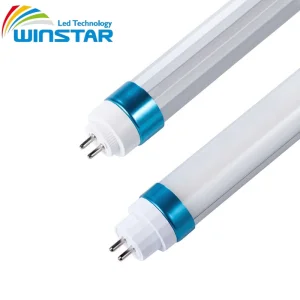
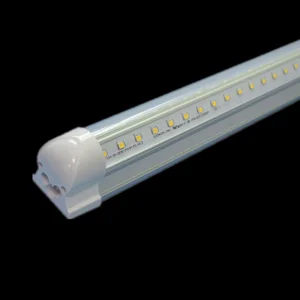
From heavy industrial vapor-tight fixtures to high-efficiency linear tubes, our solutions meet diverse project specifications.
Clear answers to technical, regulatory, and logistics questions commonly asked by New Zealand engineers and supply managers.
Q1: How do these linkable LED Tri-proof lights comply with AS/NZS electrical standards?
Our fixtures are specifically engineered and tested to satisfy AS/NZS 60598.1 and AS/NZS 60598.2.1 requirements. The internal drivers carry SAA certification and are approved to bear the Regulatory Compliance Mark (RCM). We provide comprehensive compliance folders, including EMC test reports, to simplify the council sign-off process for local installations.
Q2: What is the maximum number of fixtures that can be linked in a single run?
The maximum linkage capacity depends on the wattage of the chosen model and the circuit protection limits. For our standard 40W fixtures operating on a typical 230V commercial circuit, you can link up to 15 to 20 units in a single continuous line. Each run is supported by heavy-duty internal copper bus wiring to prevent voltage drop and excessive temperature buildup.
Q3: How does the co-extruded plastic configuration protect against ammonia in dairy applications?
Typical polycarbonate housings degrade and crack when exposed to ammonia fumes from animal waste and dairy washdowns. Our specialized agricultural fittings feature co-extruded PMMA/polycarbonate housings. The outer layer provides high chemical resistance, preventing structural deterioration and ensuring the fixture remains sealed and operational over its service life.
Q4: What is the typical lead time from your factory to major ports in New Zealand?
Our manufacturing facility is located just 38 kilometers from Ningbo Port, enabling rapid container loading. Standard production schedules range from 20 to 30 days. Direct sea freight routes from Ningbo to Auckland or Tauranga average 18 to 25 days, allowing us to deliver bulk orders efficiently to support project timelines.
Q5: Are replacement drivers and parts readily available for long-term maintenance?
Yes. We design our fixtures with maintenance in mind, utilizing standardized driver footprints. While our high-efficiency LED modules are built for a service life exceeding 50,000 hours, replacement drivers and gear trays can be swapped out easily without requiring complete disassembly of the linear housing.
Ready to Optimize Your Project's Energy Efficiency?
Contact our technical engineering team for SAA compliance documents, custom photometric plans (IES files), and volume discount pricing for commercial developments.
 Ledlot Lighting