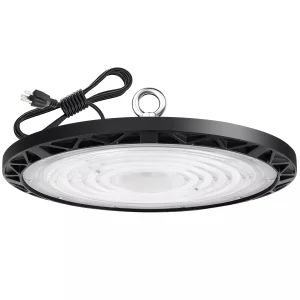
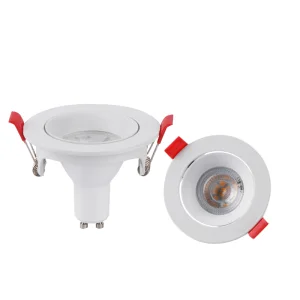
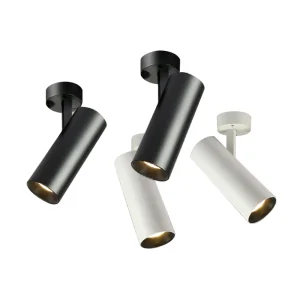
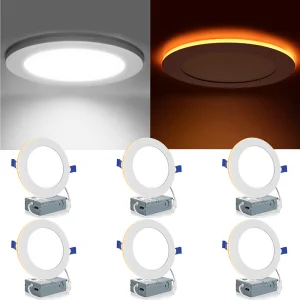
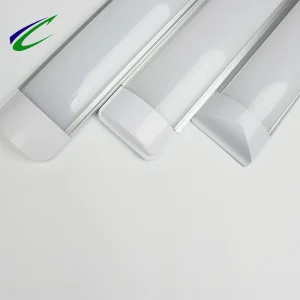
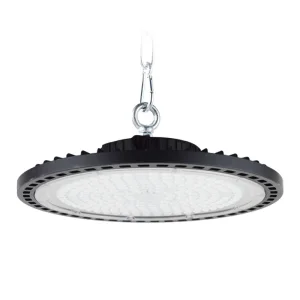
Engineered for extreme performance, structural resilience, and long-term durability in commercial and industrial settings.
An in-depth analysis of battery intelligence, optoelectronic testing, and manufacturing paradigms driving next-generation utility lighting.
In the contemporary B2B procurement environment, selecting a manufacturing partner for USB rechargeable LED lights and industrial ceiling luminaires requires more than comparing simple price quotes. Global enterprise buyers require comprehensive structural integrity, advanced energy efficiency, and a transparent, highly regulated supply chain. At Ledlot Lighting, we merge scientific management paradigms with cutting-edge optical engineering. Adhering to our core philosophy—"Credit from Sincerity, Business from Quality, People First"—we continuously invest in state-of-the-art testing equipment and automated production methods to support operations in Europe, America, Southeast Asia, Australia, the Middle East, and Africa.
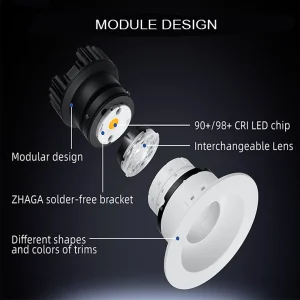
Modern rechargeable systems are moving rapidly toward Type-C charging architectures, intelligent Battery Management Systems (BMS), and highly integrated light engines. Our manufacturing facility combines independent mold research with complex plastic injection and blister molding technologies. This ensures that every high-performance tri-proof lamp, LED high bay, and rechargeable task light delivers maximum output under harsh conditions. With an annual production capacity reaching 3 million sets and annual sales exceeding 100 million RMB, we guarantee both supply security and compliance for high-volume contract sourcing.
How localized resource integration and direct access to Ningbo Port optimize pricing and delivery times.
By operating our own injection, blister, and compression molding workshops, we control the cost and quality of our luminaire housings. This reduces reliance on third-party suppliers and minimizes manufacturing variations.
Located just 38 kilometers from Ningbo Port, we offer highly efficient domestic logistics. This allows for rapid container loading, lower inland transport fees, and streamlined sea freight shipping around the world.
Being embedded in the Zhejiang industrial cluster gives us direct access to raw components, raw polycarbonate, premium LED chips, and high-density lithium batteries. This structural advantage lowers unit costs for high-volume OEM contracts.
Exposing our products to rigorous testing standards ensures they meet local building codes and workplace safety laws.
Navigating global regulatory frameworks requires systematic testing and industry certifications. B2B buyers must ensure their imported products conform with environmental, health, and electrical standards. To provide absolute reliability, Ledlot Lighting has established a complete certification and quality control process:
Furthermore, our facility houses an independent optoelectronic laboratory. By utilizing tools like integrating sphere spectrometers, IP water tightness test rigs, and darkroom goniophotometers, we ensure our lumen-per-watt performance and mechanical durability are verified in-house before shipping.
Engineered to withstand dust, moisture, impact, and chemical exposure in both commercial and municipal sectors.
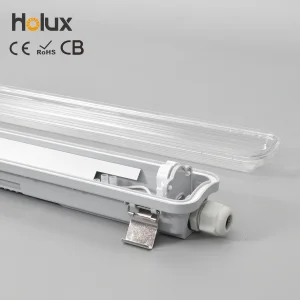
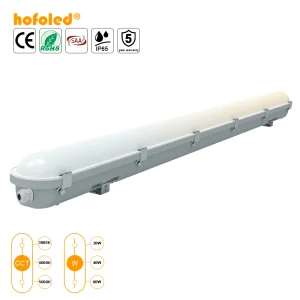
Our IP65 and IP66 tri-proof fixtures are designed for saunas, kitchens, canteens, hospitals, and bakeries where high humidity and regular washdowns are common.
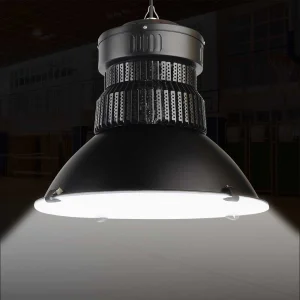
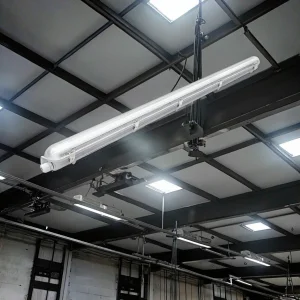
Designed for heavy assembly lines, raw material warehouses, and workshops where dust, continuous vibration, and drop hazards are present daily.
Provides durable performance in tunnels, coal mines, subways, river docks, underground parking structures, and bridges where constant moisture and vibration are factors.
How battery technologies, green energy initiatives, and custom optical features are changing B2B lighting specifications.
The global portable lighting sector is experiencing a transition driven by efficiency demands and environmental mandates. Standard alkaline batteries are being phased out in favor of high-capacity USB lithium-ion and LiFePO4 cells. These rechargeable systems lower long-term operating costs and reduce hazardous chemical waste.
Additionally, the adoption of Type-C USB charging protocols allows for universal charging setups. This means field crews can recharge their equipment using standard vehicle ports, laptops, or central industrial power hubs. In response to these shifts, modern R&D departments are focusing on advanced features like adjustable beam angles, selectable color temperatures (CCT), and intelligent light-output profiles. These custom designs improve battery life and allow users to tailor their lighting to specific task requirements.
Answering common questions from B2B buyers, procurement specialists, and global importers.
We operate fully equipped in-house workshops for injection, blister, and compression molding. This vertical integration allows us to build housings to our customers' exact specifications for shape, length, and material composition. It also helps us control costs and maintain consistent quality across large-production runs.
Our fixtures are verified to IP65, IP66, or IP68 standards and include structural impact protection up to IK08. Every production run undergoes automated IP chamber testing and physical drop-testing (including our certified 0.63m Drop Test) to ensure they withstand harsh field conditions.
Our darkroom is equipped with an integrating sphere spectrometer that measures luminous flux, color rendering index (CRI), color temperature (CCT), and luminous efficacy. This equipment generates reliable IES files, providing engineers and lighting designers with accurate performance data.
Backed by a professional R&D team, we can engineer custom products from physical samples or technical CAD files. This includes altering circuit topologies, modifying housing designs, adjusting CCT ratings, and integrating specific USB battery capacities.
From ceiling downlights to commercial high bays—engineered to deliver reliable output across diverse facilities.