Top 10 Dimmable LED Floodlight Supplier & Exporter
Industrial-Grade Reliability, Localized Regulatory Compliance, and Global OEM/ODM Supply Chain Integration
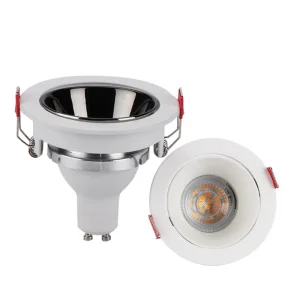
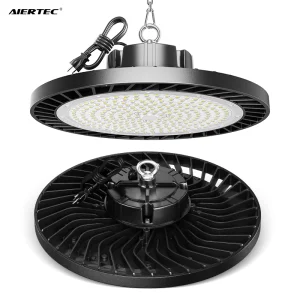
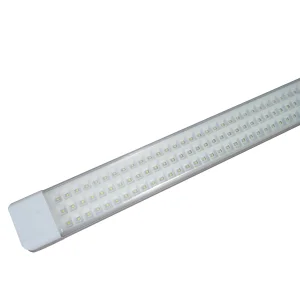
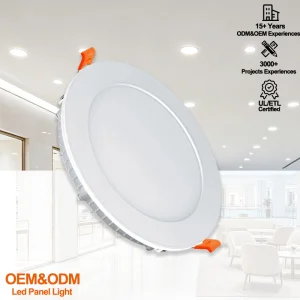
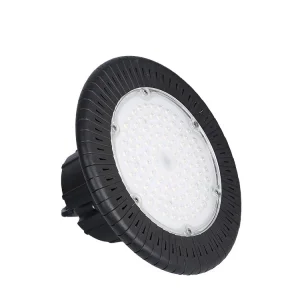
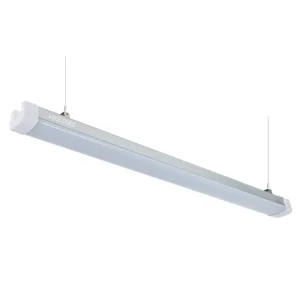
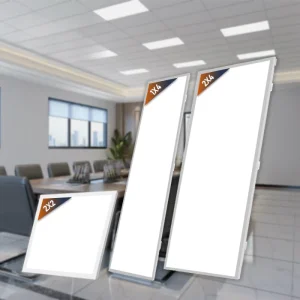
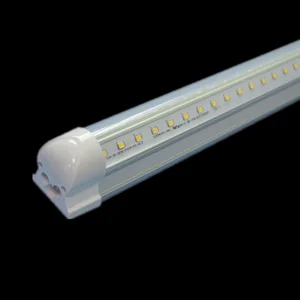
Featured High-Efficiency Commercial & Industrial Luminaires
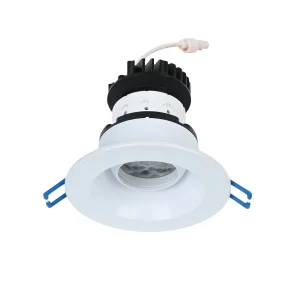
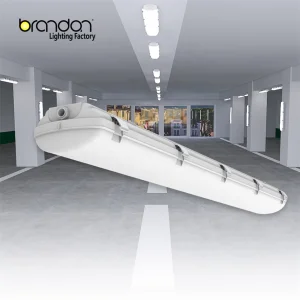
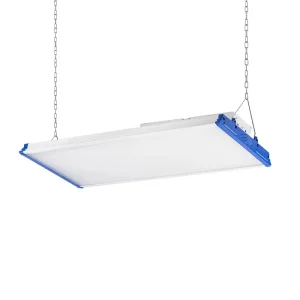
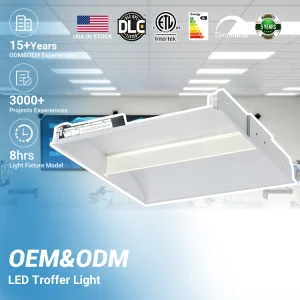
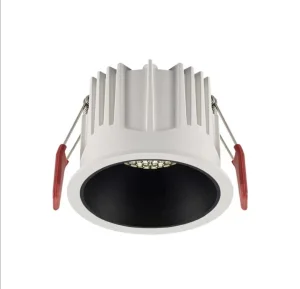
Explore our core collection of high-performance architectural downlights, commercial panels, and robust tri-proof linear models engineered for precision control and maximum energy yield.
Executive Summary: The Strategic Evolution of Dimmable LED Floodlighting
In modern industrial, commercial, and outdoor infrastructure, lighting is no longer treated as a static utility. The global transition toward intelligent energy management systems has positioned dimmable LED floodlights at the intersection of structural safety, environmental sustainability, and functional automation. As top-tier manufacturers and exporters, we specialize in high-efficiency solid-state lighting fixtures, engineered to deliver not only high luminous efficacy but also precise dimming control compatibility (0-10V, DALI-2, and Triac systems).
This industry whitepaper explores the critical engineering parameters, supply chain advantages, and regulatory compliance structures that international procurement managers must evaluate when selecting a manufacturing partner in China. By aligning independent optical R&D with certified manufacturing standards, we deliver scalable solutions designed to endure harsh environments while offering significant energy savings and operational flexibility.
3M+
Annual Sets Capacity
100M+
Annual Sales (RMB)
38 KM
Distance to Ningbo Port
100%
Quality Assured Testing
Why Global Enterprises Specify Dimmable LED Infrastructure
Decarbonization, Total Cost of Ownership (TCO), and human-centric design require advanced dimming protocols in industrial fixtures.
1. Energy Savings & Decarbonization
Integrating dimming functionality allows facilities to reduce energy usage during off-peak hours or integrate harvesting systems. This lowers overall carbon footprint while extending the operational lifespan of the LED driver components.
2. Thermal Management & Durability
Operating fixtures at dimmed levels reduces thermal stress on both the LED array and the driver circuit. Our robust thermal dissipation housings keep junction temperatures well below critical thresholds.
3. Adaptive Visual Environments
From high-contrast production lines to secure logistics yards, dimmable luminaires adapt to precise lux-level requirements. They support workplace comfort, reduce glare, and optimize visibility based on real-time task needs.
Vertical Integration: The Chinese Manufacturing & Supply Chain Advantage
Our manufacturing complex represents the peak of vertically integrated production in the Zhejiang lighting cluster. By keeping core processes in-house, we eliminate intermediate supply chain margins and maintain strict quality control at every phase of assembly.
Advanced Tooling and Mold Engineering
We operate an independent mold research and development center alongside our specialized injection molding, blister molding, and compression molding workshops. This complete tooling capability allows us to configure lamp housings to custom geometries, dimensions, and materials (including impact-resistant polycarbonate, heavy-duty PMMA, and marine-grade die-cast aluminum ADC12). Whether our clients require specific linear designs or robust circular housings, our engineering team translates technical drafts and physical samples into high-performance components.
Strategic Logistical Position: Located just 38 kilometers from Ningbo Port, one of the world's premier deep-water container hubs, we ensure rapid transit to major international corridors. This close proximity translates directly to lower inland freight costs, streamlined customs processing, and predictable lead times for critical industrial projects.
Rigorous Photometric and Environmental Testing
Our commitment to E-E-A-T (Experience, Expertise, Authoritativeness, and Trustworthiness) is backed by our dedicated testing facility. We do not rely on third-party estimates; instead, we verify every production batch using advanced testing instruments:
Integrating Sphere Spectrometers: Delivering exact measurements of luminous flux, color rendering index (CRI), color temperature consistency (SDCM), and overall luminous efficacy.
Darkroom Goniophotometer Testing: Providing precise polar curves and IES/LDT files to support structural lighting designs for engineering projects.
IP Waterproof and Dust Chambers: Testing our IP65 and IP66 tri-proof fixtures under high-pressure water jets and dense particulate environments to guarantee sealing performance.
Comprehensive Localization Support & Global Compliance Framework
Operating across international markets requires strict adherence to localized safety and electrical codes.
To support global supply chains, our production lines and finished goods conform to international regulatory and quality control standards. We maintain a robust compliance system that is updated annually to meet changing market requirements:
European Markets
Full compliance with CE (LVD & EMC directives), RoHS for environmental safety, and GS (Geprüfte Sicherheit) certifications for demanding German and North European industrial installations.
Oceania & Americas
ETL and DLC-compliant configurations for North American commercial incentives, alongside SAA certification to meet Australian electrical safety standards.
Social & Quality Auditing
Our factory operates under BSCI (Business Social Compliance Initiative) and ISO9001:2000 quality management system certifications, ensuring ethical labor practices and consistent output quality.
This compliance structure allows our partners to import, distribute, and install our fixtures with complete regulatory confidence. By reducing compliance bottlenecks, we help speed up time-to-market for municipal lighting upgrades, commercial developments, and industrial retrofits.
Localized Application Scenarios: Engineered for Extreme Conditions
From chemical moisture to high-impact physical settings, our IP65 and IP66 tri-proof and dimmable fixtures perform reliably under demanding conditions.
High-Humidity Facilities
Designed for commercial bathrooms, saunas, kitchens, and industrial bakeries. Complete protection against moisture entry and corrosion from airborne grease and steam.
Hygienic Environments
Ideal for hospitals, clinical preparation areas, and school canteens. Easy to clean and sanitize with smooth, dust-resistant outer housings.
Heavy Industrial & Mining
Suitable for military barracks, raw material warehouses, production shops, and coal mines where durability under vibration and continuous operation is required.
Municipal Infrastructure
Used in public plazas, pedestrian areas, tunnels, metro platforms, and underpasses where dust, vehicle emissions, and moisture are constant challenges.
Transit Hubs & Parking
Engineered for large underground parking garages, railway transit lanes, toll stations, and river docks exposed to variable weather.
Outdoor & Recreation
Providing robust lighting for parks, swimming pool areas, outdoor athletic tracks, and remote camping facilities requiring low-voltage and dimmable options.
Industry Trends: The Future of Smart Dimmable LED Floodlighting
As the smart lighting market evolves, the technical requirements for commercial and industrial floodlights are shifting. Procurement professionals should consider these three major trends when selecting lighting hardware:
1. Integration of IoT Protocols and Wireless Control
Traditional wired dimming systems (such as 0-10V analog wiring) are increasingly being replaced by wireless protocols like Zigbee, Bluetooth Mesh, and Casambi. Modern dimmable drivers are designed with auxiliary power supply ports (typically 12V DC) to support external sensors and nodes. This allows for simple retrofitting of smart controls without redesigning the core fixture.
2. Multi-Spectral and CCT Tunability
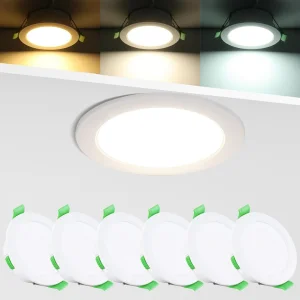
Fixed color temperatures are being replaced by selectable CCT (Correlated Color Temperature) and adjustable wattage drivers. Multi-CCT technologies (such as 3CCT and 5CCT systems) allow installers to adjust color temperatures (from warm 3000K to cool 6500K) at the point of installation. This reduces inventory SKUs for distributors while providing end-users with personalized lighting control.
3. Circular Economy and Serviceable Modular Design
Environmental standards now place greater emphasis on the serviceability of industrial electronics. Instead of sealed, single-use designs, modern fixtures feature modular LED engines and drivers that can be replaced in the field. This extends the mechanical lifespan of the aluminum housing, reduces electronic waste, and lowers lifetime maintenance costs for facility operators.
Frequently Asked Questions (FAQ)
Technical clarifications on dimming technologies, custom options, compliance, and logistics.
What dimming protocols are compatible with your industrial LED floodlights?
Our fixtures can be configured with various dimmable drivers, including 0-10V/1-10V analog dimming, DALI-2 digital control interfaces, and Triac phase-cut dimming. We match the driver specification to your project requirements to ensure smooth dimming performance without flicker or audible noise.
How does your factory control housing quality for coastal or high-corrosion sites?
We use high-grade ADC12 die-cast aluminum alloys treated with multi-stage powder coating processes to resist oxidation. For high-humidity locations, our injection-molded and blister-formed polycarbonate housings offer complete immunity to salt and moisture corrosion.
Do you support full OEM and ODM customization?
Yes. Supported by our internal R&D team and tooling facility, we develop custom configurations based on your technical drawings or physical samples. This includes adjusting beam angles, modifying housing lengths, customizing brackets, and integrating specific driver brands.
What certifications do your fixtures carry for European and North American projects?
Our manufacturing plant is BSCI audited and ISO9001 certified. Our product lines hold certifications including TUV GS, CE, RoHS, LVD, and EMC for Europe, alongside ETL and DLC compatibility options for the North American market.
How does your factory location benefit international logistics?
Located 38 kilometers from Ningbo Port, we ship containerized goods directly to maritime routes. This proximity minimizes land freight costs and reduces transit delays, ensuring reliable shipping for large projects.
Full Lighting Portfolio Showcase
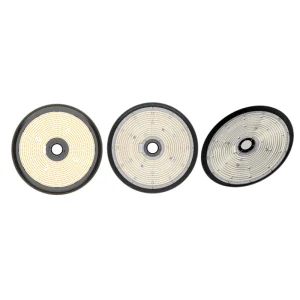
Select from our range of interior panels, directional spotlights, and high-output industrial bays designed for global distribution.
 Ledlot Lighting