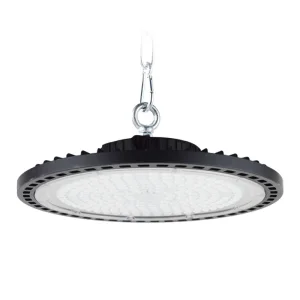
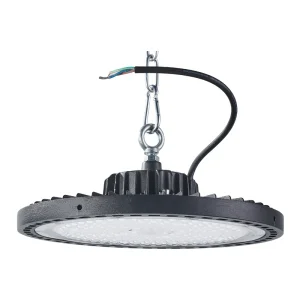
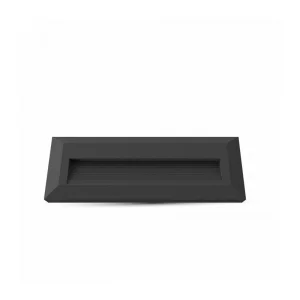
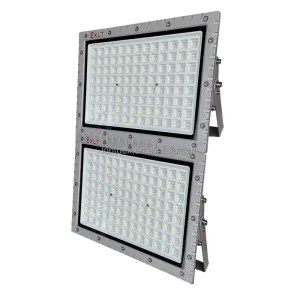
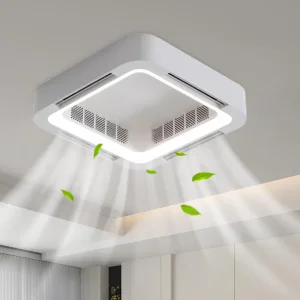
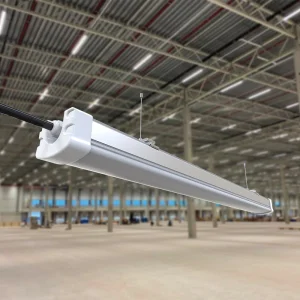
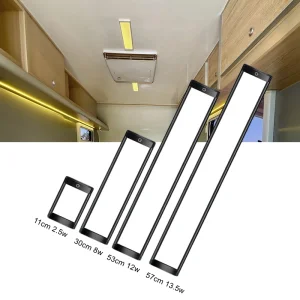
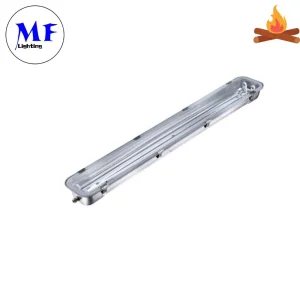
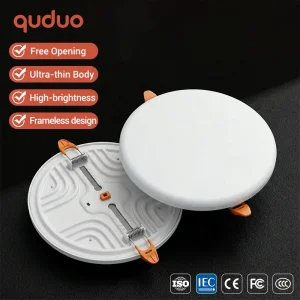
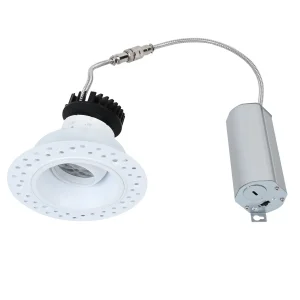
The global lighting landscape is undergoing a monumental shift driven by rapid urbanization, ecological imperatives, and the surging integration of Internet of Things (IoT) platforms. Industrial and commercial structures—ranging from massive logistics centers to highly specialized pharmaceutical facilities—require light sources that offer not only exceptional longevity but also dynamic responsiveness. LED motion sensor lights have emerged as the foundational element of smart energy management systems, enabling enterprises to reduce baseline electrical overhead by up to 70% in transient-traffic zones.
Historically, lighting systems operated on binary patterns: fully on or fully off. Modern facility designs mandate intelligent illumination that tracks physical occupancy. By incorporating Passive Infrared (PIR) and Microwave Radar sensor components, industrial LED lighting fixtures adapt to real-time warehouse processes. This development reduces overall heat generation within fixtures, mitigates grid stress, and extends the operational lifespan of the luminaire components beyond typical thresholds.
Microwave Radar Sensors (5.8GHz): Provide long-range detection (up to 15 meters) and penetrate non-metal walls or enclosures, making them ideal for high-bay warehouse applications.
Passive Infrared (PIR) Technology: Relies on thermal variance detection, highly effective in enclosed offices, commercial restrooms, and cleanrooms with minimal airflow disruption.
Ambient Daylight Harvesting: Integrated photocells ensure the luminaire only activates when natural ambient lux levels drop below a pre-configured baseline, maximizing energy-conservation metrics.
As a specialized high-tech lighting enterprise integrating product development, production, and sales, our facility is engineered to deliver highly reliable and durable luminaires that excel in harsh conditions.
Ledlot maintains an independent mold R&D center alongside a specialized darkroom and photoelectric testing facility. We utilize advanced measuring instrumentation, including an integrating sphere spectrometer for precise spectral analysis, and specialized IP waterproof level testers to verify environmental protection ratings under strict test cycles.
We adhere to the management philosophy of "Credit from Sincerity, Business from Quality, People First". The company is BSCI certified and complies with ISO9001:2000 standards. Our product catalog features certifications from TUV GS, CE, ROHS, LVD, and EMC, providing compliance validation for international markets.
We operate fully equipped workshops for injection molding, blister molding, and compression molding. This allows us to manufacture custom lamp housings across a wide array of geometries, structural lengths, and engineered materials (polycarbonate, acrylic, aluminum alloys) tailored to the thermal requirements of high-output LED arrays.
Operating near primary shipping hubs is critical for global supply chain optimization. Our facility is situated only 38 kilometers from Ningbo Port. This logistical alignment provides access to deep-water shipping lanes, allowing for swift transport, reduced domestic transport fees, and predictable container dispatch to destinations across Europe, America, Southeast Asia, Australia, the Middle East, and Africa.
By keeping key steps of production in-house—including our dedicated injection molding workshop—we control manufacturing stages from raw plastic granules to final, tested light fixtures. This direct control minimizes the risk of supply chain delays common with sub-contracted components. Vertical integration enables us to stabilize manufacturing costs, manage lead times, and maintain consistent quality across large production volumes.
Motion sensor LEDs require careful heat dissipation due to continuous switching cycles. Our engineering team designs fixture chassis to optimize airflow and draw heat away from the LED junctions and drivers. This design minimizes lumen depreciation, preventing light output from dropping prematurely, and ensures consistent sensor performance under extreme hot or cold ambient temperatures.
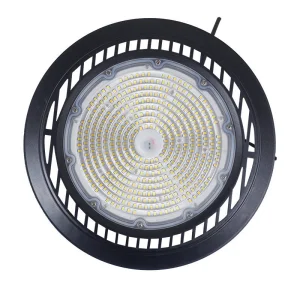
Our specialized optics design ensures uniform light distribution, reducing glare and high-contrast shadows. This is particularly important in industrial high-bay and tri-proof installations where clear visibility is critical for workforce safety and productivity.
Our IP66 and IP65 Tri-proof light fixtures are engineered for reliable operation in challenging, demanding environments, shielding sensitive electronics from water ingress, airborne dust, and physical impact.
Specially designed for environments requiring sanitization, such as hospitals, commercial kitchens, bakeries, saunas, and bathrooms. Smooth, corrosion-resistant housings allow for high-pressure washdowns without moisture breaching the silicone-gasketed seals.
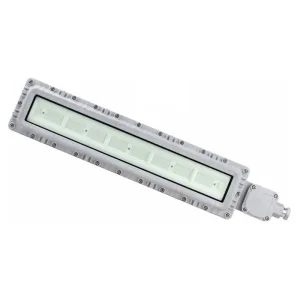
Suitable for harsh industrial operations, including coal mines, chemical workshops, metal fabrication plants, and material warehouses. Strong housing structures protect against vibration and heavy particulates, while integrated motion sensors dim lights during low-activity windows to save energy.
Optimized for continuous operations in public corridors, including subway tunnels, railway platforms, underground parking lots, and bridges. These areas require high-durability fixtures that resist dust accumulation and run efficiently during low-traffic periods.
We provide full-service customization support through our experienced R&D team, developing tailored lighting fixtures from client-provided specifications, CAD models, or physical samples. We adjust electrical layouts, housing materials, and sensor configurations to meet specific project needs.
Our rapid prototyping workflow leverages our in-house mold tooling facility. This setup allows us to quickly build, test, and iterate prototype designs. We verify photometric performance, structural integrity, and electrical safety, helping clients accelerate their product launch timelines.
We serve mid-to-high-end international markets, ensuring our products comply with demanding commercial standards. With our 3-million-set annual capacity, we handle large enterprise contracts while maintaining flexible order handling for custom projects.
By choosing us, sourcing managers benefit from direct factory pricing, verified compliance document trails, and consistent production quality. This vertical control minimizes risk throughout the procurement process.
Industrial lighting is transitioning from isolated sensor installations to networked, intelligent systems that support predictive maintenance and building automation.
Modern fixtures increasingly utilize wireless protocols like Bluetooth Mesh and Zigbee. This connectivity allows sensor nodes to share occupancy data across the network, enabling smooth, coordinated dimming transitions along travel paths rather than activating single lights in isolation.
Adjustable correlated color temperature (CCT) systems mimic natural daylight patterns. Shifting spectrums during long shifts helps maintain worker focus and comfort, supporting productivity in 24/7 manufacturing operations.
Smart sensors collect ambient conditions and track operational runtimes. This data helps facilities optimize light output based on real-time activity and schedule preventative driver maintenance before failure occurs.