Whitepaper: Industrial Dynamics and Optimization of Dimmable LED Technology in Ethiopia
The Horn of Africa is undergoing a historic infrastructure transformation, driven by massive urbanization projects, residential construction booms, and the expansion of industrial corridors. Central to this development is Ethiopia, where cities like Addis Ababa, Hawassa, Adama, and Dire Dawa are defining new architectural standards. As power grids expand via the Grand Ethiopian Renaissance Dam (GERD), energy efficiency is no longer optional; it is a critical mandate. Dimmable LED ceiling lighting represents a keystone technology, balancing aesthetic luxury, biological comfort, and industrial-scale energy conservation.
"Optimizing power consumption across corporate, municipal, and residential installations is paramount to supporting Ethiopia's national growth strategy. Our dimmable LED ceiling lamps are engineered explicitly to withstand local grid variances while yielding up to 80% energy savings."
1. The Industrial and Commercial Lighting Landscape in Ethiopia
Lighting accounts for a significant portion of municipal and private sector electrical loads in Ethiopia. With the rapid expansion of modern office complexes in the Bole sub-city, large-scale medical facilities in Kilinto, and industrial zones like the Bole Lemi Industrial Park, the demand for stable, high-performance LED solutions has surged. Traditionally, importing companies have relied on basic, non-dimmable fixtures. However, these systems fall short in terms of adaptation to human-centric architectural designs, fail to respond to daylight harvesting methods, and are highly vulnerable to voltage instability.
Dimmable LED configurations provide developers in Addis Ababa with the capability to integrate smart control interfaces. This reduces cooling loads (HVAC) by keeping lumens low during bright afternoons, thereby protecting local building operations from high overhead utility expenses. It also accommodates the varying electrical qualities of the East African grid, where active voltage fluctuates between 165V and 265V.
2. Localized Compliance, Voltage Adaptability, and Customs Clearance
Sourcing electronic components for the Horn of Africa requires strict compliance with domestic standards and clearance protocols. Navigating the regulations set by the Ethiopian Standards Agency (ESA) demands products that possess globally recognized certifications. Our production system aligns seamlessly with BSCI and ISO9001:2000 management processes. Our product lines hold international certifications including TUV, GS, CE, RoHS, SAA, LVD, and EMC. These credentials expedite the acquisition of Certificates of Conformity (CoC), minimizing delays at port customs.
Furthermore, standard global drivers often fail under local micro-grid instabilities. To mitigate this, our dimmable ceiling lamps utilize customized constant-current drivers with built-in thermal protection, active power factor correction (PFC > 0.95), and surge protection up to 4kV. This prevents premature driver degradation and the flicker commonly experienced in East African commercial builds.
Custom Molding & R&D
Our independent mold research center develops tailored heat-sinks, custom diffuser optics, and bespoke aluminum outer casings based on architectural blueprints.
Comprehensive Testing
On-site high-tech testing labs equipped with integrating sphere spectrometers, darkrooms for luminous flux distribution, and IP55-IP66 water tester arrays.
Optimized Logistics
Located just 38 km from Ningbo Port, ensuring fast transit routes to Djibouti Port and direct overland trucking to Addis Ababa's dry ports.
3. Chinese Manufacturing Ecosystem: Technology, Speed, and Quality Control
As a leading Chinese lighting enterprise, we merge engineering expertise with manufacturing speed to support global procurement departments. Operating out of Zhejiang province, our factory utilizes automated machinery across injection molding, blister molding, and compression molding processes. This allows us to scale production up to 3 million sets annually, comfortably handling massive national tenders or targeted distributor runs.
By executing mold designs, housing fabrication, and SMT (Surface Mount Technology) assembly in-house, we control the production cycle end-to-end. This internal infrastructure maintains competitive pricing structures, and ensures that color rendering index (CRI > 80, 90), luminous efficacy (> 100 lm/W), and thermal dissipation systems remain consistent across production runs. Whether configuring a IP65 waterproof panel or a high-lumen recessed downlight, our quality assurance processes guarantee durability in demanding environments.
4. Smart Controls, Human-Centric Lighting, and Global Trends
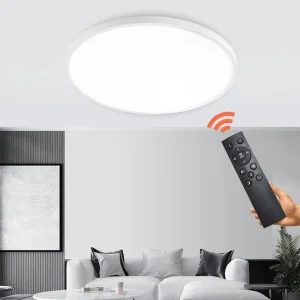
The lighting market has evolved from static illumination to dynamic, interactive ecosystems. Modern architectural plans in Addis Ababa increasingly incorporate smart home technology, where remote control, Triac dimming, 0-10V analog controllers, and digital addressable lighting interfaces (DALI) allow users to adjust intensity based on mood, work, or biological needs.
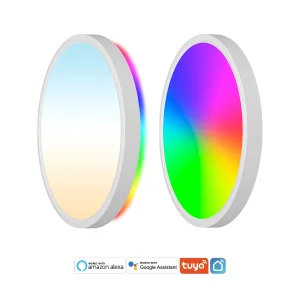
For example, our RGB + CCT Bluetooth-enabled ceiling systems present home and office builders with dual-purpose lighting: task lighting during corporate hours, transitioning to warm ambient light in the evening. This technology reduces eye strain, improves workplace productivity, and aligns with global eco-friendly protocols by eliminating wasteful power usage during off-peak hours.
Technical guidance for B2B buyers, importers, and developers sourcing dimmable LED technology for East African projects.
Q1: How do your dimmable LED ceiling lamps handle voltage surges common in Ethiopia?
Our products are engineered with wide-voltage, isolated IC drivers designed to handle incoming AC fluctuations from 165V up to 265V. In addition, we incorporate metal oxide varistors (MOVs) and high-quality electrolytic capacitors to protect the light engine from transient spikes, maintaining operational stability even on unstable regional grids.
Q2: Can we customize the physical dimensions and housing materials for specialized construction projects?
Yes. We operate an independent mold manufacturing workshop alongside plastic injection, blister, and compression molding capabilities. This allows us to produce fixtures in varied shapes, lengths, and specialized housing materials (aluminum, polycarbonate, PMMA) to meet custom architectural designs or specific environmental demands.
Q3: Which dimming protocols do your systems support?
We provide comprehensive dimming configurations, including leading/trailing-edge Triac dimming, 0-10V/1-10V analog setups, and advanced DALI (Digital Addressable Lighting Interface) systems. For residential and smart home projects in Ethiopia, we offer app-based (WiFi/Bluetooth) wireless dimming options.
Q4: How does your factory handle quality control and certification for East African imports?
Our manufacturing facilities are ISO9001:2000 and BSCI certified. We conduct 100% aging tests, high-voltage insulation tests, photometric distribution mapping, and waterproof tests in our private testing rooms. Our products carry CE, RoHS, GS, and SAA certifications, which are recognized globally and streamline clearance through the Ethiopian Standards Agency (ESA).
Q5: What is the transit route and timeline from your factory to destinations in Ethiopia?
Our factory is located 38 kilometers from Ningbo Port, the largest shipping hub in China. We typically ship via container line to Djibouti Port, which is the main gateway for landlocked Ethiopia. The typical maritime transit time is approximately 20-30 days, followed by land transport to Addis Ababa's Mojo Dry Port.
Q6: What is the typical MOQ for custom OEM or ODM projects?
Our standard Minimum Order Quantity (MOQ) depends on whether the design uses existing molds or requires custom tool development. For standard color temperatures and finishes with minor branding customization, the typical MOQ is 1,000 units. For fully custom mold profiles, contact our engineering department to discuss tooling amortization.
Professional Grade Lighting Portfolio
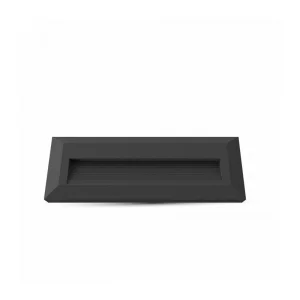
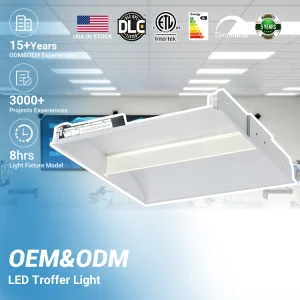
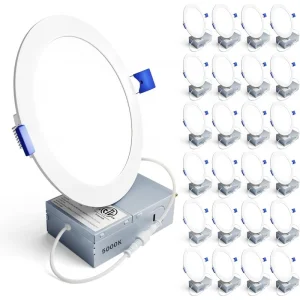
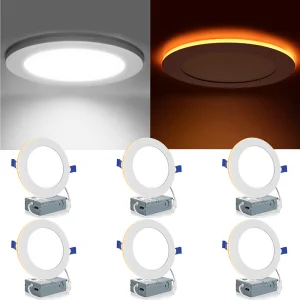
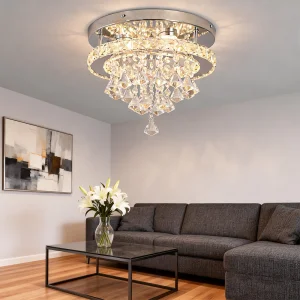
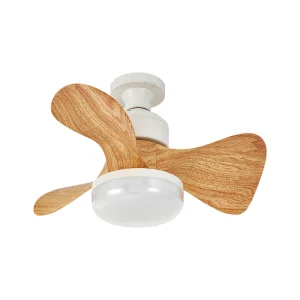
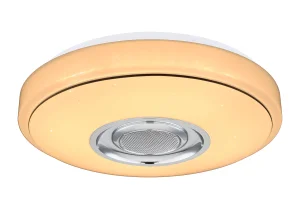
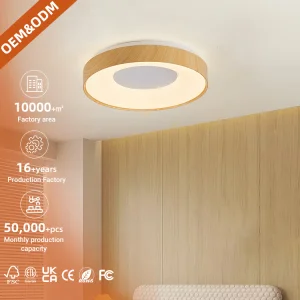
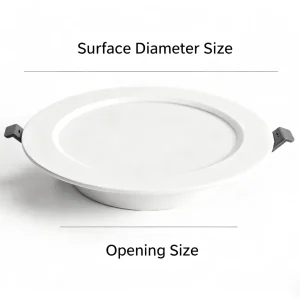
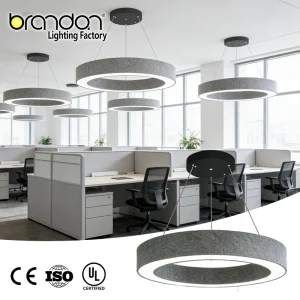
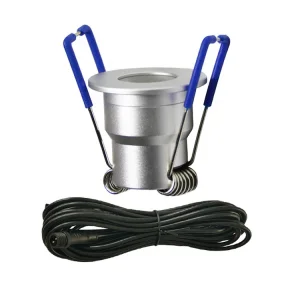
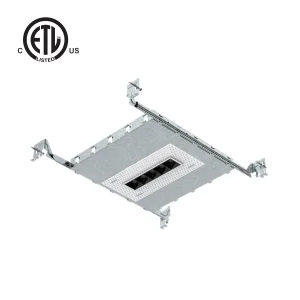
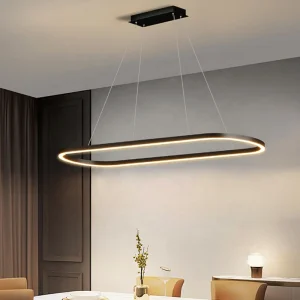
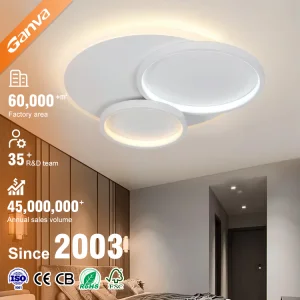
A broad selection of durable, energy-efficient fixtures suited for hospitality, residential, public infrastructure, and industrial projects in East Africa.
 Ledlot Lighting