1. Industrial Lighting Evolution in the Polish Market
Poland has established itself as one of Europe's premier industrial and logistical powerhouses. From the expansive logistics parks in Wielkopolska and Mazowieckie to the heavy manufacturing centers in Upper Silesia, the country’s infrastructure demands robust, long-term engineering components. In parallel, Poland's food and agriculture sectors—particularly poultry farming and meat processing, where Poland ranks as the largest producer in the European Union—impose extremely severe conditions on electrical equipment.
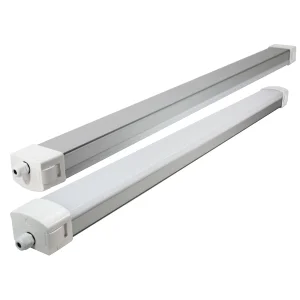
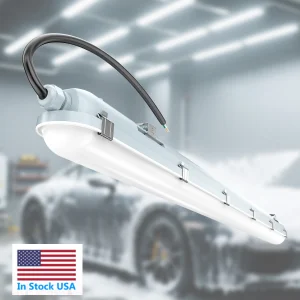
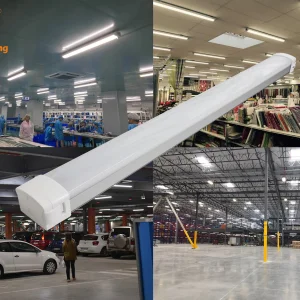
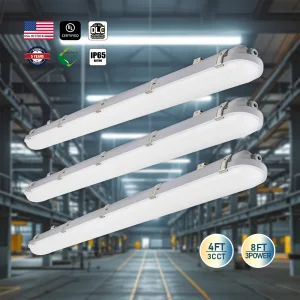
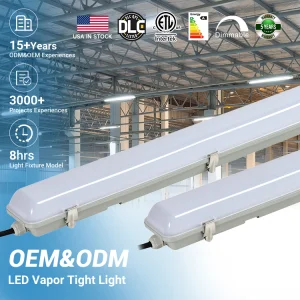
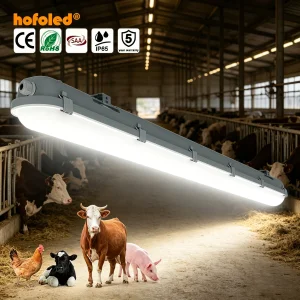
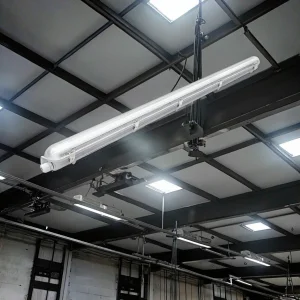
Standard LED luminaires regularly fail in these environments. Chemical sanitization routines in food processing facilities use harsh caustic washes, while poultry barns present high concentrations of airborne ammonia. Coastal Baltic ports, cargo docks, and underground transit networks in Warsaw demand fixtures that can withstand salt spray, continuous humidity, and mechanical stress. Consequently, Polish engineers and procurement managers are prioritizing specialized corrosion-resistant tri-proof lights that offer certified ingress protection (IP65, IP66, IP69K) and impact resistance (IK10).
"Under the EU Green Deal and stringent Energy Efficiency Directives, upgrading to high-lumen, corrosion-resistant lighting is no longer just about durability—it is a critical driver for lowering Levelized Cost of Energy (LCOE) and maintaining regulatory compliance."
2. Material Science: Engineering against Ammonia, Acid, and Moisture
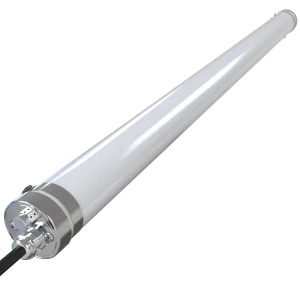
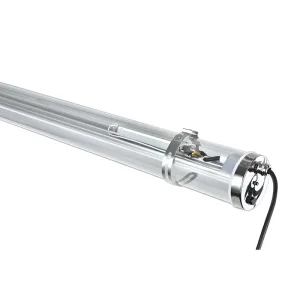
The term "Tri-proof" traditionally indicates resistance to water, dust, and corrosion. However, the degree of corrosion resistance depends heavily on the materials used. The selection of housing materials must align with the specific chemical challenges of the site:
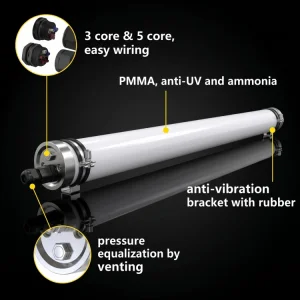
- PMMA (Polymethyl Methacrylate) Housing: Highly recommended for agricultural settings, particularly poultry farms. PMMA exhibits outstanding resistance to ammonia gas, chemical fertilizers, and organic lipids. Unlike Polycarbonate (PC), PMMA does not undergo stress-cracking when exposed to high-ammonia environments.
- PC (Polycarbonate) Housing: Best suited for areas requiring high impact resistance (IK10), such as heavy manufacturing, transport hubs, and warehouses. While exceptionally tough, standard PC can degrade if exposed to strong alkaline cleaning agents. For chemical industries, we utilize specially stabilized PC variants.
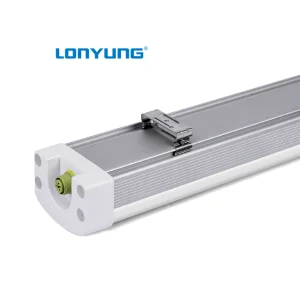
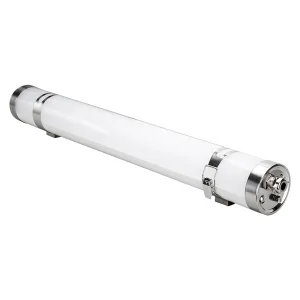
- 316 Marine-Grade Stainless Steel: Used for mounting clips, brackets, and end caps. In coastal docks (Gdańsk, Gdynia) and chemical processing centers, 316 stainless steel prevents galvanic corrosion and rust, outperforming standard 304 stainless steel and plastics.
- Aluminum Alloy Co-extrusion: Offers structural rigidity and acts as a heat sink. Proper thermal management ensures that the LED junction temperature remains low, preventing premature lumen degradation in sealed vapor-tight enclosures.
3. Macro-Level Industrial Solutions: Energy Audits and System Integration
Modern industrial sites require more than simple on/off lighting. True efficiency comes from smart system integration:
Smart DALI and Dimmable Control Systems
By integrating DALI-2 (Digital Addressable Lighting Interface) and 1-10V dimming protocols, facilities can automate lighting schedules based on shifts, occupancy, or natural daylight penetration. In large Polish distribution centers, this results in energy savings of up to 70% when transitioning from traditional HID or T8 fluorescent luminaires.
Flicker-Free Driver Performance for Agri-Tech
In poultry farming, the flicker index of artificial lighting directly impacts animal health and yield. Avian eyes are highly sensitive to high-frequency light fluctuations. Our flicker-free drivers deliver smooth, constant current outputs, supporting natural animal biological cycles and improving overall farm productivity.
Linkable Designs for Rapid On-Site Installation
With labor costs rising across Europe, reducing installation time is critical. Linkable tri-proof lights allow quick series connections via waterproof plug-and-play connectors (e.g., Wieland or custom IP68 connectors). This minimizes wiring steps, significantly lowering contractor hours during major facility construction or retrofits.
4. Localization Support and EU Compliance Assurances
We provide comprehensive technical support specifically tailored for Polish importers, distributors, and engineering contractors:
- Full Certification Portfolio: Our products conform to CE, RoHS, TUV GS, LVD, and EMC directives, ensuring smooth clearance and compliance with EU safety standards.
- NSF Certification for Food Processing: Specifically designed models carry NSF certification, verifying that their materials and physical designs are safe for direct food-contact areas and high-pressure cleanings.
- Dialux Photometric Support: We supply IES/LDT files and provide customized Dialux simulation reports. This helps engineers calculate exact lux distributions and confirm compliance with EU workplace lighting standards (EN 12464-1) before purchasing.
- Direct Baltic Logistics: Located just 38 kilometers from Ningbo Port, we manage efficient shipping routes to the Port of Gdańsk, reducing transit delays to Central and Eastern Europe.
 Ledlot Lighting