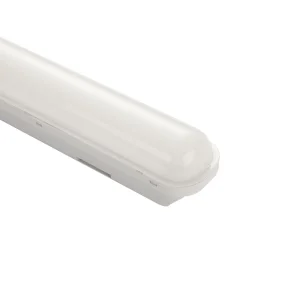
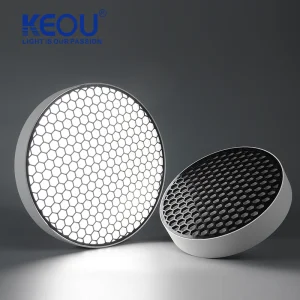
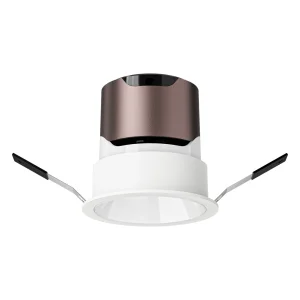
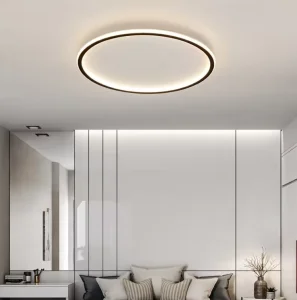
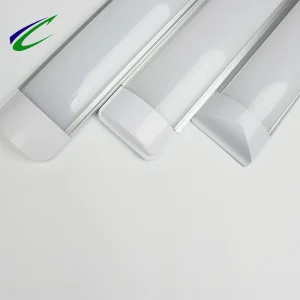
Custom OEM Surface Mounted LED Panel Manufacturer & Exporters
High-Efficiency, Spec-Grade Industrial & Commercial Lighting Solutions Built Under Rigorous Global Compliance Standards
Engineered Engineering
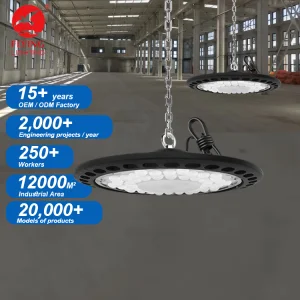
Industrial Grade Product Portfolio
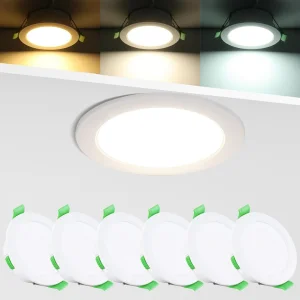
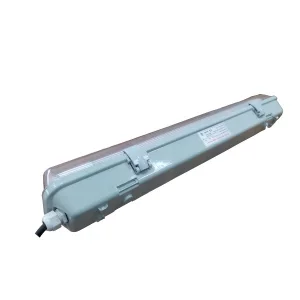
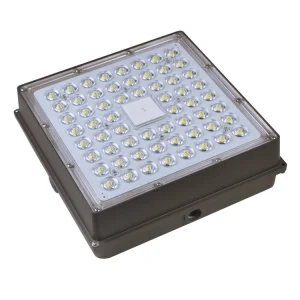
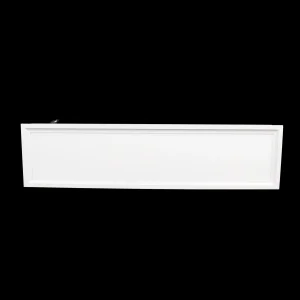
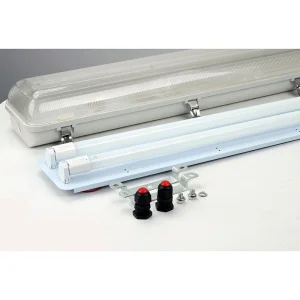
Discover our primary selection of specialized industrial tri-proof lights, anti-glare fixtures, and high-performance flush mounts designed for maximum optical control and durability.
An analytical examination of the role of high-performance surface-mounted LED panels and tri-proof systems in modern architectural spaces and harsh industrial environments.
1. The Global Shift in Commercial and Industrial Lighting Paradigms
The architecture and engineering sectors are undergoing a massive transition. Structural changes in real estate, combined with rigorous carbon-neutral targets, require light fittings that optimize efficacy (lm/W) without compromising human comfort. As standard lay-in grid ceilings give way to open-plenum architectures, concrete slab designs, and high-ceilinged timber frameworks, the demand for surface-mounted lighting solutions has grown rapidly.
Unlike recessed fixtures that demand structural modifications within the ceiling plenum, surface-mounted LED configurations are installed directly against structural boundaries. This method preserves fire-barrier ratings of concrete surfaces and eliminates the hazard of air leakage through ceiling cutouts. Furthermore, in areas like warehouses, manufacturing plants, and heavy transit corridors, structural durability is critical. In these settings, standard architectural downlights fail due to mechanical shocks, ambient moisture, and dust ingress. High-specification tri-proof lighting fixtures (designed for moisture-proof, waterproof, and dustproof protection) provide a reliable alternative, ensuring continuous operation in tough conditions.
According to the latest revisions in the Google Search Quality Rater Guidelines and European lighting codes (EN 12464-1), workplace lighting must prioritize user safety and visual well-being over simple electrical efficiency. Low Unified Glare Rating (UGR < 19) panel lights are essential for preventing optical fatigue, head strain, and long-term drop-offs in cognitive focus.
Achieving low UGR values requires careful optics. Advanced micro-prism diffusers scatter light over specific glare-free viewing angles, while back-emitting PMMA light guide plates (LGP) project uniform, diffuse illumination without hotspot clusters. This design prevents the yellowing associated with lower-grade polystyrene (PS) diffusers, which break down under continuous exposure to heat and ultraviolet radiation from the LED array. Specifiers look for clean, flicker-free drivers that prevent sub-visible stroboscopic effects. This is particularly important for commercial offices, healthcare operating theaters, and automated visual scanning systems in manufacturing, where high ripple currents can disrupt optical scanning technology.
PMMA LGP Technology
Uses high-purity polymethyl methacrylate (PMMA) to guide light with over 92% optical transmissivity, preventing thermal degradation and yellowing over 50,000 operational hours.
Low UGR Configurations
Micro-prismatic structures control high-angle luminance to achieve a UGR value below 19, compliant with European indoor work environment standards.
Flicker-Free Topology
Employs solid-state drivers with minimal ripple current, mitigating visual fatigue and keeping imaging systems clear of interference lines.
3. Micro and Macro Solutions: Custom OEM/ODM Capabilities
Our manufacturing facility functions as a comprehensive development partner for custom global lighting needs. We operate an independent mold research and development center alongside advanced injection molding, blister molding, and compression molding workshops for lamp housings. This vertical integration allows us to produce fixtures in varied shapes, lengths, and materials to match specific client specifications.
By managing the entire production process in-house, we control costs and ensure high-precision fits across our housing assemblies. For instance, our tri-proof models use 6063 aviation-grade aluminum frames combined with UV-stabilized polycarbonate diffusers. This combination resists impact, corrosion, and extreme temperature shifts. Whether you require standard 60x60cm panels, long 1.8m linkable linear battens, or customized hexagonal shapes for creative office fit-outs, our engineers can adjust structural geometry, driver configurations, and LED board layouts to meet your project goals.
Quality Control Infrastructure
State-of-the-Art Testing & Metrology
We verify our products using advanced measuring equipment inside our dedicated testing laboratories.
Integrating Sphere Spectrometer
Measures absolute luminous flux, color temperature (CCT), color rendering index (CRI), spectral power distribution, and chromaticity coordinates. This testing ensures our output matches your spec sheet, maintaining batch consistency below 3 MacAdam ellipses (SDCM < 3).
IP Waterproof Tester
Our water ingress laboratory tests housing integrity up to IP65 and IP66 ratings. Using calibrated water jets, we verify that our housings can withstand harsh environments like commercial kitchens, indoor pools, saunas, and exterior bridges.
Darkroom & Photometric Gonio
A reflection-controlled darkroom enables precise measurement of spatial light distribution. We generate accurate IES and LDT files, helping lighting engineers simulate lux levels, glare limits, and light patterns before installation.
4. Applications: From Cleanrooms to Heavy Industrial Zones
Our tri-proof light configurations (rated for IP65/IP66) and surface-mounted panels are engineered for a wide range of operational environments:
Cleanrooms & Sterile Facilities: Ideal for hospitals, pharmaceutical laboratories, and food production plants (such as commercial bakeries and canteens) that require sealed housings to prevent dust, bacteria, or moisture buildup.
High-Humidity & Corrosive Zones: Designed for saunas, indoor swimming pools, wastewater treatment facilities, and river docks where ambient moisture or chemical vapors can corrode standard steel fixtures.
Heavy Infrastructure & Transit Networks: Trusted in public subways, train stations, underground parking garages, highway tunnels, and bridges, where high vibration resistance and low-maintenance operation are required.
Tactical & Hazardous Operations: Built for demanding environments like military barracks, mining tunnels, gas stations, and material warehouses. These locations rely on robust, explosion-resistant designs to ensure safety and structural integrity.
5. International Regulatory Certifications and Quality Systems
To support global commercial distribution, our facilities maintain strict compliance with international manufacturing standards. Our operations are certified under ISO9001:2000 Quality Management Systems and the Business Social Compliance Initiative (BSCI), ensuring clean production lines and ethical labor standards.
Additionally, our products are certified by leading global safety laboratories. We hold certificates from TUV, GS, CE, RoHS, LVD, SAA, and EMC. These certifications assure engineers and project managers that our products comply with low-voltage limits, electromagnetic interference limits, and hazardous materials restrictions. This simplifies import clearances and compliance audits on site.
We continue to invest in forward-looking lighting technologies:
Adaptive Human-Centric Control: Development of 3CCT selectable arrays and smart dimming systems (including DALI-2, 0-10V, and Zigbee/Casambi configurations) that allow users to align lighting with natural circadian cycles.
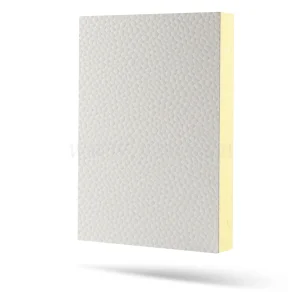
Material Science Optimization: Incorporating fireproof, waterproof aluminum-FRP composite sandwich structures to improve light housing thermal dissipation, reducing junction temperatures and extending lifetime (L80B10) beyond 60,000 hours.
Sustainable Logistics: Our main manufacturing plant sits just 38 kilometers from Ningbo Port. This geographic location reduces overland transport emissions and ensures efficient maritime shipping access to destinations across Europe, America, Southeast Asia, Australia, and the Middle East.
Knowledge Base
Technical Q&A / FAQ
Key design details, mechanical specifications, and certification insights for project managers and procurement professionals.
How does your OEM service optimize housing design for different project requirements?
Our in-house capabilities include injection molding, blister molding, and compression molding of high-grade polycarbonate, PMMA, and aluminum. This allows us to customize housing shapes, physical lengths, and lens styles. Clients can provide design drawings or physical samples, and our engineering team will develop the mold patterns in our tooling center. This provides customized solutions at competitive rates.
What specific testing steps verify that your fixtures can withstand harsh environments?
Every product series undergoes testing inside our accredited laboratories. We use Integrating Sphere Spectrometers to verify color stability (CRI > 80, SDCM < 3) and absolute lumen output. We also run high-pressure IP waterproof chambers to verify dust and water seal integrity, and use darkrooms to gather photometric data. This data is converted to IES and LDT files for dialux simulation.
How does a close location to Ningbo Port affect order logistics?
Located only 38 kilometers from Ningbo Port, we minimize internal trucking transit times and freight transport fees. This close proximity helps reduce overall lead times, simplifies shipping arrangements, and allows us to quickly load and ship container volumes to international markets.
Why is PMMA preferred over PS for light guide plates (LGP)?
PMMA (acrylic) has high thermal and physical resilience. It resists ultraviolet light, heat, and moisture without yellowing or warping over time. In contrast, lower-grade Polystyrene (PS) can yellow within 12 to 18 months, causing a significant shift in color temperature and reduction in optical clarity. We use premium PMMA LGPs in our high-end panels to ensure long-term, stable performance.
Which certifications support the use of your lights in public works and corporate spaces?
Our product series comply with global standards, including TUV, GS, CE, RoHS, LVD, EMC, and SAA certifications. These safety marks verify that our drivers, electrical circuits, and housings meet strict safety requirements. They also simplify compliance processes for project installations.
Premium Solutions
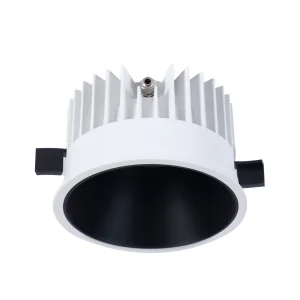
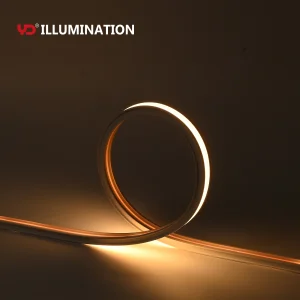
Commercial & Specialty Lighting Equipment
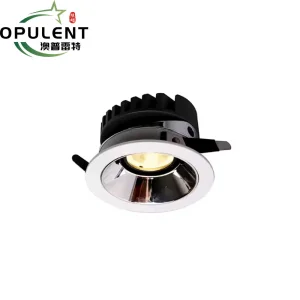
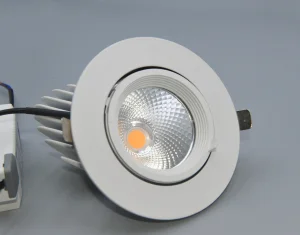
Explore our selection of specialized commercial downlights, linkable LED tubes, explosion-proof fixtures, and flexible architectural strips designed for modern building projects.
 Ledlot Lighting