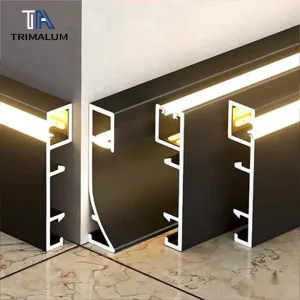
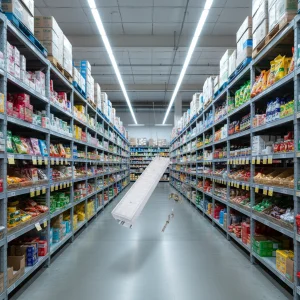
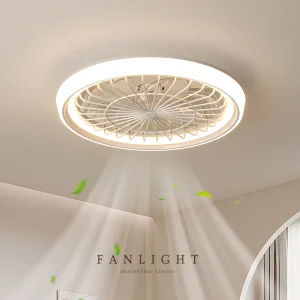
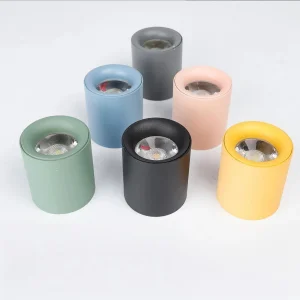
Engineered to support global manufacturing environments, smart warehouses, and custom commercial architectural configurations.
In modern industrial operations, lighting is no longer treated merely as a structural necessity; it is recognized as a key driver of operational efficiency, workplace safety, and energy conservation. The transition toward high-lumen, CE-certified LED installations has accelerated rapidly. This shift is driven by aggressive corporate sustainability mandates, strict energy efficiency directives (such as the European Green Deal), and occupational health standards targeting visual fatigue mitigation.
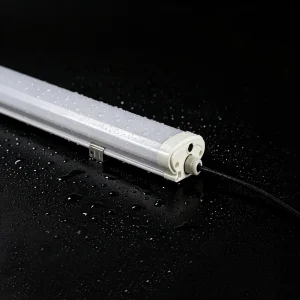
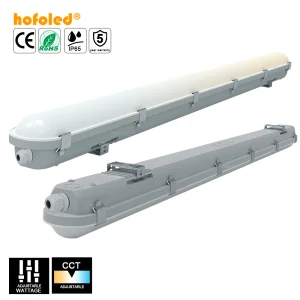
Modern manufacturing sites, complex logistics centers, and sub-zero cold storage units operate under challenging environmental conditions. Traditional metal halide and fluorescent fixtures fail to offer the necessary resistance, lifespan, and lumen maintenance. In these environments, IP65 and IP66 Tri-proof lights serve as the baseline requirement. They protect sensitive internal electronics against moisture, heavy dust loads, thermal stress, and chemical exposure from sanitation procedures.
Additionally, the integration of smart industrial building protocols, including DALI (Digital Addressable Lighting Interface) and zigbee-based daylight harvesting, has transformed factory lighting into dynamic assets. By shifting to intelligent CCT-tunable linear configurations, facilities can optimize lighting setups to align with natural human circadian rhythms. This optimization improves worker productivity, minimizes error rates in high-precision assembly lines, and achieves carbon reduction goals.
For multinational enterprises, corporate sourcing departments, and engineering procurement contractors, navigating the global supply chain requires balancing costs with product quality. The Chinese LED manufacturing ecosystem represents a major asset, combining massive scale with vertical integration. Operating out of advanced manufacturing facilities, our production model handles every stage of the product lifecycle—from raw raw materials to final shipping.
We operate our own injection molding workshop, blister molding workshop, and compression molding lines for lamp housings. This complete in-house design capability allows us to customize shapes, structural lengths, and housing materials (such as high-impact polycarbonate, PMMA, and extruded aluminum profiles) based on custom drawings or physical samples supplied by our clients.
By producing optical diffusers and mechanical chassis in-house, we eliminate external sourcing margins. This direct manufacturing setup enables tight quality control and highly competitive pricing. These savings are passed directly to our customers, ensuring high performance at a lower total cost of ownership.
Strategically situated near key logistics routes, we are only 38 kilometers away from Ningbo Port. This geographic positioning enables direct container shipping, simplifies import customs processes, reduces container drayage costs, and ensures reliable transit times to the Americas, Europe, Australia, and key Asian markets.
As a recognized high-tech enterprise, we combine product development, scale manufacturing, and direct sales under a rigorous quality management framework.
We adhere to the core management philosophy: "Credit from Sincerity, Business from Quality, People First". Every production run undergoes testing using advanced metrology tools. Our manufacturing plants are ISO9001:2000 and BSCI certified, ensuring strict alignment with international quality standards.
Our testing infrastructure features an independent mold research and development center alongside optical labs. We utilize high-precision darkrooms equipped with integrating sphere spectrometers, goniophotometers for generating light distribution curves (IES/LDT files), thermal chamber stress testing, and dedicated IP waterproof level testing equipment. These systems verify that every IP65 and IP66 luminaire satisfies nominal ingress protection levels.
Our lighting products carry certifications from leading European and international standards bodies, including TUV GS, CE, ROHS, LVD, EMC, and SAA. We continuously renew these standards to keep pace with evolving global technical regulations.
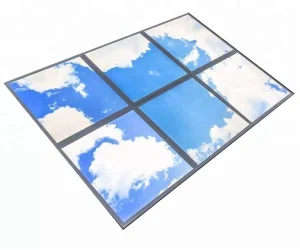
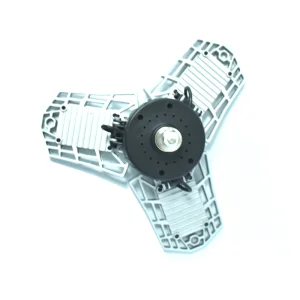
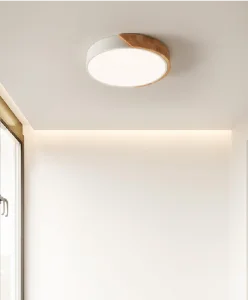
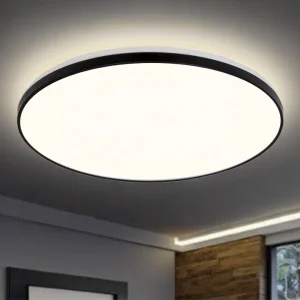
Our IP66 and IP65 Tri-proof lighting units and indoor ceiling panels are designed to perform reliably across demanding commercial and industrial settings.
Optimized for bathrooms, saunas, kitchens, bakeries, and industrial food processing canteens. In these areas, persistent steam and airborne oil particles require moisture-proof, hermetically sealed luminaire structures that resist premature driver failure and prevent yellowing of the outer diffuser lens.
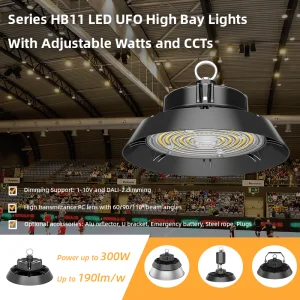
Specially engineered for material warehouses, manufacturing plants, assembly workshops, and coal mining facilities. Our IP66 rating prevents fine dust particles from settling on the internal LED chips, maintaining stable thermal dissipation and preventing early light degradation.
Engineered for installation in tunnels, subways, aisles, underground parking structures, bridges, river banks, and cargo docks. These settings require continuous, high-efficiency illumination capable of resisting vibrations from vehicular traffic and outdoor weather fluctuations.
Well-suited for hospital corridors, cleanrooms, and military barracks. These dustproof, easy-to-clean fixtures help maintenance staff preserve sanitary environments while providing flicker-free, uniform light that enhances patient comfort and assists medical personnel with fine task work.
Industrial lighting is shifting toward intelligent, connected systems. A major trend is the integration of smart controls, including DALI-2, 0-10V dimming, and wireless mesh networks. These protocols allow facility managers to monitor power consumption in real-time, configure individual luminaire profiles, and automate brightness based on occupancy and natural daylight levels.
At the same time, developments in materials science are improving durability and performance. Modern lamp housings increasingly use advanced thermal polymers and marine-grade anodized aluminum to extend product life. Combined with high-efficiency light guides, these materials provide uniform distribution while reducing glare. This makes them ideal for tasks requiring high visual concentration and helps lower the risk of workplace accidents.
Finally, the demand for adjustable lighting parameters—such as color-tunable 3CCT/5CCT systems and multi-wattage selectors—is becoming standard practice. These options let procurement managers stock fewer product variants while remaining adaptable to a wide range of installation heights and plant layouts. This flexibility simplifies the supply chain, speeds up project timelines, and future-proofs industrial spaces as operational needs evolve.
To assist industrial procurement managers and engineering teams, we have answered the most common questions regarding technical parameters, installation standards, and manufacturing certifications.
Discover our range of indoor architectural lighting, energy-efficient office systems, and highly durable tri-proof luminaires.