Designing effective lighting layout in factories is crucial for productivity and safety. As industry expert Mark Thompson, an engineer specializing in workplace ergonomics, once stated, "Proper lighting is the backbone of an efficient factory environment." This highlights the importance of "How to design reasonable lighting layout for factory production workshops."
Lighting directly affects worker performance and well-being. Inadequate lighting can lead to mistakes and accidents. Factories often face unique challenges. The layout may have complex machinery and varying workspace requirements. Hence, a tailored approach is necessary.
A reasonable lighting layout includes assessing specific tasks, machine requirements, and natural light sources. Consideration of energy efficiency is also important. Factories should prioritize using LED lights, which consume less power. Regular evaluations of lighting effectiveness might be needed. An adaptable plan allows for future changes in production or equipment. The goal is to create a workspace that enhances productivity while ensuring safety and comfort for all employees.
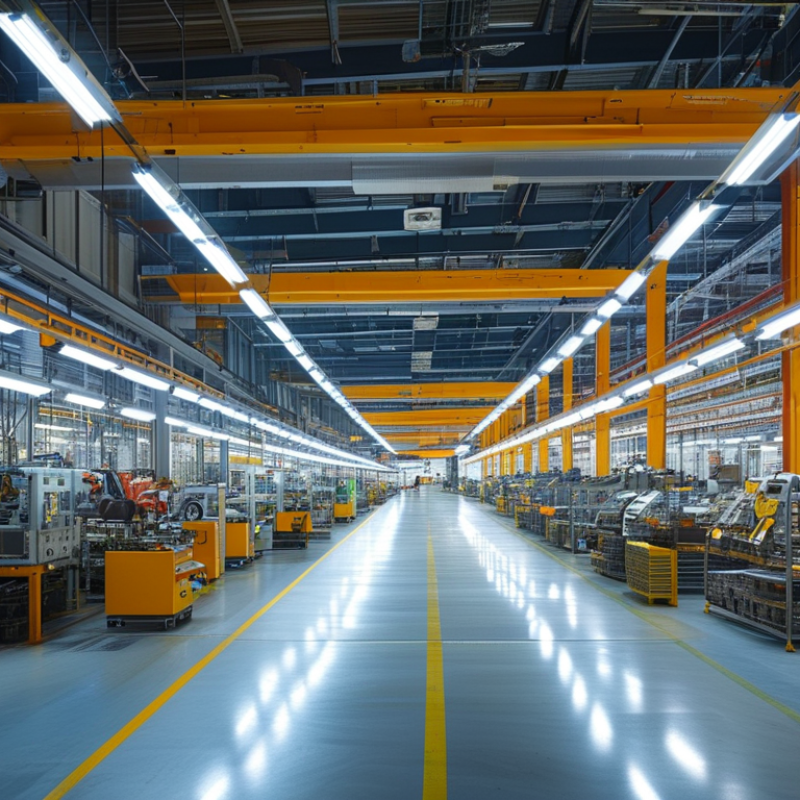
Understanding the Importance of Lighting in Factory Environments
In factory environments, lighting plays a critical role in enhancing safety and productivity. A well-designed lighting layout can prevent workplace accidents. Depending on the tasks involved, the lighting requirements will vary. Research indicates that poor lighting can reduce productivity by up to 20%. It can lead to eye strain and fatigue. Employees may struggle with visibility issues, which can increase the likelihood of errors.
The right illumination levels can boost employee morale and efficiency. It is essential to consider color temperature and lighting uniformity. A study by the Illuminating Engineering Society found that adequate lighting levels can improve performance and accuracy significantly. Factories should aim for specific lux levels based on operational needs. For example, assembly areas may require brighter lighting compared to storage areas.
Relying solely on artificial lights can create a stark environment. Integrating natural light when possible is beneficial. This enhances well-being and reduces stress. However, it requires careful planning to prevent glare or uneven lighting. Regular evaluations of lighting quality are necessary, as conditions can change over time. Investing in a thoughtful lighting design is not just about aesthetics; it's about fostering a safe and productive workplace.
Analyzing Different Types of Lighting: LED vs. Fluorescent Choices
In the realm of factory lighting, the choice between LED and fluorescent technologies is critical. LED lights are increasingly favored due to their energy efficiency. According to the U.S. Department of Energy, industrial facilities can save up to 75% on energy costs by switching to LEDs. This significant reduction not only lowers expenses but also minimizes the environmental impact.
However, fluorescent lights still hold a place in many factories. They offer lower upfront costs and have a longer lifespan compared to traditional incandescent bulbs. Yet, they are less efficient than LEDs and contain small amounts of mercury. This raises concerns over disposal and potential health risks. A recent report indicated that maintaining fluorescent lighting systems can increase operational costs over time due to frequent replacements.
Choosing the right lighting also affects employee productivity and safety. Poorly lit environments can lead to accidents and lower morale. A study highlighted that well-designed lighting layouts enhance worker alertness and satisfaction. Balancing cost, efficiency, and safety is essential. Each factory's unique needs must guide the final decision. This process often reveals challenges, prompting further evaluation of long-term benefits versus initial investments.
Calculating Recommended Illuminance Levels for Various Tasks
In designing effective lighting layouts for factories, calculating the recommended illuminance levels for various tasks is crucial. Different jobs demand unique lighting conditions. For instance, assembly tasks often require about 300 to 500 lux, while intricate work like quality inspections may need up to 1000 lux. These figures influence workflow. If lighting is inadequate, employee performance may decline.
It’s essential to assess the specific needs of each area. Take time to examine the tasks performed there. Bright spots may distract or create glare. Soft, diffused lighting often produces a more comfortable working environment. Remember that energy-efficient solutions can also enhance overall productivity.
Documentation is vital. Record illuminance levels, employee feedback, and any issues that arise. This helps identify patterns over time. Rethinking lighting design is a continual process. Regularly revisiting your illumination strategy can yield significant improvements in safety and efficiency. Experimenting with different layouts may uncover better solutions, but it’s important to stay open to feedback and adapt as necessary.
Implementing Energy-Efficient Lighting Systems to Reduce Costs
Implementing energy-efficient lighting systems in factories is crucial for driving down operational costs. According to the U.S. Department of Energy, lighting can account for 20% to 50% of a facility’s energy use. By utilizing LED technology, factories can reduce energy costs by up to 75%. Not only do LEDs consume less energy, they also have a longer lifespan. This leads to fewer replacements and lower maintenance costs.
Proper layout is essential for maximizing these benefits. Each area of a factory has unique lighting needs. For example, areas requiring high visibility, like assembly lines, may need brighter lights. Conversely, storage areas may require softer lighting. Analyzing these requirements helps design an effective lighting layout.
Though the savings are attractive, many factories struggle with implementation. Some find it difficult to balance initial costs against long-term savings. A recent study indicated that nearly 40% of factories still use outdated lighting systems due to budget constraints. Factories must evaluate the return on investment thoroughly. Effective planning can yield significant energy savings while enhancing workplace safety and productivity.
Energy-Efficient Lighting Systems Cost Savings in Factories
Designing for Flexibility: Adapting Lighting to Changing Factory Layouts
Designing flexible lighting in factories is crucial for adapting to evolving layouts. According to the IES (Illuminating Engineering Society), effective lighting accounts for up to 30% of energy savings in manufacturing environments. As factory designs shift, lighting frameworks need to adapt accordingly. Modular lighting solutions can be realigned or reconfigured to meet changing demands.
A study by the U.S. Department of Energy found that factories using adaptive lighting saw productivity increases of over 10%. Workers thrive in well-lit environments. However, ensuring the wrong type of lighting can lead to glare and fatigue. Properly positioned fixtures mitigate these issues, promoting a safer workspace.
Factories frequently undergo modifications. This can render static lighting setups ineffective. Investment in versatile lighting systems enables quick adjustments without significant downtime. However, flexibility should not compromise quality. Employers must find a balance that meets operational needs and worker wellbeing. Planning should involve feedback from staff, as they are directly impacted by lighting conditions.
Top 10 Tips for Designing Lighting Layout in Factories
| Tip No. |
Lighting Design Aspect |
Description |
Benefits |
| 1 |
Assess Tasks |
Evaluate the specific tasks performed in each area of the factory to determine lighting needs. |
Improves visibility and safety during operations. |
| 2 |
Ensure Flexibility |
Design the lighting system to be easily adjustable for future layout changes. |
Saves costs and time during modifications. |
| 3 |
Utilize Multi-Functional Fixtures |
Incorporate fixtures that can serve multiple purposes, such as general and task lighting. |
Increases efficiency and decreases energy use. |
| 4 |
Incorporate Natural Light |
Maximize the use of windows and skylights to reduce reliance on artificial lighting. |
Enhances employee well-being and reduces electricity costs. |
| 5 |
Use Adjustable Fixtures |
Implement fixtures that can be easily repositioned or dimmed as required. |
Provides better control over lighting levels and ambiance. |
| 6 |
Select Appropriate Light Color |
Choose light colors and temperatures that are suitable for the tasks being performed. |
Enhances concentration and task performance. |
| 7 |
Plan for Maintenance |
Design fixtures for easy access for cleaning and bulb replacement. |
Reduces downtime and maintenance costs. |
| 8 |
Implement Zoning |
Create different lighting zones based on different factory operations. |
Improves energy management and operational efficiency. |
| 9 |
Evaluate Energy Efficiency |
Select lighting technologies that are energy efficient, such as LEDs. |
Lowers energy bills and environmental impact. |
| 10 |
Collect Feedback |
Regularly gather feedback from employees about lighting conditions. |
Ensures the lighting meets operational needs and enhances comfort. |
FAQS
: Different tasks need specific lighting conditions. Inadequate lighting can decline employee performance.
Assembly tasks require about 300 to 500 lux for optimal performance.
Bright spots create glare. Soft, diffused lighting offers a more comfortable working environment.
They can reduce energy costs by up to 75% and lower maintenance expenses.
Budget constraints often make it difficult to upgrade to energy-efficient solutions.
Modular lighting can be adapted to changing factory layouts, enhancing productivity.
Incorrect lighting can lead to glare and fatigue, affecting worker safety and comfort.
Take time to examine the specific tasks and gather employee feedback regularly.
Recording illuminance levels helps identify patterns and improves future strategies.
Employers must balance operational needs and worker wellbeing through flexible yet effective lighting solutions.
Conclusion
Designing an effective lighting layout for factory production workshops is crucial for enhancing productivity and ensuring safety. Understanding the importance of lighting in these environments lays the foundation for making informed decisions. A key consideration is analyzing different types of lighting, such as LED versus fluorescent options, to determine what best suits the specific needs of each workstation.
Additionally, calculating recommended illuminance levels for various tasks ensures that workers can perform safely and efficiently. Implementing energy-efficient lighting systems not only reduces operational costs but also minimizes the environmental footprint. Finally, designing for flexibility is essential, allowing the lighting to adapt seamlessly to changing layouts and workflows. In summary, knowing how to design reasonable lighting layout for factory production workshops involves strategic planning across these multiple aspects for optimal functionality.
 Ledlot Lighting
