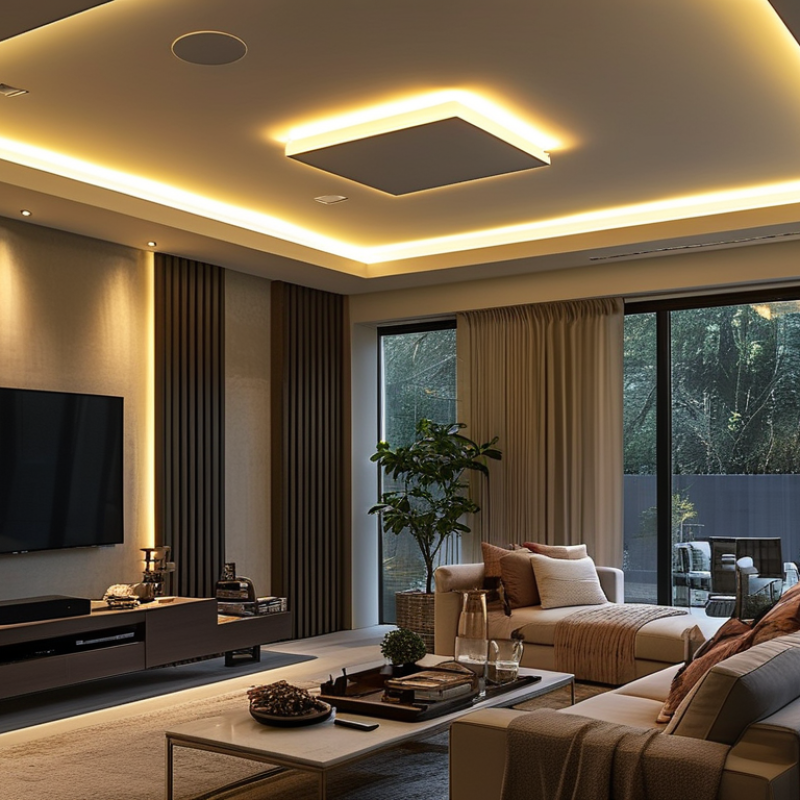
How to Set Up Smart Dimming Systems for Indoor Ceiling Lighting?

Time:2026-08-01 Author:Mason
0%

Setting up a smart dimming system for indoor ceiling lighting can transform any space. John Smith, a leading expert in smart home technology, emphasizes, "The right dimming system can enhance ambiance and energy efficiency." The demand for such systems has surged as more homeowners seek convenience and customization.

Installing a smart dimming system involves understanding both the technology and your lighting needs. Many people underestimate the importance of proper planning and the right tools. A poorly executed setup can lead to frustration. For instance, ensuring compatibility between your dimmer and the existing bulbs is crucial.

Consider the layout of your space. Different rooms may require different lighting solutions. The bedroom may benefit from softer, warmer tones, while a kitchen might need brighter lighting. Reflecting on your preferences can help in making the right choices. A thorough understanding of how to set up an intelligent dimming system for indoor ceiling lighting is essential for achieving optimal results.

How to Set Up Smart Dimming Systems for Indoor Ceiling Lighting?

Understanding Smart Dimming Systems and Their Benefits for Indoor Lighting

Smart dimming systems are revolutionizing indoor lighting, offering flexible control and energy savings. According to a report by the Lighting Research Center, smart lighting can reduce energy consumption by up to 30%. This statistic highlights the growing trend toward sustainable living. Smart dimmers adjust light levels based on occupancy and time of day, enhancing the overall ambiance of a space.

Homeowners often underestimate the benefits of these systems. In addition to energy savings, they provide tailored lighting for various activities. Whether you are reading, watching a movie, or hosting a dinner party, the right lighting enhances the experience. The U.S. Department of Energy indicates that lighting accounts for about 15% of a household's energy use. Smart dimming can drastically lower this figure while improving comfort.

However, integrating smart dimming systems requires careful planning. Installation must consider existing wiring and compatibility with other smart devices. Users may face a learning curve when adapting to new technology. Ongoing assessments are crucial. Some users may find system updates or connectivity issues frustrating. These challenges reveal the need for patience and ongoing education about smart technology.

Choosing the Right Smart Dimming Technology for Your Ceiling Lights

When selecting a smart dimming technology for your ceiling lights, it's crucial to understand your needs. According to a recent report by the Smart Lighting Alliance, 45% of homeowners adjust lighting based on mood. This flexibility is vital in creating suitable environments for relaxation or productivity.


There are various smart dimming options available. Some systems use Wi-Fi, while others may rely on Bluetooth or Zigbee protocols. Each option presents unique benefits. For instance, Wi-Fi allows control from remote locations, but can strain your network bandwidth. Conversely, Zigbee offers low power consumption. Some users might encounter setup challenges, leading to frustration.


Reflecting on user preferences is important. A study indicated that 40% of users prefer intuitive interfaces over advanced controls. Optimize your space by selecting a technology that aligns with your lifestyle and preferences. A poorly chosen system can lead to dissatisfaction.


Evaluate not only the technology but also how it integrates with your daily routines. Ensure compatibility with existing home automation systems for a seamless experience.

Step-by-Step Installation Guide for Smart Dimming Systems

Installing a smart dimming system can enhance the ambiance of your indoor ceiling lighting. Begin by choosing the right spot for your dimmer switch. Make sure it's easily accessible. Turn off the power at your circuit breaker to ensure safety during installation. This step is crucial; always prioritize safety.

Next, remove the existing switch plate and unscrew the old switch. Remember to take a photo of the wiring for reference. Connect the wires to the new smart dimmer according to the manufacturer’s instructions. It is critical to match the colors correctly. Mistakes here can be frustrating and cause electrical issues.

After securing the smart dimmer, carefully push all wires back into the wall box. Reattach the switch plate and restore power at the breaker. Test your new system by using the app or the physical switch. Expect some trial and error during configuration. Each dimmer may work slightly differently. Adjusting settings and fine-tuning can lead to better performance. Enjoy your newly enhanced lighting, but don’t hesitate to troubleshoot if things don’t work perfectly the first time.

Integrating Smart Dimmers with Home Automation Systems

Integrating smart dimmers with home automation systems can significantly enhance the ambiance of your living space. Choosing the right dimmer is crucial. Ensure compatibility with your existing smart home devices. Many systems operate via Wi-Fi, Zigbee, or Z-Wave. Confirm that you select a dimmer that can communicate effectively with your hub. Sometimes, issues arise in pairing devices. Testing them individually can reveal connectivity problems.

Once installed, explore the customization options. Smart dimmers often allow you to set schedules or adjust lighting via voice commands. This creates a tailored environment for various activities like reading or entertaining. It's essential to experiment to find the best settings. You might discover that softer light is more soothing in the evening, while brighter light is beneficial in the mornings.

However, be aware of potential challenges. Some users find their dimmers unresponsive at times. This may require troubleshooting your network or the dimmer itself. Understanding the limits of your devices can prevent frustration. Everyone’s home setup is unique, and experimenting will often yield the best results.

Troubleshooting Common Issues with Smart Dimming Systems

Smart dimming systems enhance indoor lighting but can present challenges. Users may encounter issues like flickering lights, unresponsive controls, or inconsistent brightness. These problems can stem from several factors, such as incompatible bulbs or wiring issues. Checking the compatibility of light fixtures with your dimmer is essential. Some bulbs, like traditional incandescent ones, work seamlessly, while others may create complications.

Another common issue is connectivity with smart devices. If your dimmer is not connecting to your smartphone or smart assistant, ensure the firmware is up to date. Weak Wi-Fi signals can also disrupt communication. Additionally, troubleshooting can involve resetting the device and re-establishing the connection. If dimmers are not responding, consider examining the installation. Loose wires or incorrect connections might lead to failures. Remember, taking these steps can often resolve many prevalent issues, but sometimes, professional help may be needed for safety.

FAQS

: What should I consider when choosing smart dimming technology?

: Understand your needs and preferences. Different technologies offer various benefits.

Why is adjusting lighting based on mood important?

Many homeowners tailor lighting to match their mood, creating ideal environments for work or relaxation.

What are some common smart dimming technologies?

Common options include Wi-Fi, Bluetooth, and Zigbee, each with unique advantages and drawbacks.

How can I ensure my installation is safe?

Always turn off the power at the circuit breaker. Safety should be your first priority during installation.

What should I do if I encounter installation mistakes?

If wiring issues occur, carefully review your connections. Missteps can cause frustration and possible safety hazards.

What are common problems with smart dimming systems?

Users may face flickering lights, connectivity issues, or inconsistent brightness. Identify the cause to troubleshoot effectively.

How can I troubleshoot connectivity issues with my smart dimmer?

Ensure your firmware is updated and check Wi-Fi strength. Sometimes a reset can help re-establish connections.

What if my dimmer doesn't connect at all?

Review the installation for loose wires or incorrect connections. Professional assistance may be required for complicated issues.

Why is compatibility important for smart dimmers?

Incompatible bulbs can lead to poor performance or failures. Ensure your fixtures match your selected dimmer.

What should I do if my new system isn't working as expected?

Expect some trial and error. Adjust settings individually to find the best performance for your dimming system.

Conclusion

This article provides a comprehensive guide on how to set up intelligent dimming systems for indoor ceiling lighting. It begins by explaining the fundamentals of smart dimming systems and their advantages, such as energy efficiency and enhanced ambiance. Readers will learn to choose the right technology suited for their specific lighting needs, ensuring optimal performance and compatibility with existing fixtures.

The article then offers a detailed step-by-step installation guide to help users effectively implement these systems. Additionally, it covers the integration of smart dimmers with home automation setups, allowing for seamless control through various devices. Finally, common troubleshooting tips are provided to assist users in resolving any issues that may arise, ensuring a smooth experience with their intelligent dimming solutions.

Mason

Mason

Mason is a seasoned marketing professional with a deep expertise in the company's offerings and a passion for driving brand awareness. With a strong background in digital marketing strategies, he has an innate ability to connect with diverse audiences and effectively communicate product benefits.......