In today's world, efficiently managing energy consumption is crucial. Many households struggle with high electricity bills. Choosing the right lighting plays a significant role. According to energy expert Dr. Emily Carson, “Opting for high efficiency lighting can drastically cut your bills.” This statement encapsulates the essence of the matter.
How to reduce monthly electricity cost by selecting high efficiency lighting is not just a financial decision. It is also an environmental responsibility. High efficiency lights, such as LEDs, use less energy compared to traditional bulbs. They emit the same amount of light while consuming less power. This shift can lead directly to significant savings.
However, not all lighting options available are equal. It’s essential to understand lumens, watts, and the long-term benefits of your choices. Sometimes, the initial investment in high efficiency lighting can seem daunting. Yet, the long-term savings on your electric bill may outweigh those costs. Reflecting on your lighting choices can lead to both economic and sustainable advantages.
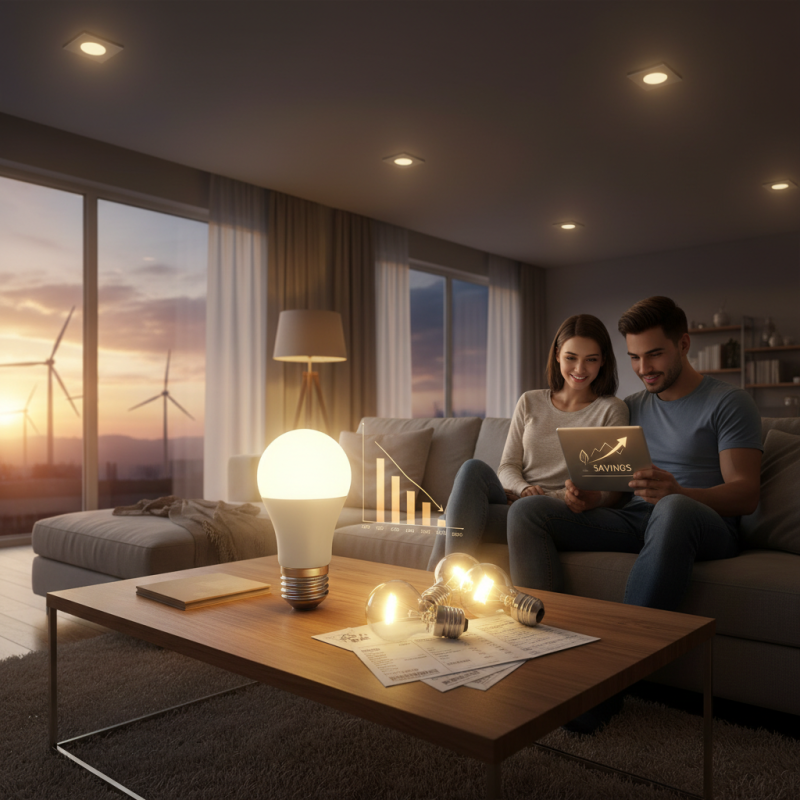
Understanding High Efficiency Lighting: The Basics
High efficiency lighting is a key player in reducing electricity bills. These lighting options typically include LED and CFL bulbs. According to the U.S. Department of Energy, LEDs use at least 75% less energy than incandescent lighting. They also last up to 25 times longer. This energy efficiency translates into significant savings for consumers.
Understanding the key factors of high efficiency lighting is essential. One vital aspect is lumens per watt. This measure indicates the brightness produced for each watt of energy consumed. For instance, a standard LED bulb can produce around 80 lumens per watt. In contrast, a traditional incandescent bulb averages only about 15 lumens per watt. Such differences highlight the potential for energy savings and illuminate the path towards sustainable practices.
Despite the advantages, not everyone adopts these technologies. Some consumers are unaware of the long-term benefits. The initial investment in LEDs may seem steep. Yet, energy savings over time can surpass upfront costs. Evaluating these factors is essential for making informed choices when upgrading home lighting.
Electricity Savings with High Efficiency Lighting
This chart illustrates the estimated monthly savings on electricity bills when switching to high efficiency lighting compared to standard incandescent bulbs. The data represents average energy consumption and cost savings for different types of bulbs over a one-month period.
Types of High Efficiency Lighting Options Available
High efficiency lighting has transformed how we consume energy. Among the various options available,
LED (Light Emitting Diode) bulbs stand out as the most popular choice. According to the U.S. Department of Energy,
LEDs can use up to 75% less energy than traditional incandescent bulbs. This significant reduction in energy consumption leads to
lower electricity bills for households and businesses alike.
Another noteworthy option is CFL (Compact Fluorescent Lamp) lighting. CFLs consume about
70% less energy than traditional bulbs and have a lifespan of approximately
10 times longer. However, some users encounter issues with temporary flickering or a delayed warm-up time.
While these drawbacks can be bothersome, the energy savings and longevity often outweigh the inconveniences.
Furthermore, there are smart lighting options that adapt to user habits.
Smart bulbs can be programmed to dim, change color, or turn off automatically. Studies show that homeowners can reduce energy usage by an
additional 15% when incorporating smart lighting solutions into their homes.
It's essential to weigh the initial higher costs against the long-term energy savings. Though the upfront investment may seem significant,
the return on investment often proves worthwhile.
Benefits of High Efficiency Lighting for Electricity Savings
High efficiency lighting is crucial for reducing electricity bills. Studies show that switching to
LED lighting can lower energy use by up to 80%.
This significant reduction helps both the environment and your wallet. Furthermore, according to the U.S. Department of Energy,
widespread adoption of LEDs could save about $30 billion annually on energy costs by 2027.
The benefits extend beyond just savings. High efficiency bulbs last significantly longer than traditional incandescent bulbs. For instance, an
LED bulb can last up to 25,000 hours, while an incandescent bulb typically lasts around
1,200 hours. This longevity means fewer replacements and less waste. Additionally, many high-efficiency products are eligible
for rebates from local utilities, further enhancing savings.
Tips for maximizing your savings include replacing bulbs in high-use areas first. Consider installing dimmers or timers
to control usage as well. Always choose products with the Energy Star label for reliability.
Remember to assess your lighting needs critically; brightening a room doesn’t always require installing more bulbs. Instead, focus on the
right placement and quality of light. Investing in high efficiency lighting is a
step towards smarter energy consumption.
Tips for Replacing Traditional Bulbs with Efficient Alternatives
Switching to high-efficiency lighting can significantly reduce your electricity bill. Traditional incandescent bulbs consume more energy, leading to higher costs. In contrast, LED and CFL bulbs use less power and last longer. They can save you up to 75% on lighting costs.
When replacing your old bulbs, consider where you use them most. In high-use areas like living rooms and kitchens, brightness is key. Opt for bulbs that fit your needs. Some people find it hard to adjust to the color temperature of LEDs. It might take time to find what feels right.
Remember to check the wattage before buying new bulbs. It’s easy to buy too high or too low. Ensuring the wattage matches your fixture will prevent issues. Take a moment to look for energy ratings on the packaging. This helps identify the most efficient options. Making these changes might involve some trial and error, but the savings can be worth it.
Additional Strategies to Complement Efficient Lighting for Lower Bills
When aiming to lower your electricity bill, high-efficiency lighting is a great start. Yet, it is essential to explore additional strategies. For instance, consider adjusting your thermostat seasonally.
A small change can lead to significant savings over time. Keeping your home a few degrees cooler in winter can reduce your heating costs. In summer, increase the temperature slightly for similar benefits.
Sealing windows and doors can also enhance efficiency. Drafts can waste energy, forcing your systems to work harder. Adding weatherstripping is a simple fix that can significantly lower utility bills. Furthermore, using timers and smart plugs can optimize energy usage. They help control when your devices operate, reducing unnecessary consumption during peak hours.
One often overlooked method is shifting energy-intensive tasks to off-peak hours. Running appliances like dishwashers at night can capitalize on lower rates. You’ll not only save money but also lessen the demand on the grid. However, remember that not all strategies work for every household. It may take some trial and error to find what best reduces your bill. Flexibility and creativity are key in achieving optimal results.
FAQS
: High efficiency lighting reduces electricity bills. LEDs use up to 75% less energy than traditional bulbs. They also last significantly longer.
Lumens per watt show brightness for energy consumed. For example, LEDs produce around 80 lumens per watt. It is crucial for energy savings.
Many are unaware of long-term benefits. The initial investment may seem high, but savings often exceed upfront costs.
CFLs can flicker temporarily or have delayed warm-up times. These can be annoying, but energy savings are substantial.
Smart lighting can adapt to habits. Users can save an additional 15% on energy by dimming or programming lights to turn off automatically.
Assess where bulbs are used most. Brightness is vital for high-use areas like kitchens. Also, consider color temperature as an adjustment might be needed.
Check the wattage to ensure compatibility. Buying bulbs that are too high or low can cause issues.
Look for energy ratings on packaging. This helps to pinpoint the most efficient bulbs, aiding your choice.
It can involve trial and error, especially with color and brightness adjustments. Patience is key for finding the best fit.
The initial investment can be discouraging for some. This hesitation can prevent the long-term savings from being realized.
Conclusion
In the quest for energy savings, understanding high efficiency lighting is crucial. The article outlines various types of high efficiency lighting options available, such as LED and CFL bulbs, which offer not only a longer lifespan but also significant energy savings. By replacing traditional incandescent bulbs with these efficient alternatives, consumers can achieve substantial reductions in their monthly electricity costs.
Additionally, the benefits of high efficiency lighting extend beyond immediate savings; they contribute to a more sustainable environment. To further enhance electricity savings, the article provides tips for effectively transitioning to efficient lighting and suggests complementary strategies like utilizing natural light and implementing smart lighting controls. By following these guidelines, homeowners can learn how to reduce monthly electricity costs by selecting high efficiency lighting.
 Ledlot Lighting
