What Factors Determine the Lifespan of Indoor and Industrial Lamps?

Time:2026-06-06 Author:Charlotte
0%

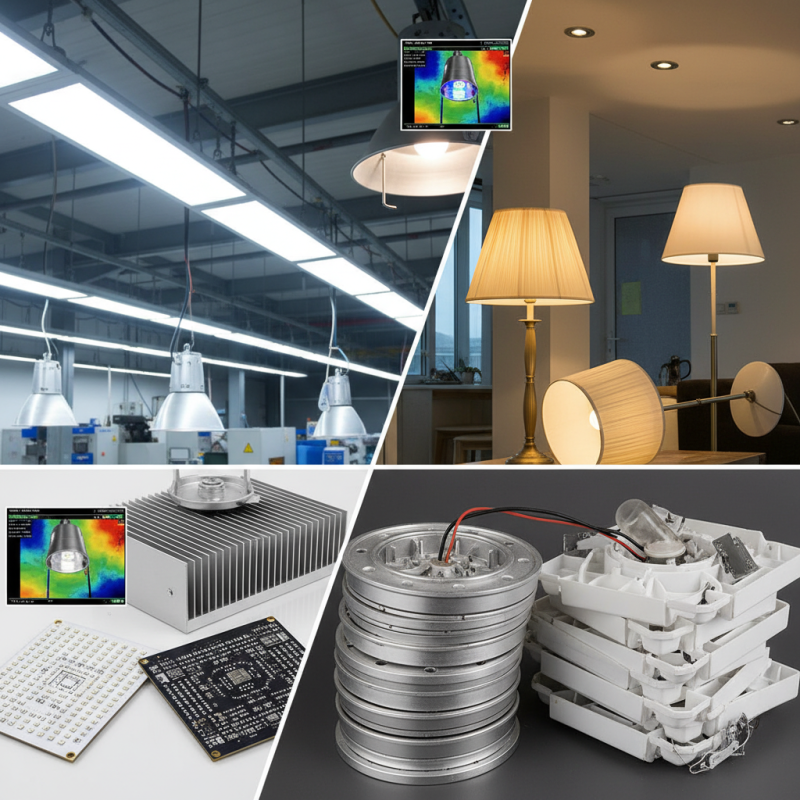
The lifespan of indoor and industrial lamps is a significant concern for both consumers and businesses. Understanding what elements decide the service lifespan of indoor and industrial lamps can lead to better purchasing decisions and operational efficiency. Various factors come into play, including the lamp's manufacturing quality, usage conditions, and environmental influences.

High-quality materials typically enhance durability. However, not all manufacturers prioritize this. Many lamps may fail unexpectedly, leading to increased replacement costs. For instance, lamps exposed to extreme temperatures may burn out faster than those in stable environments.

Moreover, the design of the lamp affects its lifespan. Are the LED chips correctly aligned? Is the heat dissipation effective? These details matter. Regular maintenance practices also play a crucial role. Ignoring accumulated dust can reduce luminosity and increase energy consumption. Ultimately, evaluating these aspects helps determine which lamps provide the best longevity and reliability.

What Factors Determine the Lifespan of Indoor and Industrial Lamps?

Factors Affecting Lamp Lifespan: A Comprehensive Overview

The lifespan of indoor and industrial lamps is influenced by several key factors. One significant aspect is the type of bulb. Incandescent bulbs generally have shorter lifespans than LED or fluorescent options. Environment also plays a crucial role. Humidity, temperature, and dust accumulation can all negatively affect lamp durability.

Maintenance is another crucial factor. Regular cleaning can prolong a lamp's life. Remember to check for any signs of wear. It might be worth noting that overly high wattage can cause fixtures to overheat. This is a common mistake.

**Tips:** Always use appropriate fixtures for the lamp type. Consider energy-efficient options for longevity. Avoid placing lamps in high-moisture areas. Every small adjustment can make a significant difference over time.

What Factors Determine the Lifespan of Indoor and Industrial Lamps?

Factor Description Impact on Lifespan
Operating Temperature The ambient temperature around the lamp during operation. High temperatures can shorten lifespan significantly.
Voltage Fluctuations Variations in the electrical supply voltage. Consistent over or under-voltage can decrease lifespan.
Type of Lamp Different technologies (incandescent, LED, fluorescent, etc.). LEDs typically last longer than incandescent or fluorescent lamps.
Frequency of Usage How often and how long lamps are turned on. Frequent on/off cycles can reduce lifespan, especially in fluorescents.
Quality of the Lamp Materials and manufacturing quality of the lamp. Higher quality lamps generally last longer.
Environmental Factors Dust, humidity, and exposure to chemicals. Harsh environments can diminish lamp performance and lifespan.

Types of Indoor and Industrial Lamps: A Comparative Analysis

Indoor and industrial lamps come in various types, each designed for specific purposes. Common types include incandescent, fluorescent, LED, and halogen lamps. Incandescent lamps emit warm light but are less energy-efficient. Fluorescent lamps offer better efficiency and a longer lifespan. However, they can flicker and contain harmful substances. LEDs have gained popularity due to their exceptional longevity and low energy consumption. Still, they may produce harsh light for some users.

Industrial lamps are built to withstand harsher conditions. High-intensity discharge lamps provide bright illumination, ideal for large spaces. They are robust but can be expensive to operate. Another option is the vapor lamp, effective in very high or low temperatures. Some of these lamps are prone to failure in extreme environments, highlighting the importance of selecting the right type for each specific setting.

When comparing these lamps, it's crucial to consider not just their lifespan but also their environmental impact. Energy efficiency and disposal methods can greatly influence overall sustainability. Users often overlook these factors, leading to potentially significant waste and higher costs over time. Understanding the strengths and weaknesses of each type helps to make better choices for both industrial and indoor environments.

Impact of Operating Conditions on Lamp Longevity

Operating conditions significantly impact the longevity of indoor and industrial lamps. Temperature, humidity, and voltage fluctuations play crucial roles in determining how long a lamp will function effectively. For instance, a study by the Lighting Research Center indicated that higher temperatures can decrease lamp life by up to 50%. Lower temperatures, on the other hand, may lead to increased efficiency in some lamp types.

Moreover, consistent voltage supply is essential. Frequent surges or drops can stress the components, resulting in premature failure. A report from the National Electrical Manufacturers Association highlighted that maintaining stable voltage can extend the lifespan of lamps by nearly 20%. Humidity also matters; excessive moisture can lead to corrosion, shortening lamp life. Implementing robust environmental controls can mitigate these issues.

While advancements in lamp technology continue to evolve, these operating conditions must not be overlooked. Engineers must consider these factors during installation. Regular maintenance can also play a role in enhancing lamp longevity. However, many users underestimate the impact that simple environmental adjustments can make on lamp performance and lifespan. Understanding these variables is crucial for optimizing lighting solutions in various settings.

Importance of Maintenance Practices for Lamp Lifespan

Indoor and industrial lamps can have significantly varied lifespans, influenced largely by maintenance practices. Regular maintenance is vital for maximizing efficiency and durability. According to industry reports, lamps can last up to 50% longer with proper care. This often includes routine inspections, cleaning, and timely replacements of components.

Cleaning fixtures and replacing worn-out parts can be simple yet effective. Dust buildup can reduce light output and elevate operating temperatures. The International Association of Lighting Designers emphasizes a systematic cleaning schedule to mitigate these effects. However, many facilities overlook this crucial aspect, leading to premature failures. Maintenance neglect might seem minor but can lead to costly replacements.

Additionally, the type of environment affects lamp longevity. For instance, harsh industrial conditions can wear down lamps faster. Variable temperature and humidity levels can also play a role. Regular assessments can identify any adverse conditions early on. Yet, many do not conduct thorough environmental checks, resulting in missed opportunities for extending lamp life. Thus, a proactive maintenance approach is essential.

Technological Advancements in Lamp Design and Life Expectancy

Technological advancements in lamp design have significantly influenced their life expectancy. Innovations in LED technology have revolutionized lighting. These bulbs consume less energy and last longer than traditional incandescent lamps. The lifespan of LED lamps can reach up to 25,000 hours, while incandescent bulbs typically last only around 1,000 hours. This stark contrast illustrates how design improvements can enhance efficiency and durability.

Materials used in lamp manufacturing also play a crucial role. High-quality components reduce wear and tear. For instance, advanced semiconductor materials improve thermal management in LEDs. However, even with improvements, some designs may struggle with overheating. It’s an ongoing challenge for manufacturers to find the perfect balance between brightness and heat production. Regular maintenance is vital; dirt and dust can diminish lamp performance.

Consumer awareness affects the success of modern designs. Many users still choose outdated bulbs due to familiarity. This is an area where education is needed. Understanding the benefits of newer technologies could lead to better choices. Ultimately, while lamps have evolved, there's still room for improvement in design and user acceptance. Manufacturers must continue to prioritize reliability and energy efficiency to meet growing demands.

FAQS

: What are the common types of indoor lamps?

: Common types include incandescent, fluorescent, LED, and halogen lamps. Each serves different purposes and has unique features.

Why are incandescent lamps less popular now?

Incandescent lamps emit warm light but are not energy-efficient. They often cost more in electricity over time.

What are the advantages of LED lamps?

LED lamps last up to 25,000 hours and consume less energy. However, they can produce harsh light for some users.

How do fluorescent lamps compare to LED lamps?

Fluorescent lamps are more efficient than incandescent, but they can flicker and contain harmful substances.

What should I consider when choosing industrial lamps?

Consider durability, brightness, and energy efficiency. Some lamps may fail in extreme environments, affecting performance.

How can materials affect lamp performance?

High-quality materials improve durability and thermal management. Poor components may cause overheating and reduce lifespan.

Why is consumer awareness important for lamp choices?

Many users stick to old bulbs out of habit. Educating consumers about new technologies can encourage better choices.

What maintenance is required for lamps?

Regular cleaning is essential. Dust and dirt can diminish performance and shorten lifespan.

How does energy efficiency impact sustainability?

Overlooking energy efficiency can lead to significant waste and higher costs. Sustainable choices are often ignored by consumers.

What ongoing challenges do lamp manufacturers face?

Balancing brightness and heat production remains a challenge. Design improvements are still needed for better user acceptance.

Conclusion

The article "What Factors Determine the Lifespan of Indoor and Industrial Lamps?" provides a thorough examination of various elements influencing lamp longevity. It addresses the key factors affecting lamp lifespan, such as the type of lamp used, and conducts a comparative analysis between different indoor and industrial lighting solutions. The discussion highlights how operating conditions, including temperature and usage patterns, significantly impact lamp longevity.

Furthermore, the article emphasizes the importance of maintenance practices in extending the service life of lamps. Regular upkeep can prevent premature failures, thereby ensuring optimal performance. The piece also delves into recent technological advancements in lamp design, which promise to enhance life expectancy. Ultimately, understanding what elements decide the service lifespan of indoor and industrial lamps is crucial for maximizing efficiency and minimizing replacement costs.

Charlotte

Charlotte

Charlotte is a seasoned marketing professional with a deep understanding of the company's portfolio and a passion for elevating its presence in the market. With a keen eye for detail and a commitment to excellence, she ensures that our professional blog is regularly updated with insightful articles......