Ledlot Lighting
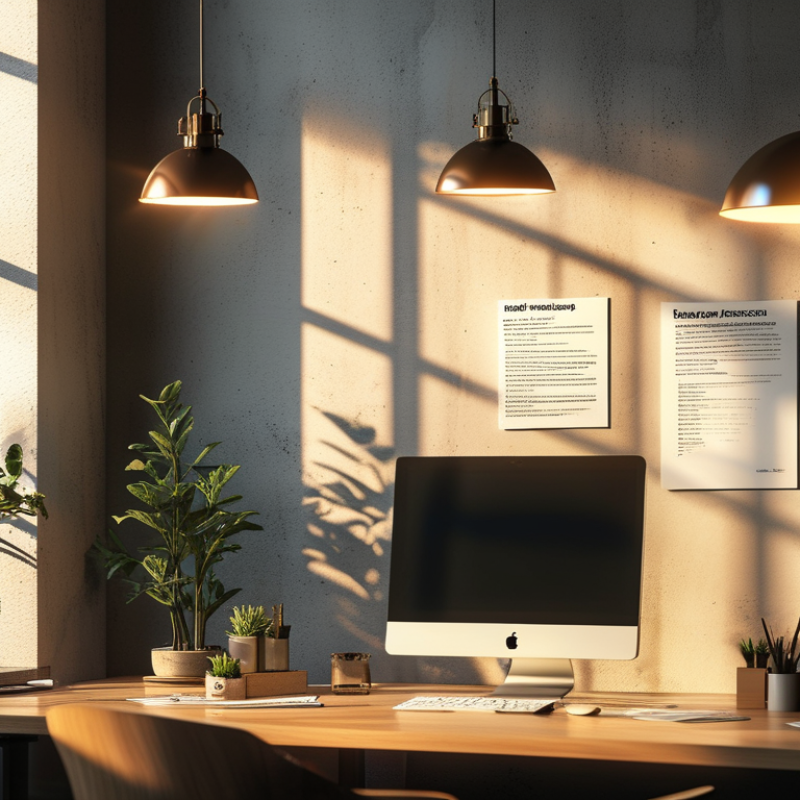
Selecting the right lighting can transform your office environment. Effective illumination influences productivity and employee well-being. When deciding how to choose suitable anti-glare lighting for office interior decoration, various factors must be considered. Glare can lead to eye strain and discomfort, making it essential to understand different lighting options.
It's important to evaluate your office layout and design elements. The color of walls and surfaces can affect light distribution. Consider how natural light interacts with artificial sources throughout the day. Reflective surfaces may require specific lighting solutions to combat glare effectively.
Not all anti-glare lighting options will suit every space. Each office is unique, so it’s useful to experiment with different fixtures and placements. Take time to observe how light behaves in your setting. Investing in quality anti-glare solutions can be a game-changer, but ensure the choices align with your specific needs and aesthetics. This trial-and-error process may unveil challenges, as not every solution works perfectly for every workspace.
In today's fast-paced work environments, lighting plays a critical role. Anti-glare lighting is essential for reducing eye strain, improving focus, and enhancing productivity. Studies show that nearly 70% of employees experience discomfort from poor lighting conditions. This often leads to a decline in work performance.
A report from the International Ergonomics Association highlights that effective office lighting can enhance worker efficiency by up to 20%. Anti-glare fixtures help diffuse harsh light, creating a softer ambience. This assists in minimizing glare on screens while contributing to a more comfortable workspace.
Employers must recognize the hidden costs associated with inadequate lighting. The American Optometric Association estimates that poor lighting contributes to a significant increase in eye-related issues. Addressing this can lead to decreased absenteeism and higher staff morale. However, many companies overlook this vital aspect, resulting in preventable discomfort. Investing in quality anti-glare lighting is not merely a choice; it is a necessity for fostering a productive work environment.
This chart illustrates the various impacts of anti-glare lighting in office environments, highlighting how it affects employee satisfaction, reduces eye strain, increases productivity, and contributes to energy efficiency. As such, choosing the right anti-glare lighting is critical for creating an optimal workspace.
When evaluating different types of anti-glare lighting options, consider the light distribution. Uniform lighting minimizes harsh shadows. Look for fixtures that provide diffuse light. These prevent direct glare from bright sources. LEDs with frosted covers can offer a soft glow, reducing eye strain.
Next, think about the color temperature. Warmer light tends to reduce glare. It creates a comfortable workspace. A temperature between 3000K and 4000K is ideal for offices. This warmth aids in productivity and reduces fatigue. Avoid overly cool lights, as they can feel harsh.
Consider individual needs too. Some employees may prefer brighter light, while others thrive in softer settings. Personal preferences can greatly impact comfort. Pay attention to how different lights affect team mood and focus. An ideal solution might include adjustable fixtures. This allows each person to find their perfect setting. Reflecting on employee feedback can guide light choices.
Choosing the right brightness and color temperature for office lighting is essential for comfort and productivity. Brightness measured in lumens should be adequate to avoid eye strain. A workspace that is too dim can lead to fatigue, while overly bright lights may cause discomfort. Aim for a balanced level of brightness that suits the specific tasks performed in the office.
Color temperature plays a critical role in setting the mood. Warmer tones, around 2700K to 3000K, create a cozy atmosphere. In contrast, cooler tones between 4000K and 5000K are more suitable for focused work and can enhance alertness. It's worth testing different temperatures to see how they feel in your space. Personal preferences may vary, and not every lighting option will be perfect.
Evaluating your lighting setup can be an ongoing process. You may notice that certain areas of the office feel more productive or comfortable than others. It's important to remain open to adjustments. Regular feedback from team members can guide changes in lighting strategy. Emphasizing both brightness and color temperature can yield a more effective work environment.
When designing an office space, lighting is crucial.
Anti-glare lighting reduces eye strain and creates a comfortable environment.
Consider the layout of your office carefully. The arrangement of desks, meeting rooms, and windows
plays a significant role in how light interacts with workspaces.
Placement is key. If desks face windows, consider adjustable shades. They can help control
natural light throughout the day. Place lamps strategically to avoid direct glare on screens.
This reduces distractions and enhances productivity. Mixing ambient and task lighting is effective.
Use overhead lights for general illumination, supplemented by desk lamps for specific tasks.
Tips for selecting anti-glare lighting:
Choose fixtures with diffusers to soften light. This helps distribute it evenly. Brightness should be adjustable,
allowing employees to customize their workspace. Test different light temperatures. Warmer tones can create
a cozy atmosphere, while cooler tones promote alertness. Remember to assess any reflective surfaces locally.
These can amplify glare, affecting overall comfort. Balancing light and design can lead to an inviting office
that fosters focus and creativity.
Installing anti-glare lighting in your office can significantly enhance productivity. Poor lighting can lead to eye strain and fatigue, affecting employee performance. A study by the American Society of Interior Designers reported that proper lighting can improve work quality by up to 20%. Here, we provide practical tips for effective installation and maintenance.
When installing anti-glare lighting, consider the placement of fixtures. Position them to minimize direct glare. Indirect lighting sources, such as wall washes or ceiling fixtures, can help achieve this. The type of bulbs used also matters. Energy-efficient LED lights often provide a softer light that reduces glare compared to traditional bulbs. Aim for a color temperature between 4000K and 5000K for a balanced feel.
Regular maintenance is essential. Dust and dirt can accumulate on fixtures, diminishing their effectiveness. Schedule routine checks and clean the fixtures to maintain optimal performance. Encouraging employees to provide feedback on the lighting conditions can help identify any issues early. Remember, everyone’s preference can vary. Continuous evaluation ensures that the lighting remains conducive to productivity and comfort.
| Aspect | Details |
|---|---|
| Types of Anti Glare Lighting | LED, Fluorescent, Halogen |
| Color Temperature | Warm White (3000K), Cool White (4000K), Daylight (5000K) |
| Brightness Level | Measured in Lumens, Ideal range 300-500 Lumens |
| Installation Tips | Position lights to minimize glare, Use diffusers or shades |
| Maintenance Tips | Regular cleaning of fixtures, Check for flickering or dimming |
| Placement Considerations | Avoid direct overhead lighting, Use indirect lighting when possible |
| Employee Comfort | Adjust light levels according to tasks, Ensure even distribution |
: Light distribution is key. Uniform lighting minimizes harsh shadows, making the space more comfortable.
Warmer light reduces glare and creates a cozy workspace. A temperature between 3000K and 4000K is best for offices.
Different individuals have varying needs. Some may like bright light while others prefer softer options.
Aim for balanced brightness to avoid eye strain. Too dim or too bright can lead to fatigue and discomfort.
Regularly evaluate lighting effectiveness. Employee feedback can guide necessary adjustments to enhance productivity.
The arrangement of desks and windows affects light interaction. Placement is crucial to reduce glare and enhance comfort.
Use adjustable shades on windows. They help manage light levels throughout the day for better comfort.
Choose fixtures with diffusers. This helps evenly distribute light and soften glare in workspaces.
Combining ambient and task lighting creates a well-illuminated space. Overhead lights paired with desk lamps can enhance focus.
Testing helps determine what feels best in the space. Warmer tones create comfort, while cooler tones enhance alertness.
Choosing suitable anti-glare lighting for office interior decoration is essential for creating a comfortable and productive work environment. Understanding the importance of this type of lighting helps in reducing eye strain and enhancing overall employee well-being. When evaluating different anti-glare lighting options, it is crucial to consider various factors, including brightness and color temperature, to ensure optimal illumination in your workspace.
Additionally, the layout and design of your office space play a significant role in determining the best lighting solutions. Proper installation and regular maintenance of anti-glare lighting are also vital for long-term effectiveness. By following these guidelines, you can effectively enhance your office interior while promoting a healthier and more efficient workplace.