Ledlot Lighting
Choosing the right light color temperature for various environments is essential. The interplay between light and space greatly influences mood and productivity. How to match light color temperature with different usage environments becomes crucial for homeowners and businesses alike.
In residential settings, warm light can create a cozy atmosphere. Conversely, cooler light is beneficial in workspaces for increased focus. Think about a home office versus a living room. The lighting needs differ significantly. Public spaces, like restaurants or galleries, require careful consideration to enhance experiences.
Light color temperature affects more than aesthetics; it impacts well-being. Experimentation with different temperatures often reveals unexpected results. Not every environment will require a one-size-fits-all approach. Reflecting on your choices enables better outcomes and fosters improvement.
Choosing the right light color temperature is vital. Different environments require specific lighting to create the desired atmosphere. Light color temperature, measured in Kelvin (K), influences mood and functionality. Warmer temperatures, like 2700K, promote relaxation, making them perfect for living rooms. Cooler temperatures, around 5000K, enhance focus, ideal for offices.
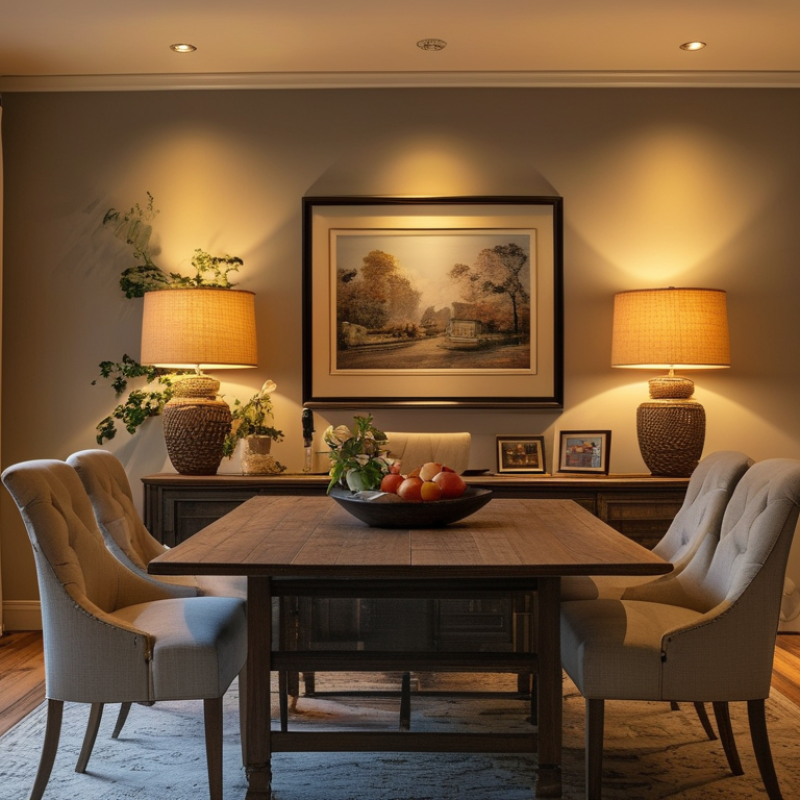
Tips: Consider the activities in a space. For reading, opt for a higher color temperature to reduce eye strain. In contrast, use warmer tones in dining areas to foster a cozy ambiance. Remember, personal preferences play a significant role in your choice.
Lighting can evoke memories or emotions. Have you considered how a stark white light might feel in your bedroom? This could cause discomfort instead of restfulness. Explore how different temperatures affect your environment. Adjusting light can transform a space completely. Finding the perfect balance is more of an art than a science. Don't hesitate to experiment with different settings until you find what suits you best.
Color temperature profoundly influences our mood and productivity. Studies show that warmer light, around 2700K, promotes relaxation. This can be beneficial in residential settings or cafes. In contrast, cooler light around 5000K enhances alertness and focus, making it ideal for office environments. Research from the Lighting Research Center highlights that optimal color temperatures can enhance task performance by up to 23%.
In everyday settings, people may overlook the psychological effects of light. For instance, incandescent bulbs might feel cozy but can hinder productivity. Conversely, blue-enriched light can elevate energy levels. It’s crucial to reflect on how we manage lighting in our spaces.
Interestingly, personal preferences also play a role. Some individuals thrive in warm lighting, while others favor cooler tones. According to a report by the International Journal of Environmental Research, lighting preferences vary significantly across cultures and personal experiences. This variability prompts us to assess how lighting choices impact our daily activities.
When selecting light color temperatures for different rooms, consider their functions. For living areas, warmer tones (2700K-3000K) create a cozy atmosphere. These lights are excellent for relaxation and socializing. A soft glow can enhance comfort, making conversations more inviting.
In kitchens and workspaces, opt for cooler shades (4000K-5000K). These temperatures mimic daylight and boost focus. Bright white light increases visibility, assisting tasks and meal preparation. Too stark a light might feel harsh, so balance is key.
Bedrooms require a softer approach. Warmer lights promote relaxation and better sleep. However, avoid too dim a setting; it can make the room feel uninviting. The right balance is essential. Reflecting on the purpose of each room aids in making informed decisions about lighting.
Choosing the right light color temperature sets the mood in your home or office. For a cozy atmosphere, consider warmer temperatures around 2700K to 3000K. This range evokes a sense of comfort and relaxation, perfect for living rooms and bedrooms. Conversely, cooler temperatures, like 4000K to 5000K, promote alertness and clarity. This makes them suitable for workspaces and kitchens.
Research indicates that lighting impacts productivity and well-being. A study from the University of Oxford found that well-optimized lighting can boost mood by 20%.
Tips: Use soft white bulbs (2700K-3000K) in spaces where unwinding is key. In contrast, opt for bright white or daylight bulbs (5000K) to enhance focus during work hours. Be cautious with extremes: overly warm lights can lead to lethargy, while very cool lights might cause eye strain. Balance is essential for optimal environments.
Understanding the interplay between color temperatures and your activities can guide your choices. It’s about creating the right vibe while considering the impact on your daily life. Regularly reevaluate your lighting choices to ensure they meet your evolving needs.
Choosing the right color temperature for lighting can be a daunting task. Many people mistakenly believe that cooler temperatures are always better for productivity. In reality, this isn't always the case. A study published by the Lighting Research Center indicates that warmer light (around 2700K) promotes a calm atmosphere, suitable for living rooms and bedrooms. Cool light (5000K and above), while good for task-oriented environments like offices, can create feelings of stress if overused.
Another common error is neglecting the impact of natural light. Rooms filled with sunlight require different artificial lighting than dim, windowless areas. A survey by the American Society of Interior Designers found that 60% of designers recommend that lighting should complement natural light sources. This means matching your bulbs to ambient daylight during the day and using warmer tones in the evening for a tranquil setting.
Lastly, many fail to consider the human factor. Color perception varies by age and personal experience. What seems bright and inviting to one person may feel harsh to another. The International Association of Lighting Designers points out that individual preferences should guide decisions, emphasizing the importance of testing various color temperatures in your specific environment. Understanding these aspects can greatly enhance your lighting choices.
: Warmer light around 2700K promotes relaxation, while cooler light around 5000K enhances alertness.
Cooler temperatures, like 4000K to 5000K, are suitable to promote clarity and focus.
Yes, optimal lighting can enhance task performance by up to 23%, according to studies.
Warmer temperatures, around 2700K to 3000K, create a cozy atmosphere perfect for living rooms.
Yes, individual preferences vary greatly; some prefer warm lighting, while others like cooler tones.
Consider the mood needed; use soft white bulbs for relaxation and bright white for focus.
Overly warm lights may cause lethargy, while very cool lights can lead to eye strain.
Regularly reflect on how your lighting impacts your mood and productivity for adjustments.
This article serves as a comprehensive guide on how to match light color temperature with different usage environments. It begins by explaining the concept of light color temperature and its significance in creating the desired ambiance in various settings. Understanding how different temperatures can affect mood and productivity is crucial, as warmer lights tend to foster relaxation while cooler lights enhance focus.
Furthermore, the article delves into specific recommendations for matching color temperature to different room functions, offering insights into ideal choices for home and office spaces. It also highlights common mistakes individuals often make when selecting light color temperatures, ensuring readers are well-informed to create effective and harmonious lighting arrangements in their environments. This resource aims to equip readers with the knowledge needed to optimize lighting for any space.